
Plants
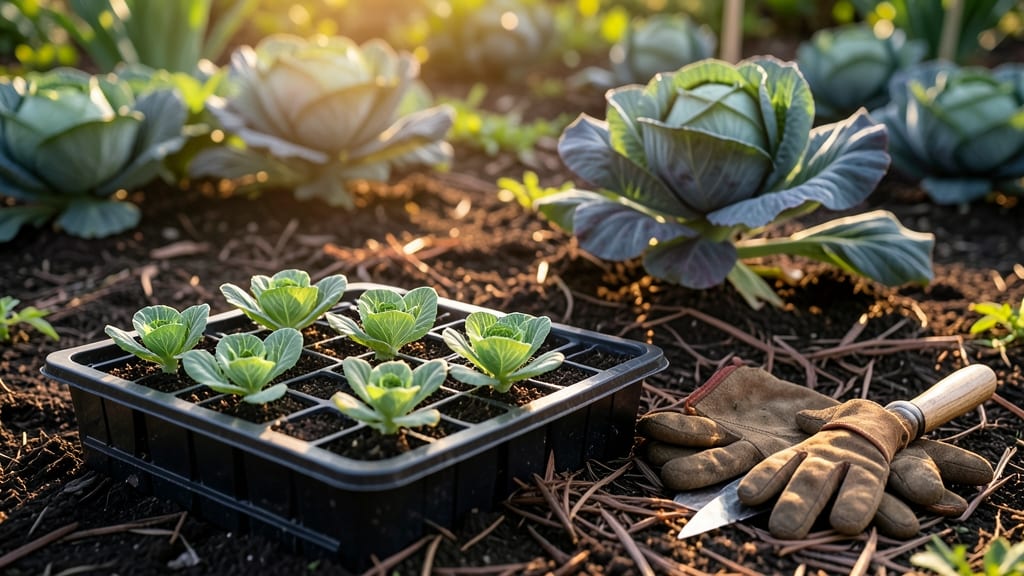
Planting cabbage in Kentucky at the wrong time can turn your garden dreams into a bitter disappointment—especially when heat stress triggers bolting before you even get a chance to harvest.
The key to growing perfect, dense heads lies in understanding your local frost dates and soil temperatures, which vary dramatically between spring and fall plantings.
For Kentucky gardeners in USDA Zone 6a, timing is everything. Spring cabbage thrives when planted between March 15 and April 30, while fall varieties need to hit the ground by August 15 to September 30 to mature before the first frost.
But getting it right isn’t just about dates—it’s also about soil warmth and avoiding those scorching summer days that send cabbage plants into early flowering mode.
I’ve tested the best strategies for Kentucky’s climate, from starting seeds indoors to direct sowing outdoors, and I’ll show you exactly how to adjust your planting schedule based on microclimates—whether you’re in the Bluegrass region or the cooler Appalachian foothills.
Let’s break down the step-by-step approach to ensure your 🥬 stays firm, flavorful, and ready for harvest.
Whether you’re a seasoned gardener or just starting out, these insights will help you skip the guesswork and grow cabbage that’s bolting-free and bountiful. Ready to transform your garden’s potential into reality? Let’s get started.
Kentucky cabbage planting calendar: frost dates & soil temperature guide
Growing cabbage in Kentucky requires precise timing to avoid bolting (premature flowering) or frost damage. Kentucky’s USDA Zones 6a-7a offer two ideal planting windows: spring (March–April) and fall (August–September).
The key? Planting when soil temperatures hover between 45–75°F and aligning with your region’s last frost date (typically March 15) and first frost date (around November 15).
Missed the window? Don’t panic. With row covers or cold frames, you can extend your fall harvest into late October or even early November.
For spring cabbage, start seeds indoors 4–6 weeks before your last frost date or buy transplants ready to go. Fall cabbage needs an earlier start—8–10 weeks before the first frost—to mature before winter sets in.
Here’s the critical timeline for Kentucky gardeners:
| Planting Window | Soil Temp (°F) | Action | Notes |
|---|---|---|---|
| March 15–April 15 | 45–55°F | Direct sow or transplant | Avoid bolting with shade cloth if temps rise |
| April 16–May 15 | 55–70°F | Transplant only | Use heat-tolerant varieties like 'Golden Acre' |
| August 15–September 15 | 50–65°F | Direct sow or transplant | Extend season with row covers for frost protection |
| September 16–October 15 | 45–55°F | Transplant only | Choose cold-hardy varieties like 'January King' |
For spring cabbage, aim to harvest by mid-July before summer heat triggers bolting. Fall cabbage should be ready by October–November, giving you a second harvest before winter. Soil temperature is your best friend here—use a soil thermometer to confirm conditions before planting.
If your soil runs warmer than 75°F, your cabbage will bolt faster than a rabbit in a garden.
Pro tip: Test your soil pH (ideal range: 6.5–7.0compost or aged manure before planting. Cabbage loves rich, well-draining soil, and Kentucky’s clay-heavy soils often need a boost. Mix in sand or peat moss if drainage is poor, and mulch with straw to retain moisture and suppress weeds.
If you’re in southern Kentucky (Zone 7a), you’ve got a slightly longer growing season. Push your fall planting to early October for a late harvest, but monitor frost forecasts closely.
In northern Kentucky (Zone 6a), play it safer with an earlier August planting and use row covers to shield young plants from early frosts.
Remember, cabbage bolting is your worst enemy. To prevent it, avoid planting when daytime temps exceed 75°F for extended periods. If your garden gets hotter than that, opt for shade-tolerant varieties or use shade cloth during peak afternoon heat.
A little extra effort now means crisp, sweet cabbage heads instead of bitter, bolted disappointment.
For direct sowing, scatter seeds ½ inch deep and 1 inch apart, thinning seedlings to 12–18 inches apart at maturity.
If transplanting, harden off seedlings for 7–10 days before moving them outdoors. Water deeply after transplanting to reduce shock, and keep soil consistently moist (but not soggy) throughout the growing season.
Finally, don’t forget to rotate your crops! Cabbage is part of the Brassica family, so avoid planting it in the same spot year after year. Rotate with legumes (like beans or peas) or alliums (like onions or garlic) to keep your soil healthy and pests at bay.
With the right timing and care, your Kentucky garden will reward you with homegrown cabbage heads that put store-bought produce to shame.
How to adjust planting times for Kentucky’s microclimates
Kentucky’s diverse geography—from the Bluegrass Region to the Appalachian foothills—means frost dates and soil warming vary dramatically. In lowland areas like Lexington, you might plant cabbage 2 weeks earlier than in higher elevations like Pikeville.
Microclimates also affect heat stress, so adjust your timing based on your yard’s specific conditions.
If your garden sits in a shaded spot (e.g., near tall trees or buildings), start seeds 4 weeks indoors to compensate for slower growth. Conversely, sunny, exposed areas can handle direct sowing 1-2 weeks later since soil warms faster. Always monitor your local microclimate for accuracy.
Row covers are your best friend for extending Kentucky’s short growing season. Use them to plant 3 weeks earlier in spring or 2 weeks later in fall without risking frost damage. For example, in USDA Zone 6a areas, this can push your fall harvest into early November.
Elevation plays a critical role: every 1,000 feet higher adds 3-5°F cooler temps. In mountainous regions, plant cold-hardy varieties like ‘January King’ and adjust your timeline by 10-14 days earlier than flatland recommendations.
For heat-sensitive varieties like ‘Golden Acre’, time your fall planting to finish heads before September 15—after that, Kentucky’s summer heat triggers bolting. Use shade cloth (30-50%) during peak afternoon sun to buy 2-3 extra weeks of growing time.
Always check your local Cooperative Extension Service for last-frost updates, as Kentucky’s climate shifts yearly. A 5-day forecast of 45°F+ soil temps is your green light to plant—don’t wait for the calendar!