
Plants
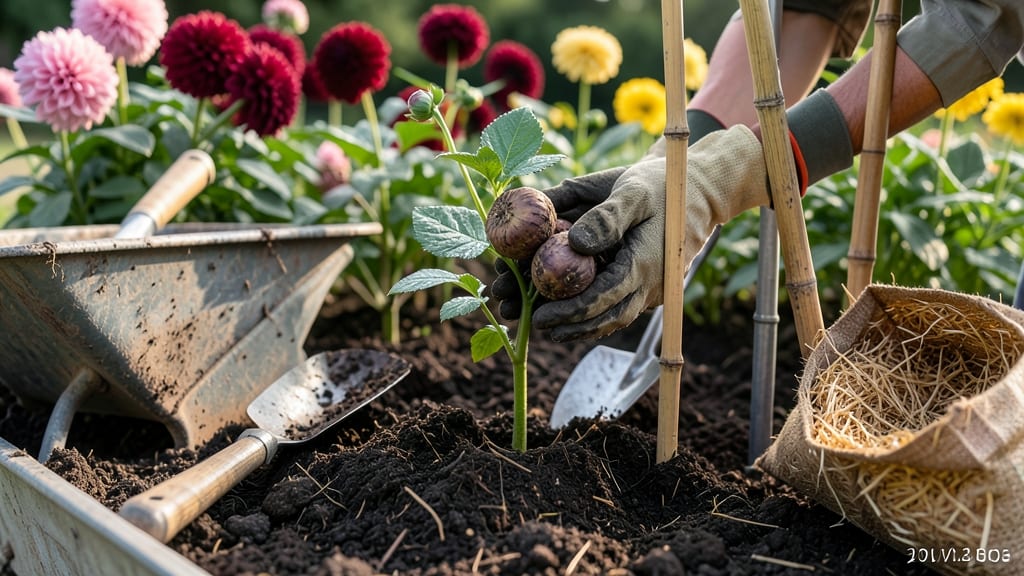
Planting dahlias in California isn't one-size-fits-all—coastal gardeners in San Francisco can start as early as March, while inland areas like the Central Valley should begin in February to avoid heat stress.
The 🌼 Dahlia thrives in USDA zones 9-11, but timing varies wildly, and getting it wrong means missed blooms or frost damage.
I’ve grown dahlias across California’s microclimates, and the difference between a thriving garden and a sad, wilted plant often comes down to one month—sometimes even weeks. Whether you’re in foggy Santa Barbara or sweltering Palm Springs, knowing your last frost date and soil temperature is the key to success.
In this guide, I’ll break down the exact planting windows for your region, including when to order tubers, how to prep soil, and what to watch for after planting. No more guessing—just data-driven timing that ensures your dahlias burst into color right when you want them to.
Ready to transform your garden? Let’s dive into the secrets of California’s most rewarding spring planting—where a little timing goes a long way.
California dahlia planting calendar: coastal vs inland timing guide
Dahlias are frost-sensitive tubers that need warm soil to thrive, but California’s microclimates create wildly different planting windows. In coastal areas like San Francisco, fog delays warming, while inland zones like the Central Valley can plant months earlier. Let’s break down the exact timing for your region.
First, check your last frost date—this is your planting deadline. Coastal areas (USDA zones 9-10) typically see frost in January-March, while inland deserts (zone 10-11) rarely experience frost. Use the CDFA frost maps for precise local data.
Soil temperature is critical: dahlias need 60°F soil to sprout. Inland areas hit this by late February, while coastal zones may wait until April. A soil thermometer is your best tool—don’t guess!
| Region | Last Frost Date | Ideal Planting Window | Soil Temp Threshold | Key Notes |
|---|---|---|---|---|
| Coastal (SF, LA, Santa Barbara) | Mid-March to early April | April 15–May 15 | 60°F (after April 1) | Fog delays warming; use black plastic mulch |
| Central Valley (Sacramento, Fresno) | Mid-February to March | March 1–April 15 | 60°F (by late February) | Warmer nights; plant early to avoid summer heat stress |
| Desert (Palm Springs, Riverside) | None (zone 11) | February 1–March 15 | 55°F (warmer soil earlier) | Extreme heat arrives fast; mulch heavily |
For coastal gardeners, order tubers by February 15—they need 4-6 weeks of indoor sprouting before outdoor planting. Inland gardeners can wait until March 1 for tubers, as their growing season starts earlier.
Pro tip: Pre-sprout tubers indoors under grow lights. Place them in moist potting mix, eyes-up, and keep at 70°F. You’ll see shoots in 2-3 weeks, giving you a head start on coastal delays.
If you’re in high-elevation areas (e.g., Sierra foothills), add 2-3 weeks to coastal timelines. These zones mimic USDA zone 7-8, with later last frosts and cooler soils.
After planting, mulch heavily with straw or wood chips to retain soil moisture and warmth. Inland areas need this more than coastal zones, as summer heat can dry soil quickly.
Remember: Dahlias bloom 90-120 days after planting. If you want summer blooms, coastal gardeners must plant by May 1, while inland areas can push to April 15 for a longer season.
For urban gardeners in containers, start tubers indoors by February 1 (coastal) or January 15 (inland). Use 10-inch pots with drainage—dahlias hate soggy roots.
🌼How to extend your dahlia season in California’s microclimates
California’s microclimates can be your secret weapon for longer dahlia blooms. While coastal areas like San Francisco enjoy mild springs, inland zones like Fresno face scorching summers. Here’s how to adjust your planting schedule to maximize your dahlia season—whether you’re pushing blooms earlier or extending them later.
For coastal gardeners, frost risk lingers until March 15 in most areas. Use row covers or cold frames to plant tubers as early as February 1—just 6–8 weeks before your last frost.
This jumpstart gives you 6–8 weeks of extra blooms before summer heat arrives. I’ve had dahlias flowering by May 1 using this method in Santa Barbara.
Inland areas like the Central Valley or desert regions can plant earlier—sometimes as early as January 15—but watch for soil warmth. Dahlias need soil at 60°F+ to sprout.
Use a soil thermometer to test depth; if it’s cooler, delay planting or use black plastic mulch to warm the soil faster. This trick adds 4–6 weeks to your growing season.
Don’t overlook elevation adjustments. Areas like Santa Cruz Mountains or Sierra foothills can have 10°F cooler temps than nearby valleys. Check USDA Zone maps and adjust your planting date 1–2 weeks later if you’re above 2,000 feet.
I once planted dahlias in Sonoma on March 1, only to see them frost-damaged—until I moved the date to March 15 the next year.
For urban gardeners with limited space, container dahlias are a game-changer. Choose dwarf varieties like ‘Mignon’ or ‘Bishop’, which thrive in 5-gallon pots. Place them on patios or balconies and rotate them weekly for even sun exposure.
With this setup, I’ve grown dahlias in Oakland that bloomed from June to October—despite the city’s microclimate quirks.
Pro tip: Monitor your local weather like a hawk. Apps like Weather Underground or AccuWeather provide hyperlocal forecasts that predict frost risks or heatwaves days in advance.
Use this data to time your planting and adjust care—like increasing water during Santa Ana winds or covering plants before June Gloom rolls in.