
Plants
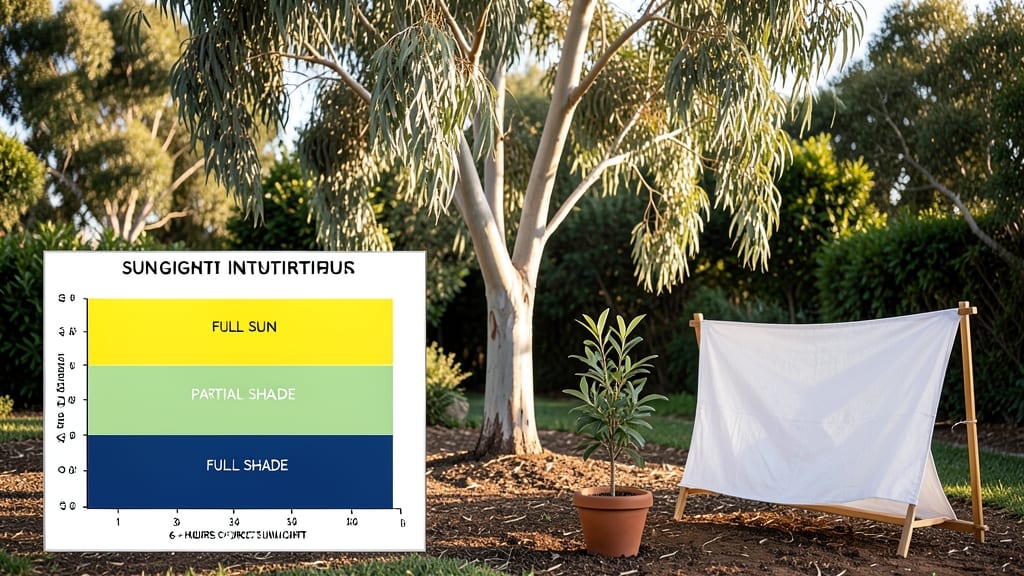
To keep your eucalyptus plant thriving, you’ll need to master its light needs—because too little sun and it’ll stretch weakly, while too much can scorch its delicate leaves.
This iconic 🌳 tree demands bright, direct sunlight for at least 6-8 hours daily, but knowing how to adapt that rule for your climate or indoor setup makes all the difference.
Outdoor eucalyptus trees in USDA Zone 6a love basking in full sun, especially when planted in spring after the last frost. But what if your yard is shadier, or you’re growing one in a pot?
The key is balancing intensity—think dappled light or gradual sun exposure for younger plants to avoid shock.
Indoor growers face a bigger challenge: most homes can’t replicate outdoor sunlight conditions. That’s why I’ll share my top tricks for positioning your eucalyptus near south-facing windows or using grow lights to mimic natural light cycles—without frying its leaves.
Whether you’re dealing with leggy stems or crispy edges, I’ll help you diagnose the signs of poor lighting and fix them fast. Let’s get your eucalyptus the perfect glow for healthy, vibrant growth—no guesswork required.
 Best Window Placement
Ideal sunlight requirements for eucalyptus trees: full sun vs. partial shade
Eucalyptus trees thrive in bright, direct sunlight, but their exact needs vary by species. Most varieties—like the popular Eucalyptus globulus—crave 6 to 8 hours of full sun daily to maintain their signature silvery-blue foliage and robust growth.
Without enough light, these trees become leggy, with sparse leaves and weak stems. Let’s break down the sunlight spectrum for eucalyptus success, from full sun lovers to those that tolerate partial shade.
Native to Australia’s sun-drenched landscapes, eucalyptus trees evolved to handle intense sunlight. However, not all species are equal. For example, Eucalyptus cinerea (argentea) can tolerate morning sun and afternoon shade, making it slightly more adaptable than others.
Always check your specific variety’s needs—some dwarf types may need slightly less direct light to prevent leaf scorch. Understanding these differences ensures your eucalyptus stays healthy and vibrant.
Here’s a quick comparison of eucalyptus sunlight needs by type, including how to spot signs of light deficiency or excessive sun exposure.
| Eucalyptus Type | Daily Sunlight Needs | Partial Shade Tolerance | Signs of Too Little Light |
|---|---|---|---|
| Eucalyptus globulus | 6-8+ hours full sun | Poor; may develop yellow leaves | Leggy stems, sparse foliage |
| Eucalyptus cinerea (argentea) | 5-6 hours full sun | Moderate; handles morning shade | Dull leaves, slower growth |
| Dwarf varieties (e.g., Eucalyptus pauciflora) | 4-6 hours full sun | Better than standard types | Stunted growth, pale leaves |
Seasonal adjustments are key, especially in regions with extreme heat or cold. During summer months, eucalyptus trees may need afternoon shade to prevent leaf burn, particularly in USDA Zones 8-10 where temperatures often exceed 90°F.
In contrast, winter light is less intense, so move potted eucalyptus closer to south-facing windows or supplement with grow lights if indoors. This balance ensures year-round health.
If you’re growing eucalyptus in containers, prioritize a location that gets at least 6 hours of direct sunlight. South or west-facing spots are ideal, but avoid areas with harsh afternoon sun that can scorch leaves.
Rotate pots every few weeks to ensure even growth—eucalyptus trees naturally grow toward the light, which can lead to uneven development if left unchecked.
For outdoor plantings, choose a spot with unobstructed sunlight for the majority of the day. Mature eucalyptus trees can cast dense shade, so avoid planting them too close to other sun-loving plants like lavender or rosemary.
If your yard has partial shade (e.g., under deciduous trees), opt for tolerant varieties like Eucalyptus urnigera, which can handle 3-4 hours of filtered light per day.
Even with the right light, eucalyptus trees need well-draining soil to prevent root rot—a common issue when combined with excessive moisture. Pair full sun with sandy or loamy soil amended with perlite or coarse sand to mimic their native habitat.
This combo ensures roots stay aerated and healthy, even under intense sunlight.
One common misconception is that eucalyptus trees can thrive in low-light conditions. While they’re more adaptable than many plants, insufficient light leads to weak stems, yellowing leaves, and poor aroma production.
If you notice these signs, gradually increase sunlight exposure over 2-3 weeks to avoid shocking the plant. Use a light meter or observe leaf color changes to gauge progress.
In regions with high humidity, like the Southeast U.S., eucalyptus trees may benefit from dappled shade during peak afternoon hours. This prevents leaf scorch while still providing enough light for photosynthesis. Pair this with regular pruning to improve air circulation and reduce humidity stress on the foliage.
For gardeners in cooler climates (e.g., USDA Zones 6-7), extending
How to adjust light conditions for indoor vs. outdoor eucalyptus growth
Growing eucalyptus indoors or in shaded outdoor spaces? You’ll need to mimic their natural love for sunlight—but don’t worry, it’s easier than you think. Eucalyptus thrives in full sun (6-8+ hours daily), but with the right adjustments, you can keep your plant happy even in lower-light conditions.
The key is understanding how to supplement natural light and avoid common pitfalls that stunt growth.
For outdoor eucalyptus in partial shade, focus on placing your tree where it gets at least 4-6 hours of direct sun. Dappled sunlight through trees works, but avoid deep shade—this leads to weak stems and sparse foliage.
If your yard is shady, consider a south-facing corner or a spot near a reflective surface (like a light-colored wall) to bounce extra light onto the leaves.
🌱 Indoor Eucalyptus Light Solutions
- South-facing window: Place your eucalyptus within 1-2 feet of the glass to maximize sunlight exposure. Rotate the pot weekly for even growth.
- Grow lights: Use a full-spectrum LED grow light for 12-14 hours daily. Position it 6-12 inches above the plant and adjust as it grows.
- Reflective surfaces: Place a white or silver tray under the pot to bounce light upward and increase exposure by 20-30%.
- Seasonal adjustments: In winter (lower light), supplement with grow lights. In summer (longer days), ensure the plant isn’t getting too much intense midday sun, which can scorch leaves.
🌿 Outdoor Shade Solutions
- Prune nearby trees: Trim branches to increase sunlight penetration by 30-50% during the growing season.
- Use a movable planter: Place your eucalyptus in a wheelbarrow or pot on casters to rotate it daily for even light exposure.
- Dwarf varieties: Opt for Eucalyptus pauciflora 'Niphophila' (snow gum), which tolerates partial shade better than standard types.
- Mulch for warmth: Apply 2-3 inches of mulch to retain soil warmth and encourage root growth, even in cooler, shadier spots.
If you’re growing eucalyptus in a container indoors, choose a pot with drainage holes and use a well-draining soil mix to prevent root rot from overwatering (a common issue in low-light setups). Monitor leaf color: Yellowing leaves signal too little light, while brown, crispy edges mean too much direct sun.
Adjust gradually—eucalyptus hates sudden light changes, so acclimate over 1-2 weeks.
Pro tip: Rotate your plant every 3-5 days to prevent it from leaning toward the light source. This ensures even growth and a bushier shape, especially for indoor eucalyptus. For outdoor plants, prune leggy branches in early spring to encourage denser foliage and better light absorption.
Remember, eucalyptus is resilient once established, but light is non-negotiable for young plants. If you’re in a high-rise apartment or heavily shaded yard, don’t give up—just get creative with grow lights and strategic placement.
Your eucalyptus will reward you with vibrant leaves and that signature fresh scent! 🌳