
Plants
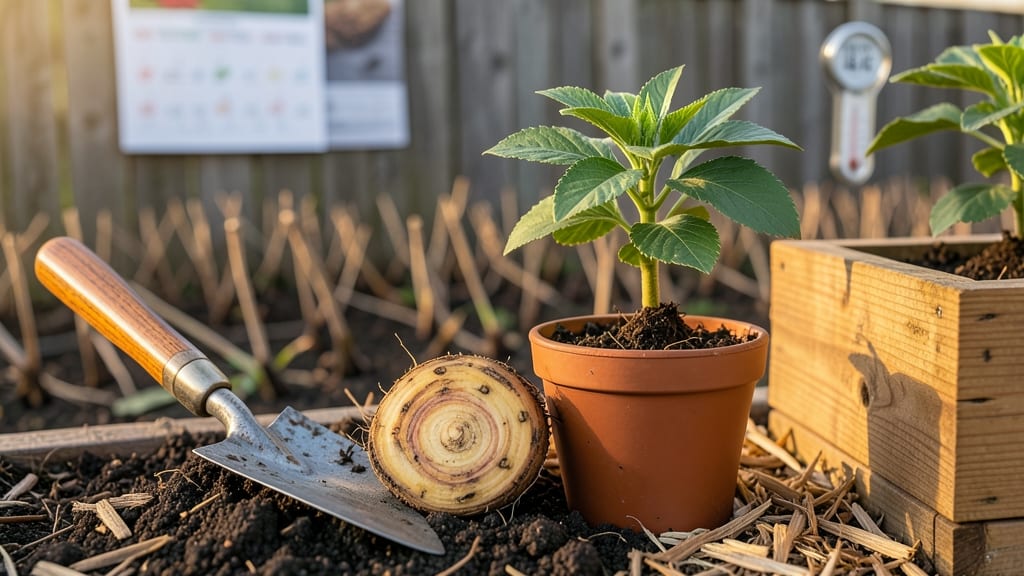
Planting dahlias in Illinois at the wrong time can mean the difference between stunning summer blooms and sad, frost-nipped tubers. With USDA zones 5a-6b and unpredictable spring weather, timing is everything for your 🌼 dahlias to thrive.
If you've ever waited too long and watched your carefully chosen tubers rot in cold soil—or planted too early only to have them freeze—you know how frustrating this can be. The key is knowing your county's last frost date, which can vary by two weeks or more across Illinois.
I'll break down exactly when to plant dahlias in your specific Illinois region, whether to start tubers indoors for a head start, and how to prepare your soil for maximum growth. By following these region-specific guidelines, you'll have dahlias bursting with color from July through October.
Ready to transform your garden? Let's dive into the perfect planting window for your 🌼 dahlias this spring—no more guessing, just gorgeous blooms.
Illinois county-specific dahlias planting dates based on last frost
Getting your dahlias in the ground at the right time in Illinois means the difference between stunning summer blooms and frost-nipped tubers. Since Illinois spans USDA Zones 5a-6b, planting dates vary dramatically from Northern Illinois (like Chicago) to Southern Illinois (near St. Louis).
The key is knowing your last frost date and waiting until soil temperatures stay above 55°F (13°C).
For most Illinois gardeners, this means planting dahlia tubers between mid-April and late May. But don’t just guess—check your local frost-free timeline to avoid planting too early.
In Northern Illinois, where frosts linger into May, wait until after May 15. Meanwhile, Southern Illinois gardeners can plant as early as mid-April in warmer microclimates.
Here’s a quick guide to help you pinpoint the best time for your county:
| Region | Last Frost Date | Planting Window | Soil Temp Threshold |
|---|---|---|---|
| Northern IL (Chicago, Rockford) | Mid-May | Late May - Early June | 55°F (13°C) |
| Central IL (Springfield, Peoria) | Early-Mid May | Late April - Early May | 55°F (13°C) |
| Southern IL (St. Louis, Carbondale) | Early-Mid April | Mid-April - Late April | 50°F (10°C) |
If you’re unsure about your last frost date, use the National Weather Service or local Cooperative Extension Service for precise data. For example, Chicago’s average last frost is May 15, while St. Louis’s is around April 15.
Planting too early in colder zones can shock dahlia tubers, causing rot or stunted growth.
For gardeners in Zone 5a (like Northern Illinois), I recommend starting dahlia tubers indoors in March to give them a head start. Use a grow light or sunny windowsill and transplant outdoors after the last frost. This method extends your blooming season by 3-4 weeks compared to direct planting.
Once you’ve picked your planting window, prepare your soil by amending it with compost and a balanced fertilizer (5-10-10). Dahlias thrive in well-draining soil with a pH between 6.0 and 7.0. Avoid heavy clay soils, which can cause root rot.
Work in a 2-inch layer of compost and mix in 1 cup of bone meal per planting hole for extra phosphorus to support strong roots.
Pro tip: If you’re planting dahlia tubers in containers, choose large pots (at least 12 inches deep) to accommodate their tuberous roots. Use a fast-draining potting mix and place containers in a south-facing spot for maximum sunlight.
Container dahlias often bloom 2-3 weeks earlier than in-ground plants because they warm up faster.
After planting, mulch around the base with 2-3 inches of organic mulch (like straw or shredded leaves) to retain moisture and regulate soil temperature. This is especially important in drier years or if you’re in Zone 6b, where summer heat can dry out the soil quickly.
Mulching also helps prevent soil-borne diseases and keeps weeds at bay.
Finally, mark your calendar for first frost dates in October. In Illinois, this typically ranges from October 15 in the north to November 1 in the south. To extend your dahlias’ season, cut back foliage after the first frost and dig up tubers before hard freezes.
Store them in a cool, dark place (like a basement) with dry peat moss to replant next spring.
Illinois county-specific dahlias planting dates based on last frost
Illinois gardeners know timing is everything—especially when planting dahlias. The last frost date varies dramatically across the state, from mid-April in Southern Illinois to late May in the northernmost counties. This means your dahlia tubers should wait patiently until soil warms to 60°F (15°C) before planting.
For example, Chicago (Cook County) typically sees its last frost around April 20, while Springfield (Sangamon County) averages April 10. In Duluth (Jo Daviess County), gardeners should wait until May 10 to avoid frost damage.
Always check local USDA Plant Hardiness Zone maps (Zones 5a-6b in Illinois) for precision.
| Region | Last Frost | Plant Tubers | Soil Temp |
|---|---|---|---|
| Southern IL (e.g., Carbondale) | April 10-15 | April 20-May 1 | 60°F+ |
| Central IL (e.g., Springfield) | April 15-20 | May 1-10 | 60°F+ |
| Northern IL (e.g., Chicago) | April 20-May 5 | May 10-20 | 60°F+ |
If you're eager to start earlier, consider indoor sprouting in March. Place tubers in a moist potting mix under grow lights until shoots emerge (about 4-6 weeks). Transplant these pre-sprouted tubers outdoors 2-3 weeks before your last frost date for a head start.
For direct planting, wait until the soil temperature consistently stays above 60°F (15°C). Use a soil thermometer to confirm—dahlias despise cold soil. In Northern Illinois, this often means waiting until late May.
Pro tip: Mulch heavily after planting to retain heat and moisture. A 2-3 inch layer of straw or shredded leaves keeps roots warm and protects against late frosts. This is especially critical in Zone 5a, where unexpected chills can still occur.
Once planted, dahlias thrive with full sun (6+ hours daily) and well-draining soil. In Southern Illinois, you might even squeeze in a second planting of short-season varieties by early June for late-summer blooms.