
Plants
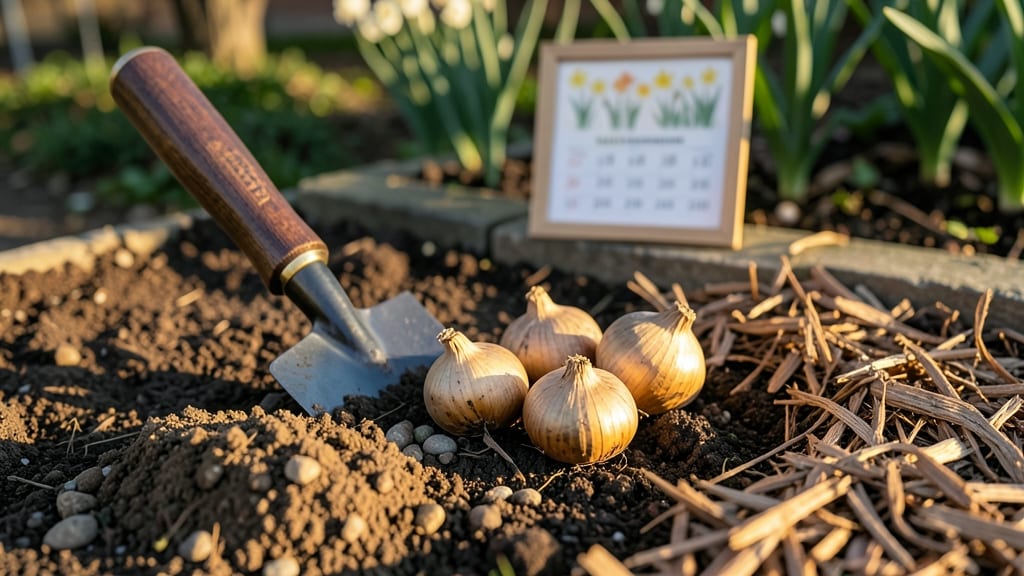
Planting daffodils in New York at the wrong time can mean missing out on their cheerful spring blooms—but timing it right ensures vibrant 🌼 displays year after year.
The key is planting 6–8 weeks before the first frost, typically between October and November, when soil temps drop but the ground stays workable.
New York’s USDA Zones 5a–7b mean chill-hour needs vary slightly by region, but most daffodils thrive with 400–600 hours below 45°F—a perfect match for our winters. Skip the guesswork: use a local frost chart to pinpoint your exact window, whether you’re in upstate’s cooler zones or NYC’s milder microclimates.
Why does timing matter so much? Daffodils need time to root before winter sets in—plant too late, and they’ll struggle to establish. Too early, and they might sprout, only to get fried by a surprise freeze.
I’ll walk you through the exact steps to nail your planting schedule, plus soil prep tricks to set your bulbs up for success.
From choosing the right varieties for your zone to adjusting for early frosts, this guide cuts through the confusion. Let’s get those daffodils in the ground the right way—so you can enjoy months of color without the guesswork.
New York’s best planting windows for daffodils by USDA Zone
New York’s USDA Zones 5a-7b create unique challenges for daffodil planting—too early, and bulbs rot; too late, and they won’t establish before winter. The key is planting 6-8 weeks before the first hard frost, which typically lands in mid-October across most of the state.
For Zone 5a (northwest NY), aim for early October, while Zone 7b (Long Island) gardeners can extend planting into early November.
Soil temperature is your best guide: daffodil bulbs thrive when soil cools to 50-60°F (10-15°C). Use a soil thermometer to check—this usually happens in late September to early October.
If you miss fall, you can plant in early spring (March-April), but blooms may be delayed or less vibrant due to reduced root establishment.
Here’s how to adjust for NY’s microclimates. In Upstate NY (Zones 5-6), where winters are colder, focus on late September to mid-October. For New York City and Long Island (Zone 7a-7b), where mild winters are common, extend planting to mid-October to early November.
Always check your local last frost date—NY’s can vary by 2-3 weeks between regions.
Pro tip: If you’re in a warmer microclimate (like near the Hudson River), opt for early-blooming varieties like ‘Tête-à-Tête’ or ‘Ice Follies’, which tolerate shorter chill periods. These varieties also handle early spring planting better than standard daffodils.
🌼
| USDA Zone | Ideal Planting Window | Soil Temp (°F) | Notes |
|---|---|---|---|
| 5a (Northwest NY) | Late Sept - Mid-Oct | 50-60°F | Cold winters; use hardy varieties |
| 6a (Capital Region) | Mid-Sept - Early Oct | 50-60°F | Moderate winters; standard varieties work |
| 7a (NYC, Hudson Valley) | Late Sept - Late Oct | 50-60°F | Mild winters; extend to early Nov |
| 7b (Long Island) | Mid-Oct - Early Nov | 50-60°F | Warmest zone; early spring planting possible |
For early spring planting (March-April), choose smaller bulbs (size 12 or smaller) and plant them shallowly (4-6 inches deep). This gives them time to establish roots before summer heat sets in.
However, spring-planted daffodils may take 1-2 years to bloom compared to fall-planted bulbs, which often flower the following spring.
NY’s unpredictable weather can throw off timing. If you’re unsure about frost dates, use mulch (3-4 inches of straw or leaves) after planting to insulate bulbs. This is especially critical in Zone 5a, where winter temperatures can drop below 0°F (-18°C).
Mulch also suppresses weeds and retains soil moisture during dry spells.
One common mistake is planting daffodils too deep—this can delay or prevent blooming. Aim for a depth 3x the bulb’s height (e.g., a 2-inch bulb should go 6 inches deep).
Use a bulb planter or trowel to ensure consistent depth, especially in large gardens. Mark planting spots with flags or stakes to avoid disturbing bulbs during winter.
If you’re in a sandy soil region (like parts of Long Island), amend the soil with compost or peat moss to improve moisture retention. In clay-heavy areas (common in Upstate NY), mix in sand or perlite to prevent waterlogging. Well-draining soil is critical—daffodils rot easily in soggy conditions.
🌱
NY chill-hour requirements: how many cold days daffodils need to bloom
Daffodils thrive in New York’s chilly winters, but not all varieties handle our mild winters the same way. Most daffodils need 1,000–1,500 chill hours (temperatures below 45°F) to bloom reliably. In USDA Zones 5-7, this usually happens naturally, but warmer microclimates (like NYC) may need extra care.
For example, Ice Follies (a popular white daffodil) needs 1,200 chill hours, while Tête-à-Tête (a dwarf variety) thrives with just 900 chill hours. If your winter stays above 45°F for too long, bulbs may not bloom—or worse, they’ll rot.
Check your local NOAA chill-hour data to pick the right variety for your area.
| Variety | Chill Hours Needed | Best for NY Zones | Bloom Time |
|---|---|---|---|
| Ice Follies | 1,200–1,500 | 5–7 | Early April |
| Tête-à-Tête | 900–1,200 | 5–6 | Late April |
| Dutch Master | 1,000–1,300 | 6–7 | Mid-April |
To calculate your local chill hours, use the NOAA Climate Data tool and enter your ZIP code. If you’re in a warmer pocket (like Long Island or NYC), opt for low-chill varieties like Minnow or Peeping Tom, which need just 600–900 chill hours.
For colder inland areas (like the Catskills), higher-chill varieties like Thalia (1,500+ hours) will shine.
If your daffodils fail to bloom, it’s often a chill-hour mismatch. Try planting bulbs in shadier spots (like under trees) to extend their cold exposure, or choose varieties bred for shorter winters.
Mulch with straw or leaves in late fall to help insulate bulbs and ensure they get enough cold.
For container gardening, move pots to a garage or unheated shed during mild winters to mimic natural chill cycles. This trick works wonders for balcony gardens in NYC, where winters can be surprisingly warm. Just bring them back to full sun once frost threatens in spring.
Pro tip: Plant multiple varieties with staggered bloom times to enjoy color from April to May. For example, pair early bloomers (like Carlton) with late bloomers (like Salome) for a nonstop show. 🌼