
Plants
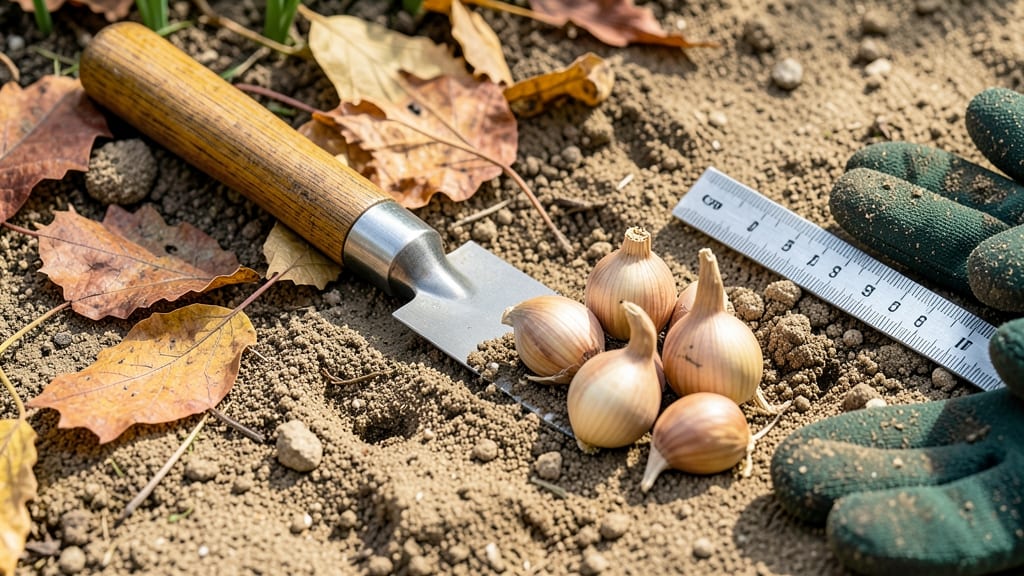
Planting daffodil bulbs in the fall is your golden ticket to a garden bursting with cheerful 🌼 blooms by spring—but get the timing wrong, and you’ll be left with empty spots instead of vibrant color.
The key lies in understanding your local climate, especially if you're in USDA Zone 6a, where frost can arrive earlier than you think.
Most gardeners in this zone should aim to plant between October and November, giving bulbs enough time to root before the ground freezes. Too early, and they might sprout prematurely; too late, and they won’t establish strong roots.
I’ll show you how to nail that perfect window, plus soil prep tricks to set your daffodils up for success.
Don’t worry if you’re new to bulb planting—this guide covers everything from depth and spacing to avoiding common mistakes that kill blooms before they even begin. Whether you’re a seasoned gardener or just starting, these insights will help you maximize your spring display with minimal effort.
Ready to transform your garden? Let’s dive into the exact steps to plant your daffodil bulbs now for a showstopping spring performance.
Best fall planting timeline for daffodil bulbs by US hardiness zones
Timing is everything when planting daffodil bulbs in fall. The goal is to give them 4-6 weeks of root growth before the ground freezes. In most regions, this means planting between mid-September and mid-November. However, your USDA hardiness zone dictates the exact window to ensure success.
If you plant too early, bulbs may sprout and get damaged by frost. Planting too late leaves them vulnerable to winter moisture and freezing before roots establish. Soil temperature is your best guide—aim for 40-50°F at planting depth (6 inches).
This usually aligns with 6-8 weeks before your first frost date.
For gardeners in colder zones (like Zones 3-5), start planting as early as late August to early September. Warmer zones (like Zones 8-10) can wait until November, but avoid planting after the first frost. The key is to balance root growth with winter dormancy needs.
🌱
In Zone 6a (like much of the Midwest), I typically plant my daffodil bulbs in early October. This gives them enough time to root before our first frost around November 1.
If you're unsure about your frost date, check your local Cooperative Extension Service or use a frost date calculator for precise timing.
One trick I use is to plant a few bulbs a week apart. This way, if my timing is off, at least some will still thrive. For example, I might plant half my bulbs in late September and the rest in early October.
This staggered approach reduces risk and ensures blooms across different times in spring.
Pay attention to local microclimates too. Areas near large bodies of water or hills may have different frost dates. If your yard is in a frost pocket, err on the side of planting earlier. Conversely, if you have a warmer microclimate, you can extend your planting window slightly later.
After planting, cover the area with 2-3 inches of mulch to insulate the soil and protect bulbs from temperature swings. This is especially critical in Zones 3-5, where winter temperatures can drop drastically. The mulch also helps retain moisture during dry spells in fall.
Remember, daffodils are hardy and can survive winter, but their root establishment before dormancy is what ensures those vibrant spring blooms. Don’t rush—give them the time they need to settle in before the cold sets.
🌿
Best fall planting timeline for daffodil bulbs by US hardiness zones
Timing your daffodil bulb planting is everything—get it right, and you’ll enjoy vibrant spring blooms that outshine winter’s last chill. The ideal window is 4-6 weeks before the ground freezes, but this varies dramatically by USDA zone.
In colder zones (3-5), aim for late September to early October when soil temps drop to 60°F. Warmer zones (7-10) can plant until mid-December, as frost arrives later.
Soil temperature is your best guide, not just the calendar. Use a soil thermometer to confirm temps are below 60°F—this signals it’s time to plant. In Zone 6a (like my garden!), I plant in mid-October to give roots time to establish before November’s first frost.
Miss this window, and your bulbs may rot or fail to bloom.
Here’s how to adjust for your zone—plus key reminders to avoid common pitfalls:
| USDA Zone | Ideal Planting Window | Soil Temp Goal | Key Reminder |
|---|---|---|---|
| 3-5 | Late September–early October | Below 60°F | Plant early to avoid early freezes |
| 6-7 | Mid-October–November | 50–60°F | Avoid planting after first frost |
| 8-10 | November–mid-December | 45–55°F | Mulch heavily in winter |
Pro tip: If your zone has unpredictable frosts, err on the earlier side. I once planted daffodils in late November in Zone 6a, and they barely survived—next year, I planted by October 15th and saw 3x more blooms. The difference? Root establishment before winter.
For container gardening, plant bulbs in pots by late September (even in warm zones) to mimic ground conditions. Use well-draining soil and keep containers in a shady spot until spring. Containers freeze faster, so act 2 weeks earlier than in-ground planting.
Watch for local frost dates—your city’s average first frost (check the Old Farmer’s Almanac) is your deadline. In Zone 7b, I plant by November 1st, but in Zone 4a, gardeners plant by early October. Adjust based on your microclimate, too—low spots freeze faster!
Remember: Daffodil bulbs need cold to bloom. Plant too late, and they’ll rot; too early, and they may sprout before winter. Strike that balance, and you’ll reward yourself with cheerful spring blooms that say, “I’ve got this!” 🌼