
Plants
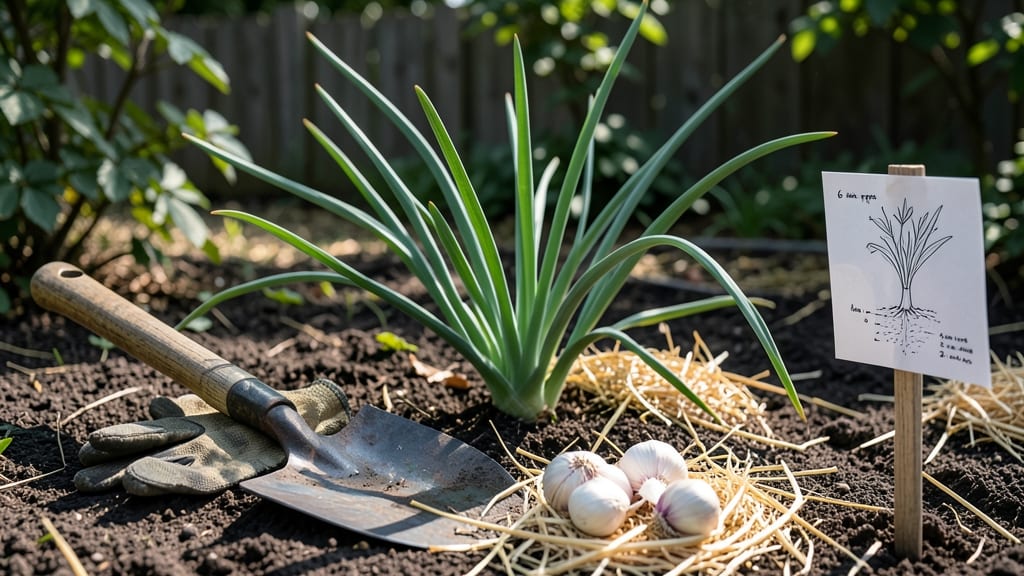
Planting garlic in New York isn’t just about throwing cloves into the soil—it’s about timing them perfectly to beat frost and coax out those bold, flavorful bulbs you crave.
Whether you’re growing hardneck varieties for their sturdy stems or softneck for long storage, getting the schedule right means the difference between a thriving crop and wasted effort.
In New York’s USDA Zones 5-7, where frost can sneak in as early as late September or linger until December, the ideal window for planting 🧄 garlic is narrow but critical: aim for late October to early November.
This timing ensures cloves establish roots before the ground freezes, setting the stage for a robust harvest the following summer.
But here’s the catch: New York’s microclimates—from the chilly Adirondacks to the milder NYC suburbs—can shift planting dates by weeks. Hardneck garlic, which thrives in colder zones, needs a longer chill period, while softneck varieties in Zone 7a might tolerate a slightly later start.
I’ll break down how to adjust your schedule based on your exact location and frost patterns.
Ready to grow garlic that rivals the best from the farmers’ market? Let’s dive into the exact steps—soil prep, spacing, and variety choices—to make your New York garlic harvest the talk of the neighborhood.
New York garlic planting dates by hardneck vs softneck varieties
New York gardeners know timing is everything when planting garlic, especially with hardneck and softneck varieties thriving in different conditions. The key is planting 4-6 weeks before the ground freezes—typically mid-October to November for most of New York.
Hardneck varieties, like Rocky Mountain or German White, need cold winters to form bulbs, while softneck types, such as Silverskin, tolerate milder winters but still benefit from an early start.
New York’s USDA Zones 5-7 create regional differences. In Zone 5a (northern NY), aim for late September to early October planting, while Zone 7a (NYC area) can extend planting until mid-November. The goal is to give garlic roots time to establish before winter dormancy sets in.
Use this comparison table to match your variety with New York’s frost dates and optimize your planting schedule for the best harvest.
Hardneck varieties dominate in New York because they produce larger bulbs and shoot scapes (edible stems) that thrive in colder climates. For example, German White and Purple Stripe are top choices for gardeners in Upstate New York, where winters are harsher.
Softneck varieties, like Artichoke, are better suited for southern NY or urban gardens where winters are milder.
If you’re unsure about your frost dates, check the National Weather Service or your local Cornell Cooperative Extension for updates. They provide last frost date forecasts that help fine-tune your planting schedule.
For instance, in Albany (Zone 5b), the last frost is typically around May 15, but garlic planted in fall will be ready to harvest the following summer regardless of spring frost.
Pro tip: Plant hardneck garlic in well-draining soil with compost added to ensure robust root development over winter. In heavy clay soils common in parts of Western NY, mix in sand or peat moss to prevent waterlogging, which can rot bulbs before harvest.
For gardeners in Zone 7a (e.g., NYC), softneck varieties like California Early are a great choice because they handle the milder winters and still produce long-storage bulbs. However, even in these zones, planting in fall (October-November) yields the largest bulbs compared to spring planting.
Always plant individual cloves (not whole bulbs) with the pointy end up and 1-2 inches deep. Space them 4-6 inches apart in rows 12 inches apart to allow for airflow and reduce fungal diseases like white rot, which can devastate garlic crops in New York’s humid summers.
Remember, garlic planted in fall will overwinter and emerge in spring, while spring-planted garlic grows quickly but produces smaller bulbs. The trade-off?
Spring planting avoids the risk of heaving (bulbs pushing out of frozen soil) in harsh winters, but fall planting gives you a head start on the growing season.
🌱
How to adjust planting timing for New York’s microclimates
New York’s diverse geography—from the Adirondacks to Long Island—means frost dates can vary by weeks even within the same county. Urban areas like New York City often experience heat islands that delay frost, while higher elevations in the Catskills may freeze earlier.
Adjusting your planting schedule based on these microclimates ensures your garlic thrives.
Start by checking your local frost dates—the USDA Plant Hardiness Zone Map is a great starting point, but real-time data from weather stations or local cooperative extensions (like Cornell’s) will give you precision.
For example, Zone 5a areas (like Albany) might need garlic in the ground by October 15th, while Zone 7a (like Brooklyn) could extend planting until November 1st.
A soil thermometer is your best friend for fine-tuning. Aim to plant when soil temps hit 40–50°F—this gives roots time to establish before winter. In urban heat islands, soil may stay warmer longer, so monitor closely to avoid late-season sprouting risks.
Conversely, in rural or mountainous areas, soil cools faster, so plant 2–3 weeks earlier.
Elevation plays a huge role in frost timing. For every 1,000 feet gained in altitude, temps drop 3.5°F. If you’re gardening in the Catskills or Adirondacks, plant garlic 3–4 weeks earlier than coastal areas.
Conversely, Long Island or Hudson Valley gardeners can often push planting into early November without risk.
Don’t overlook the moon’s phases—a waxing moon (when the moon is growing) is traditionally the best time to plant root crops like garlic. Pair this with your local frost date for the perfect window.
For example, if your first frost is October 20th, aim to plant by September 25th–October 5th during a waxing moon phase.
Finally, keep a planting journal to track what works in your specific spot. Note when you planted, your local frost dates, and whether your garlic thrived. Over time, you’ll refine your timing to match your unique microclimate, ensuring consistent, high-quality bulbs year after year.