
Plants
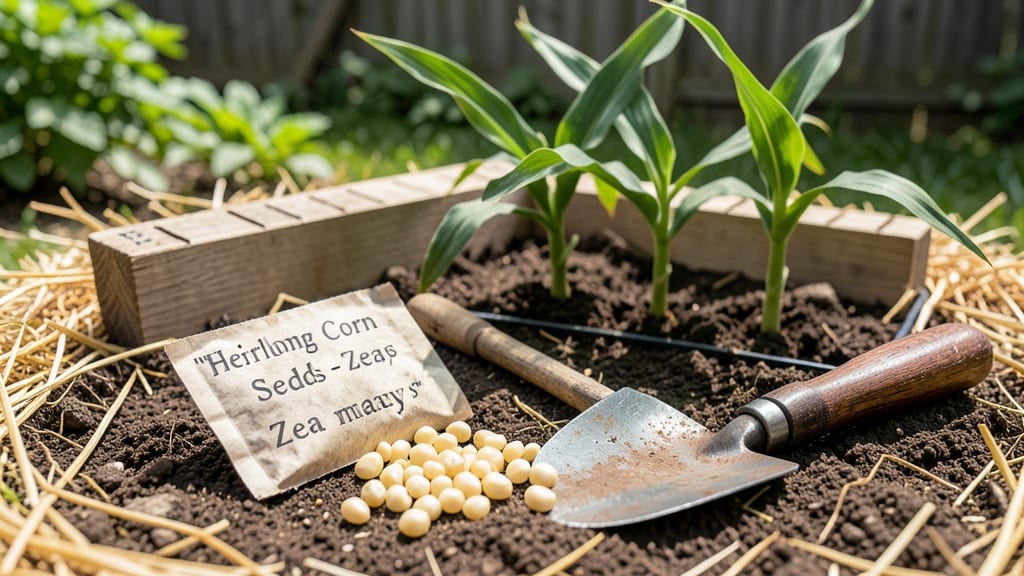
Planting corn in Pennsylvania at the wrong time can mean the difference between a bumper crop of golden 🌽 ears and a disappointing harvest.
With frost dates that shift yearly and soil that warms at different speeds across the state, timing is everything—and getting it right means understanding your specific zone and variety.
Most gardeners in zones 5b-7a know the general rule: aim for mid-April to early June, but that’s not the whole story. Soil temperature matters just as much as calendar dates, and late-spring frosts can still sneak in, especially in northern counties like Erie.
The key is balancing patience with action—waiting too long risks shorter daylight, while planting too early can leave young plants vulnerable.
In this guide, I’ll break down the exact planting windows for sweet, field, and popcorn varieties, plus how to adjust for Pennsylvania’s unpredictable weather. Whether you’re a first-time gardener or a seasoned pro, these insights will help you time your corn planting for the most reliable yields.
Ready to grow corn that thrives? Let’s dive into the most important factors—from soil prep to variety selection—that make all the difference in your harvest success.
Pennsylvania corn planting dates by variety: exact timing for optimal growth
Timing is everything when planting corn in Pennsylvania, where last frost dates can vary by 2-3 weeks between regions. For sweet corn, aim to plant when soil temperatures hit 60°F—typically mid-April to early May in most of the state.
In northern PA (USDA Zone 5b), wait until late May to avoid frost damage, while southern PA (Zone 7a) can start as early as early April for early varieties.
Field corn and popcorn varieties need slightly different timing. Field corn thrives with longer growing seasons (90+ days), so plant late April to early June in southern PA or early May to mid-June in northern regions. Popcorn, often slower to mature, benefits from earlier planting (mid-April) to avoid early fall frosts cutting the season short.
Here’s a quick reference for Pennsylvania’s corn planting calendar by variety and region, based on USDA frost data and Penn State Extension recommendations:
| Variety | Best Planting Window | Days to Maturity | Notes for PA |
|---|---|---|---|
| Sweet Corn (e.g., 'Silver Queen', 'Peaches and Cream') | Mid-April (south) to early May (north) | 60–90 days | Plant in blocks, not rows, for better pollination. |
| Sweet Corn (early varieties, e.g., 'Ambassador') | Late April to mid-May (statewide) | 70–80 days | Ideal for northern PA’s shorter season. |
| Field Corn (e.g., 'Pioneer Brand 33B13') | Late April (south) to early June (north) | 90–120 days | Needs warm soil; avoid planting if frost is forecasted. |
| Popcorn (e.g., 'Glass Gem', 'Strawberry') | Mid-April to early May (statewide) | 85–110 days | Drought-tolerant; space plants 12" apart. |
For northern PA counties like Erie or Scranton, where last frosts can linger into May, opt for short-season varieties (70–80 days) like 'Early Sunglow'. In southern PA, where summers are hotter, medium-season varieties (90–110 days) like 'Bodacious' thrive with earlier planting and longer harvest windows.
Pro tip: Use a soil thermometer to confirm 60°F soil temps—cold soil delays germination. If planting in May, choose drought-resistant varieties like 'Peaches and Cream', which handles PA’s unpredictable rainfall better than others.
One common mistake? Planting too early in cool, wet springs. Corn seeds rot in cold, soggy soil, so wait for consistent warmth (at least 55°F nighttime temps) before sowing.
If you’re unsure, start seeds indoors 2–3 weeks before the last frost and transplant seedlings after May 15.
Remember, corn is wind-pollinated, so plant in blocks of 4–6 rows (not single rows) to ensure cross-pollination. In windy PA regions, like Allegheny County, this is especially critical for sweet corn yields.
For succession planting, stagger seeds every 2 weeks from mid-May to early June to enjoy continuous harvests through September. This works best for southern PA; in northern areas, limit to one planting for early-maturing varieties.
Finally, mark your calendar for harvest time: late July to early October, depending on variety. Sweet corn should be harvested when silks turn brown and kernels are milky—don’t wait too long, or they’ll turn starchy and tough.
How to adjust corn planting dates for Pennsylvania’s microclimates and weather risks
Pennsylvania’s diverse climate—from the cool lakeside regions of Erie to the warmer valleys near Pittsburgh—means planting dates can vary by 2-3 weeks across the state. Late frosts in northern PA often hit after May 10, while southern areas may see frost-free conditions by April 15.
Adjust your schedule based on your USDA zone (5b-7a) and local microclimates.
For northern PA (Erie, State College), wait until May 1-15 to plant, using short-season varieties (70-90 days) to avoid fall frosts. In central PA (Harrisburg, Lancaster), you can plant as early as April 20-May 5 for medium-season corn (90-110 days).
Southern PA (Pittsburgh, Reading) allows even earlier planting—April 1-15—for longer growing seasons.
Soil temperature is critical: corn won’t germinate well below 50°F, and roots struggle in cold soil. Use a soil thermometer to confirm 60°F+ at 4-inch depth before planting. If your soil is slow to warm, opt for black plastic mulch to speed up heating.
Late Frost Warning
If frost threatens after planting, cover seedlings with row fabric or old bedsheets for 3-5 nights. Corn is sensitive to frost damage—even 28°F can stunt growth or kill young plants.
For extended growing seasons, try succession planting: plant early varieties in late April and follow with mid-season types in early May. This spreads out your harvest and reduces risk.
In southern PA, consider heat-tolerant varieties like ‘Silver Queen’ or ‘Peaches & Cream’ to handle July’s high temperatures.
Monitor Penn State Extension’s frost forecasts and local weather alerts. If your area has a history of late frosts (like the Poconos), delay planting until May 15 or use a cold frame for early starts. Always have a backup plan—whether it’s extra mulch or a greenhouse—for unpredictable springs.
Finally, if you’re in a shady microclimate (like near trees or buildings), choose dwarf or semi-dwarf varieties (e.g., ‘Bodacious’) that tolerate partial shade better. These may have slightly shorter harvest times but still thrive in 5-6 hours of sun.