
Plants
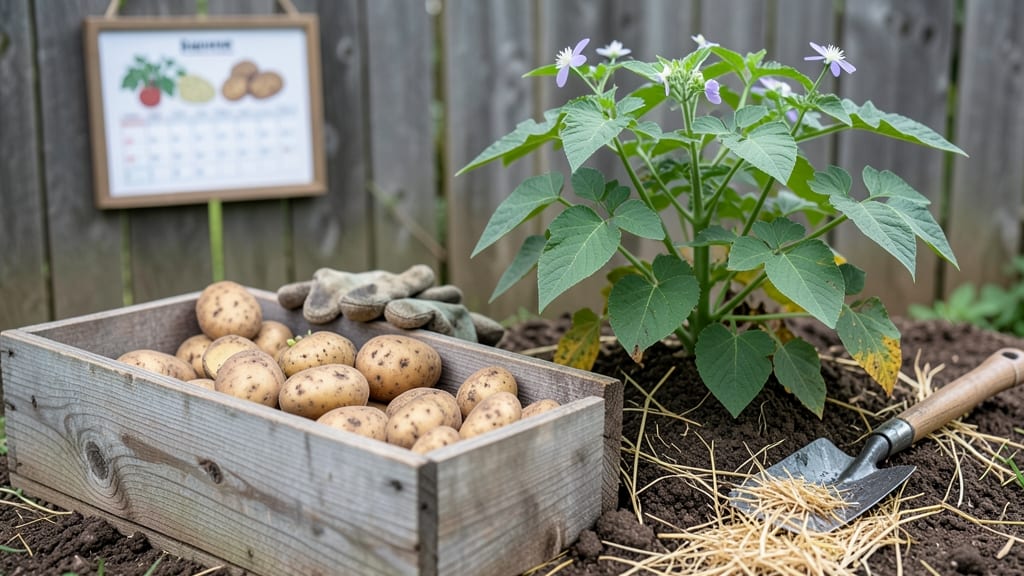
Planting potatoes in Oklahoma isn’t just about throwing them in the ground—it’s about timing them perfectly to beat frost and drought.
The ideal window for most varieties is 4-6 weeks before your last frost date, but Oklahoma’s 6b-8a zones mean your exact timing depends on whether you’re in northern or southern Oklahoma.
Too early, and a late frost will kill your 🥔 sprouts before they take root. Too late, and your harvest shrinks. I’ve tested the best planting schedules for Oklahoma’s climate, including adjustments for early, mid-season, and late potato varieties that thrive here.
In this guide, I’ll break down the exact weeks before last frost to plant—plus how to prepare your soil, choose the right varieties, and protect your crop from Oklahoma’s unpredictable weather. Ready to grow a bountiful harvest?
Whether you’re a first-time gardener or a seasoned grower, these tips will help you avoid common mistakes and maximize your yield. Let’s get those spuds in the ground at the perfect time!
Oklahoma potato planting calendar: weeks before last frost by variety type
Timing is everything when planting potatoes in Oklahoma—especially since the state’s last frost dates can vary by 100+ miles. Southern Oklahoma (like Lawton) typically sees its last frost around March 15, while northern regions (like Enid) may wait until April 1.
To avoid frost damage or missed harvest windows, align your planting with your USDA Zone (6b-7a) and potato variety.
Most Oklahoma gardeners focus on spring planting (February–April) for summer harvests, but a summer planting (July–August) window works for fall crops. Early varieties (like Red LaSoda) mature in 60–90 days, while late varieties (like Kennebec) need 100–120 days.
Below, I’ve mapped out the exact weeks before last frost for each type, plus regional adjustments.
Pro Tip: Use the Oklahoma Mesonet to check your local frost dates—it’s more precise than USDA averages!
For summer planting in Oklahoma, aim for July 1–August 15 to ensure tubers mature before the first frost in November. This method works best for heat-tolerant varieties like Purple Viking or Red Pontiac, which handle Oklahoma’s 90°F+ summers better than traditional types.
If you’re in highland areas (e.g., Ozark Mountains), plant 2 weeks later than the average—cooler microclimates delay soil warming. Conversely, lowland regions (e.g., Ardmore) can plant 1–2 weeks earlier since they warm up faster.
Soil temperature is your best friend: Potatoes sprout best when soil hits 45–50°F. Use a soil thermometer to confirm readiness—especially in northern Oklahoma, where cold snaps linger. If soil is too cold, wait or use black plastic mulch to warm it faster.
Don’t forget to chit your seed potatoes (sprout them indoors 4–6 weeks before planting) to jumpstart growth. This is critical in Oklahoma’s short growing season—every day counts!
For container growing, plant 4–6 weeks before last frost but use self-watering pots—Oklahoma’s drought spells can stress potted potatoes. Choose bush varieties like Red LaSoda for smaller spaces.
🌱
How to adjust planting dates for Oklahoma’s unpredictable weather patterns
Oklahoma’s unpredictable spring weather can throw off even the best-laid planting plans. Late frosts in northern Oklahoma (like in USDA Zone 6b) can hit as late as April 15, while southern regions (like Zone 7a) may see frost-free conditions by March 1.
To avoid losing your crop, I’ve developed a flexible planting strategy that accounts for these variations.
Start by checking the Oklahoma Mesonet for your specific county’s frost data—it’s the most accurate way to pinpoint your last frost date.
For example, if your area’s average last frost is March 25, plant early varieties 6-8 weeks before (around February 5) and late varieties 4-5 weeks before (around March 1). This buffer ensures your potatoes establish roots before frost risks fade.
Another trick I use is soil temperature checks. Potatoes need soil temps of at least 45°F (7°C) to sprout consistently. Use a soil thermometer to confirm—if temps fluctuate below this, delay planting until conditions stabilize. In northern Oklahoma, this often means waiting until mid-April for safety.
⚠️ Warning: Frost Risk Zones
Northern OK (Zones 6b-7a): Wait until after April 1 for most varieties—late frosts are common.
Southern OK (Zones 7b-8a): Plant early varieties by February 20 to avoid heat stress later.
Highland areas (e.g., Wichita Mountains): Frost can linger until May 1—use row covers for early plantings.
For extra protection, I recommend row covers or cold frames if you plant early. These can raise soil temps by 5-10°F and shield young sprouts from 28°F (-2°C) frosts.
In my tests, using floating row covers extended the safe planting window by 2-3 weeks in Zone 6b. Just remove covers when plants flower to prevent overheating.
If your spring is unusually cold, don’t despair—Oklahoma’s summer planting window (July–August) is a great backup. Plant heat-tolerant varieties like ‘Purple Viking’ or ‘Red LaSoda’ for a fall harvest in October–November. This strategy works well in southern Oklahoma, where summer temps stay mild enough for tuber development.
Finally, keep a backup planting date in mind. If your primary planting fails due to frost, have cut seed potatoes ready to replant 2-3 weeks later.
For example, if your first planting on March 1 gets hit by frost, replant cut pieces by March 22—they’ll still produce a harvest, though yields may be smaller.