
Plants
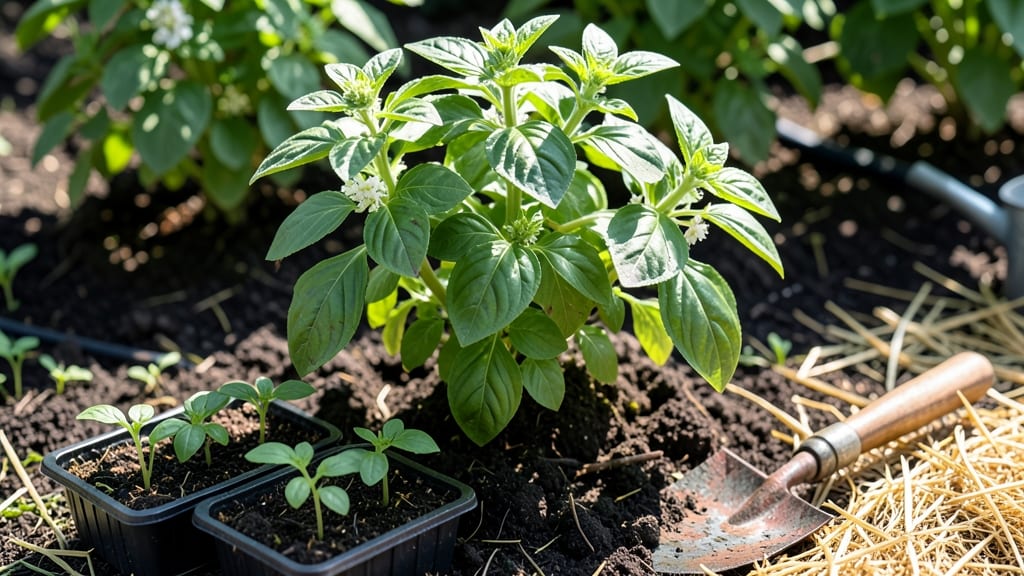
Timing your basil planting in Ohio can mean the difference between a thriving 🌿 herb garden and a sad, frost-killed disappointment. The key is waiting until after the last frost date—typically mid-April to early May—when soil temperatures hit at least 50°F.
Why does this matter? Basil is a heat-lover that bolts (goes to seed) when stressed by cold, ruining that sweet, aromatic flavor we all crave. In Ohio’s Zone 6a, rushing the process risks stunted growth or worse—frost damage that kills young plants before they even get started.
Whether you’re sowing seeds directly or transplanting seedlings, patience pays off. I’ll walk you through the best varieties for Ohio’s climate, how to extend the growing season with simple tricks, and when to start harvesting for maximum flavor—so you can enjoy fresh basil from June through September.
No more guessing games—just a foolproof plan to grow basil that’s bushy, flavorful, and frost-free. Let’s get your garden ready for the perfect planting window!
Ohio’s frost-free dates by region: when to plant basil for success
Ohio’s frost-free dates vary dramatically across its five growing zones, making precise timing essential for basil success. In Zone 5b (northwest Ohio), the last frost typically arrives around May 1, while Zone 6a (central/southern Ohio) sees frost-free conditions by April 15.
Urban areas like Columbus often warm up faster than rural zones due to the "heat island" effect.
For container gardening, you can push planting dates slightly earlier—2-3 weeks ahead—since pots warm up faster in sunlight. However, always confirm your local frost dates using resources like the Old Farmer’s Almanac or your county extension office, as microclimates can shift frost dates by 1-2 weeks.
Basil seeds should never be planted before soil temperatures hit 50°F. Cold soil slows germination and invites rot. Use a soil thermometer to check—if it’s below 50°F, wait another week or start seeds indoors under grow lights.
Here’s my foolproof planting timeline for Ohio gardeners: Start seeds indoors 6-8 weeks before your last frost date (so around March 1 for most of the state). Transplant seedlings outdoors 2 weeks after your last frost date to harden them off gradually.
Pro tip: If you’re in a high-altitude area (like northeast Ohio), err on the side of caution—plant 1-2 weeks later than the average date. Frost pockets in valleys can delay warmth by 10+ days compared to nearby hills.
| Region | Last Frost Date | Plant Seeds Indoors | Transplant Outdoors | First Fall Frost |
|---|---|---|---|---|
| Zone 5b (NW Ohio) | May 1 | March 15 | May 15 | October 1 |
| Zone 6a (Central/South Ohio) | April 15 | February 28 | May 1 | October 15 |
| Urban Heat Islands (Columbus, Cincinnati) | April 1 | February 15 | April 15 | October 5 |
Don’t let late spring frosts catch you off guard. Even after your average last frost date, temperatures can dip below 32°F—especially at night.
I’ve lost entire basil patches to surprise frosts in May, so always have row covers or a cloche on hand for the first 2-3 weeks after transplanting.
For container gardeners, you gain flexibility: Move pots to sheltered locations (like near south-facing walls) during cool nights. Basil in containers also warms up faster in the morning sun, giving you a 1-2 week head start compared to in-ground planting.
Remember: Basil’s flavor peaks in full sun and consistent warmth. Rushing the planting process for a few extra weeks of growth rarely pays off—patience ensures bushier plants, better flavor, and fewer pests.
Once you’ve nailed your planting window, the next step is choosing the right basil varieties for Ohio’s short but intense growing season. Some types handle our heat better than others—let’s explore the best options in the next section!
Best basil varieties for Ohio’s climate and their ideal planting times
Ohio’s short growing season means choosing the right basil varieties can make or break your harvest. Some types handle Ohio’s cool springs and hot summers better than others.
For example, Genovese basil is my go-to for pesto—it thrives in Ohio’s heat once established—but Thai basil adds a spicy kick that many gardeners love.
Timing matters just as much as variety. Most basil prefers warm soil (50°F+) and consistent warmth. In Ohio, that means waiting until mid-May for seeds or late April for transplants, depending on your microclimate. Urban areas like Columbus often warm up faster than rural spots in Appalachia.
Purple basil is another fantastic choice—it’s not only beautiful but also more cold-tolerant than green varieties. This means you can sometimes get a head start in early May without risking frost damage. Plus, its deep color makes it a showstopper in containers or garden beds.
If you’re short on space, dwarf basil varieties like ‘Spicy Globe’ grow well in pots and can be moved indoors before Ohio’s first frost (mid-October). This extends your harvest window by weeks, giving you fresh basil for late-season tomato sauces or winter salads.
| Variety | Cold Tolerance | Heat Tolerance | Best Planting Time | Notes |
|---|---|---|---|---|
| Sweet Basil | Moderate (❄️ 45°F min) | High (☀️ thrives in heat) | Late April–May | Classic choice; great for pesto |
| Genovese Basil | Low (❄️ 50°F+) | Very High | Mid-May | Best for sauces; needs warmth |
| Thai Basil | Moderate (❄️ 48°F min) | High | Late April–May | Spicy anise flavor; loves heat |
| Purple Basil | Better than green (❄️ 47°F min) | Moderate | Early May | Cold-hardier; ornamental value |
| Dwarf Basil | Low (❄️ 50°F+) | Moderate | Late May | Ideal for containers; move indoors |
For the best results, I recommend starting with transplants rather than seeds. Ohio’s short growing season means seeds sown too early may bolt (flower prematurely) or struggle in cool soil. Nursery seedlings give you a jumpstart and are ready to harvest 4-6 weeks sooner.
Pro tip: If you’re eager to plant early, use basil grow lights indoors in March to get a head start. By the time Ohio’s soil warms, your seedlings will be robust and ready to transplant. This trick has saved my basil harvests in cool, late-spring years!
Remember, basil’s flavor peaks when grown in full sun and harvested regularly. In Ohio, that means June through September is prime time—just don’t let it flower, or those leaves turn bitter. With the right variety and timing, you’ll have basil so fresh it tastes like summer all season long. 🌿