
Plants
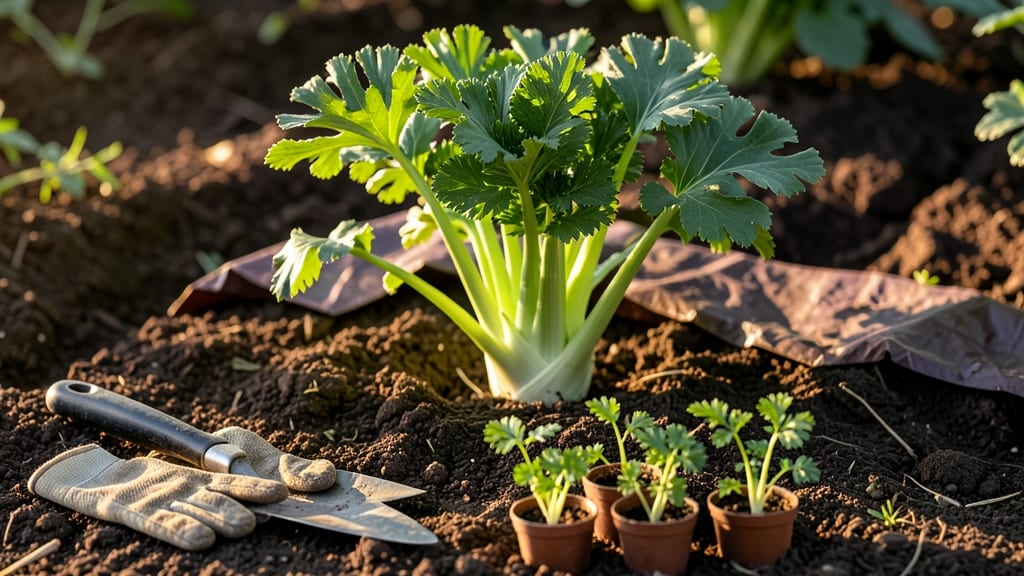
Planting celery in Florida at the wrong time can turn your crisp, flavorful dream harvest into bitter disappointment—especially when summer heat sends even the hardiest varieties bolting before they mature.
But here’s the good news: with the right timing and heat-tolerant varieties like ‘Tall Utah’ or ‘Florida Celery’, you can grow 🥬 that thrives in the Sunshine State’s climate.
The key lies in understanding Florida’s unique planting windows—late summer to early fall for fall harvests, and again in winter for spring crops.
In this guide, I’ll break down the exact months to plant in your specific Florida zone, plus pro tips to beat the heat and keep your celery crisp. Whether you’re a beginner or a seasoned gardener, these strategies will help you avoid common pitfalls and enjoy homegrown celery year-round.
Ready to transform your garden into a celery powerhouse? Let’s dive into the timing, soil prep, and heat management tricks that make all the difference in Florida’s frost-free growing zones.
Best planting times for celery in Florida’s climate zones
Florida’s unique climate—with its long, hot summers and mild winters—means celery thrives in two distinct planting windows each year. Unlike northern states, Florida gardeners don’t have to worry about frost, but heat stress and bolting are the real enemies of crisp celery.
Timing is everything to avoid bitter stalks and wasted effort.
For most of Florida (USDA zones 9a-11), the ideal planting months are late summer to early fall (August-October) and again in winter (December-February). This aligns with cooler temperatures that prevent celery from bolting prematurely.
North Florida (zone 8b) may experience rare frosts after December 15, so adjust timing slightly earlier.
Celery is a cool-season crop, meaning it prefers temperatures between 50°F-75°F. In Florida’s heat, planting too early (like April-May) risks bolting, while planting too late (after October) may result in slow growth or poor flavor.
The key is to start seeds 10-12 weeks before transplanting or buy transplants from a trusted nursery.
Here’s how Florida’s three main climate zones differ in their optimal planting schedules:
In North Florida, where temperatures dip slightly in winter, you can push the envelope with a December-January planting for an early spring harvest. Meanwhile, South Florida’s longer growing season allows for two full harvests per year, but requires extra vigilance against humidity-related diseases like celery leaf spot.
For spring planting attempts (which I don’t recommend in most of Florida), start seeds indoors in March and transplant in April, but expect slower growth and potential bolting. The risk of heat stress makes fall and winter plantings far more reliable for crisp, flavorful celery.
Pro tip: Use a shade cloth (30-50%) during peak summer months to protect young plants from direct sunlight, which can cause bolting. This simple trick extends your planting window by 2-3 weeks in both spring and fall.
Always choose heat-tolerant varieties for Florida’s climate, as we’ll cover in the next section. Varieties like ‘Florida Celery’ and ‘Tall Utah’ are bred to handle our high humidity and occasional heat spikes better than standard grocery-store celery.
Remember, celery needs consistent moisture to stay crisp. In Florida’s dry season (November-March), mulch heavily to retain soil moisture and reduce watering frequency. A 2-3 inch layer of straw or pine needles works wonders.
🌱
Best planting times for celery in Florida’s climate zones
Florida’s three distinct climate zones—North, Central, and South—each demand slightly different timing for growing heat-sensitive celery. Unlike northern states, Florida’s frost-free winters mean you can grow celery year-round, but timing is everything to avoid bolting or bitter stalks.
The key is planting during cooler months when temperatures hover between 60°F and 75°F.
In North Florida (Zones 8a-9a), where occasional light frosts can occur in December, your window starts earlier. Aim to plant transplants in late August to early September for a fall harvest, or December to January for a winter crop.
The Central (Zones 9b-10a) and South (Zones 10b-11) zones offer longer growing seasons, but even here, summer planting is risky due to extreme heat.
| Zone | Best Planting Window | Harvest Time | Key Consideration |
|---|---|---|---|
| North (8a-9a) | Late Aug - Early Sept Dec - Jan |
Oct - Nov Feb - Apr |
Avoid Dec frosts; use shade cloth in summer |
| Central (9b-10a) | July - Aug Nov - Dec |
Sept - Oct Jan - Mar |
Provide afternoon shade; mulch heavily |
| South (10b-11) | June - July Oct - Nov |
Aug - Sept Dec - Jan |
Use drip irrigation; avoid summer planting |
For successful fall crops, start seeds indoors 10-12 weeks before your first frost date (or late July for Central/South Florida). Transplant seedlings when they’re 4-6 inches tall and nighttime temps drop below 80°F.
In South Florida’s Zone 11, you can even plant year-round, but focus on June-July and October-November for best results.
Avoid planting celery during peak summer months (May-August) unless you’re using heat-tolerant varieties and providing heavy shade. Even then, expect slower growth and bitter stalks. Instead, prioritize fall and winter plantings when cooler temps and higher humidity create ideal conditions for crisp, sweet celery.
Pro tip: Use a soil thermometer to monitor ground temps—celery thrives when soil stays between 60°F and 75°F. If temps rise above 85°F, your plants may bolt prematurely, turning fibrous and inedible. Shade cloth (30-50%) is your best friend during Florida’s hot afternoons.
Remember, Florida’s long growing season means you can enjoy two celery harvests per year—one in fall and another in winter. With the right timing and a little shade, you’ll be feasting on homegrown celery instead of store-bought stalks that never quite measure up. 🥬