Plants
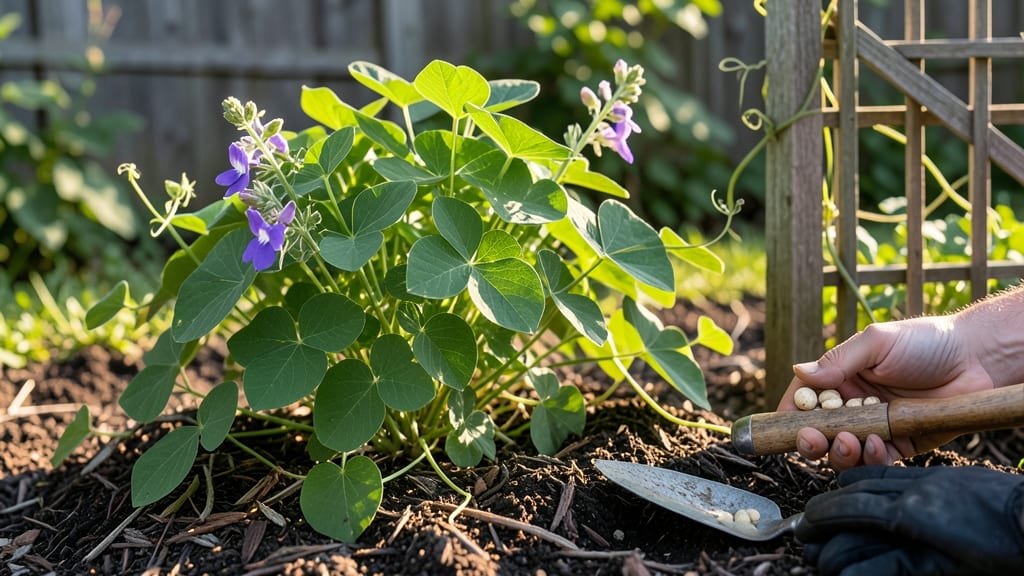
Timing when to plant cowpeas in Texas just right can mean the difference between a bountiful harvest and wasted effort—especially when those 100-degree afternoons hit.
The key isn’t just avoiding frost (though that’s critical in North Texas) but also beating the heat that can scorch young plants before they even set pods.
I’ve learned the hard way that planting too early in Central Texas or too late in the Hill Country means struggling with either cool soils or sweltering conditions. But get the window right—late spring to early summer—and you’ll watch these heat-loving legumes thrive even when other crops wilt.
Let’s break down the exact planting schedule for your region, plus soil prep tricks that actually work in Texas’ unpredictable climate.
What most gardeners miss is how soil temperature matters just as much as air temperature. Cowpeas need warm ground to germinate fast, and in Texas, that means waiting until the soil hits at least 65°F—even if the calendar says spring.
I’ll show you how to test it and adjust your schedule so you’re never playing catch-up with the heat.
From drought-resistant varieties that handle South Texas summers to quick-maturing types for North Texas’ shorter season, we’ll cover everything you need to plant with confidence. No more guessing—just a clear, region-specific plan to turn your garden into a cowpea powerhouse by summer.
Best planting times for cowpeas in Texas by region
Texas’ diverse climate means cowpeas thrive in different regions at different times. In North Texas (USDA Zones 7-8), plant between April 15 and May 15 after the last frost—typically late March. The cooler springs here delay soil warming, so aim for 60°F+ soil temperatures for germination.
Central Texas (Zones 8-9) offers a longer window: March 15 through June 1, with peak success in April and May when rainfall is reliable.
South Texas (Zones 9-10) gardeners can start as early as February 15 for early varieties, but focus on March through April to avoid extreme summer heat. Heat-tolerant varieties like ‘Purple Hull’ handle South Texas’ 95°F+ days better than others.
Always check local frost-free dates—North Texas averages March 15, while South Texas rarely sees frost.
Cowpeas are heat-loving annuals, so avoid planting when daytime highs exceed 90°F consistently. Late summer plantings (after July 15) risk poor germination due to dry soil. Instead, opt for succession planting every 2-3 weeks from spring through early summer to extend harvests.
Rainfall patterns matter too. North Texas’ dry springs may require irrigation, while Central and South Texas often get enough rain. Always water seeds daily until sprouts appear, then taper to 2-3 times weekly once established.
🌱 Key Takeaway: Plant cowpeas when soil temps hit 60°F+ and nighttime temps stay above 55°F. North Texas: April-May; Central Texas: March-June; South Texas: February-April.
| Region | USDA Zones | Best Planting Window | Soil Temp Goal | Key Varieties |
|---|---|---|---|---|
| North Texas | 7-8 | April 15–May 15 | 60°F+ | ‘Black-Eyed Pea’, ‘Crimson Rambler’ |
| Central Texas | 8-9 | March 15–June 1 | 65°F+ | ‘Purple Hull’, ‘Iron Clay’ |
| South Texas | 9-10 | February 15–April 15 | 70°F+ | ‘California Blackeye’, ‘Mississippi Silver’ |
✅ Pro Tip: Use a soil thermometer to confirm readiness—cowpeas won’t sprout below 60°F!
For container gardening, start seeds indoors 4-6 weeks before your region’s last frost. Transplant seedlings after soil warms and nighttime temps stay above 55°F. Containers dry out faster, so use self-watering pots or mulch heavily to retain moisture.
Watch for pests like cowpea curculio and aphids, which thrive in hot, dry conditions. Plant marigolds nearby to deter pests naturally. If using row covers, remove them once flowers appear to encourage pollination.
Harvest begins 60-90 days after planting, depending on variety. Pick pods when they’re firm and 3-4 inches long for best flavor. In Texas’ heat, pods mature faster—check plants every 2-3 days to avoid overripening.
Extend your harvest by succession planting every 3 weeks from spring through early summer. This ensures a steady supply of fresh pods even as summer heat ramps up.
🌡️ Heat Alert: If temps hit 100°F+, provide afternoon shade to prevent flower drop. Mulch with straw or grass clippings to keep roots cool.
Soil preparation and pre-planting checklist for Texas cowpeas
Texas soils can be tricky—whether you're dealing with sandy loam in West Texas or clay-heavy soil in East Texas, cowpeas need the right conditions to thrive. Start by testing your soil's pH level (aim for 6.0–6.8), as cowpeas prefer slightly acidic to neutral soil.
If your soil is too alkaline, add sulfur or peat moss to adjust it gradually over a few weeks.
Before planting, enrich your soil with organic matter like compost or well-rotted manure. Cowpeas are nitrogen-fixing plants, meaning they pull nitrogen from the air, but they still benefit from phosphorus and potassium. Mix in a balanced fertilizer (5-10-10) or bone meal to give your plants a strong start.
Weed control is critical in Texas’s hot climate. Use a pre-emergent herbicide or hand-pull weeds before planting to reduce competition for water and nutrients. Cowpeas have shallow roots, so mulch around them with straw or wood chips to retain moisture and suppress weeds.
🌱 Pre-Planting Checklist for Texas Cowpeas
- ☑️ Test soil pH (6.0–6.8 ideal)
- ☑️ Amend with compost (2–3 inches)
- ☑️ Apply balanced fertilizer (5-10-10)
- ☑️ Clear weeds (hand-pull or herbicide)
- ☑️ Mulch with straw (1–2 inches deep)
- ☑️ Set up drip irrigation (avoid overhead watering)
Pro tip: Plant after a soil warming rain to speed germination in dry Texas springs.
Irrigation is another key factor. Cowpeas need consistent moisture but hate soggy soil. Install a drip irrigation system or soaker hose to deliver water directly to the roots. Avoid overhead watering, which can spread fungal diseases like powdery mildew—a common issue in Texas’s humid summers.
Finally, choose a sunny planting site with at least 6–8 hours of direct sunlight daily. Cowpeas struggle in shade, so avoid areas under trees or near tall structures.
If you’re planting in North Texas, opt for early-maturing varieties to beat the heat, while South Texas gardeners can plant later but must provide afternoon shade during peak summer.
With these prep steps, your cowpeas will have the perfect foundation to grow strong, resist pests, and produce abundant pods all season long. Happy planting! 🌿