
Plants
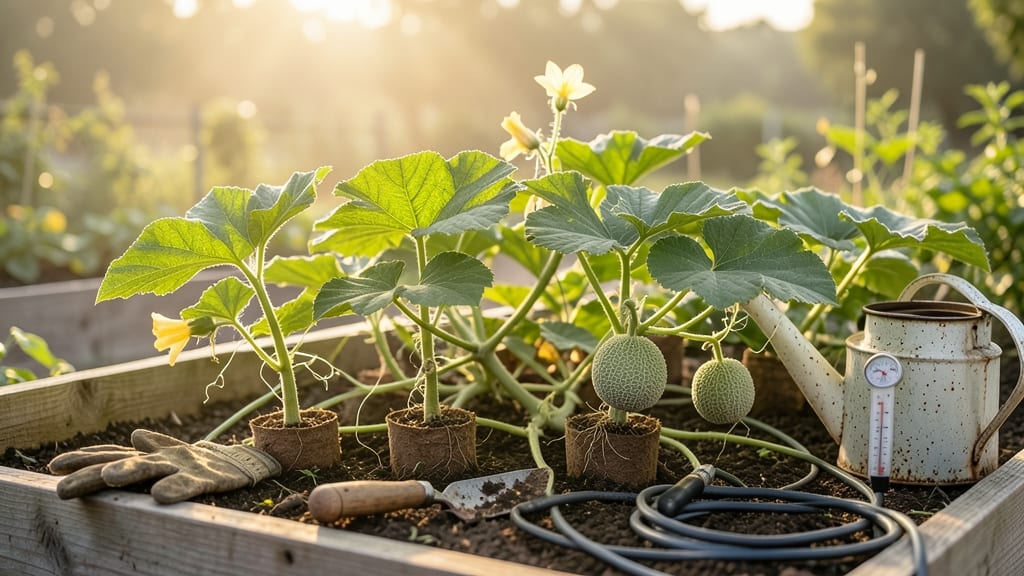
Planting cantaloupe 🍈 in Zone 8b isn’t just about timing—it’s about catching that sweet spot between frost and scorching heat where your vines will thrive. Get the dates wrong, and you’ll either lose your seedlings to cold snaps or watch your plants wilt under early summer’s intensity.
I’ve learned the hard way that waiting until soil temperatures hit 70°F makes all the difference—no more sad, stunted vines or bitter fruit. The key is starting seeds indoors 4-6 weeks before your last frost (around mid-February) or direct-sowing after early April when the air stays reliably warm.
But here’s the secret most gardeners miss: Zone 8b’s microclimates can shift your ideal window by weeks. Whether you’re dealing with coastal breezes or inland heat, I’ll show you how to adjust planting dates, pick the right varieties, and prep your soil for maximum sweetness.
Ready to grow cantaloupes that taste like summer? Let’s dive into the exact steps—from soil prep to harvest—that turn good harvests into juicy, flavor-packed wins every season.
Optimal planting timeline for cantaloupe in Zone 8b: avoid these critical mistakes
Zone 8b’s mild winters and scorching summers create a perfect cantaloupe-growing environment—but timing is everything. Plant too early, and frost will kill tender seedlings. Plant too late, and your harvest arrives during sweltering September heat, reducing sweetness. The key? Wait for soil temperatures to hit 70°F (21°C) consistently.
In Zone 8b, your last average frost date is around February 15, but cantaloupes cannot tolerate cold soil. Most gardeners in this zone direct-sow seeds between mid-March and early April, when daytime highs regularly exceed 75°F (24°C).
If you’re eager for an earlier harvest, consider transplanting seedlings from indoor starts, but only after nighttime temps stay above 55°F (13°C).
Here’s the critical timeline you must follow to avoid common mistakes:
| Stage | Action | Temperature Threshold | Zone 8b Window |
|---|---|---|---|
| Soil Warm-Up | Test soil temp with a thermometer | ≥70°F (21°C) | Late March - Early April |
| Direct Sowing | Plant seeds 1" deep, 3-4 ft apart | Night temps >55°F (13°C) | Mid-April - Early May |
| Transplanting Seedlings | Hardened-off seedlings, 2-3 leaves | Day temps ≥75°F (24°C) | Late April - Early May |
| Fruiting Peak | Harvest begins 75-90 days after planting | Day temps 80-95°F (27-35°C) | June - August |
| Late Season Adjustment | Sow succession crop for fall harvest | Soil ≥65°F (18°C) | Late July - Early August |
Pro tip: Use black plastic mulch to raise soil temperatures 5-10°F faster, giving you a 2-3 week head start on the season. Simply lay the mulch 1-2 weeks before planting and cut small holes for seeds or seedlings.
If you’re in a cooler microclimate within Zone 8b (like higher elevations), delay planting by 2-3 weeks to avoid chilly nighttime temps. Conversely, if your garden is in a heat sink (like near pavement), you can plant 1-2 weeks earlier since soil warms faster.
One common mistake I see is planting cantaloupes too close to summer’s peak. If you sow seeds in late May or June, your fruit may overripe before harvest due to intense heat stress. Aim for a June-August harvest window by adjusting your planting dates accordingly.
For extended harvests, try succession planting: Sow a second batch in late July for a fall crop. Just be prepared to harvest before first frost (around November 15 in Zone 8b), as cantaloupes won’t survive cold nights.
Remember: Cantaloupes love heat, but they hate soggy soil. In Zone 8b’s humid summers, prioritize well-draining soil and consistent watering to prevent blossom-end rot or powdery mildew. We
Optimal planting timeline for cantaloupe in Zone 8b: avoid these critical mistakes
Zone 8b’s mild winters and long summers create a perfect cantaloupe-growing environment, but timing is everything. Plant too early, and frost will kill tender seedlings. Plant too late, and your harvest may arrive after summer’s heat fades.
The ideal window for cantaloupe in Zone 8b is late February to early April, once soil temperatures consistently hit 70°F (21°C).
Cantaloupes are warm-season crops that despise cold. Even a light frost (32°F/0°C) can destroy young plants. Since Zone 8b’s average last frost date is February 15, hold off until mid-to-late March for direct sowing.
If you’re transplanting seedlings, start them indoors 4-6 weeks before your target outdoor date to give them a head start.
Here’s the critical timeline you can’t afford to miss:
| Stage | Action | Temperature Threshold |
|---|---|---|
| Indoor Start (if transplanting) | Sow seeds 4-6 weeks before last frost | Room temp (70-75°F) |
| Direct Sow Outdoor | Plant after last frost and soil reaches 70°F | 70°F+ (21°C+) |
| Transplant Seedlings | Move hardened-off seedlings after April 15 | 60°F+ (15°C+) |
| First Harvest Window | 75-90 days after planting (June-July) | 80°F+ (27°C+) |
| Late Season Extension | Sow again in early August for fall harvest | 75°F+ (24°C+) |
Zone 8b gardeners can extend the season by using black plastic mulch to warm soil faster or planting heat-tolerant varieties like ‘Athena’ or ‘Hale’s Best.’ These varieties thrive in 90°F+ (32°C+) heat, which is common in Zone 8b summers.
For a second harvest, try a late summer planting in early August—just ensure your cantaloupes mature before the first frost in mid-November.
Watch for soil temperature fluctuations—cantaloupe seeds won’t germinate below 60°F (15°C). Use a soil thermometer to monitor conditions. If nights dip below 55°F (13°C), consider row covers for young plants until they’re established. Pro tip: Morning planting (before 10 AM) reduces heat stress on seedlings.
Timing isn’t just about dates—it’s about heat accumulation. Cantaloupes need 1,200-1,500 growing degree days (GDD) to mature. In Zone 8b, this typically means June through August is prime harvest time. Miss the window, and you’ll end up with bitter, underripe fruit or none at all.
✂️ Key takeaway: Plant cantaloupe in Zone 8b when soil is consistently 70°F+, avoid frost risk, and prioritize heat-tolerant varieties for reliable yields. Adjust for microclimates—south-facing beds warm up faster than shady spots.