
Plants
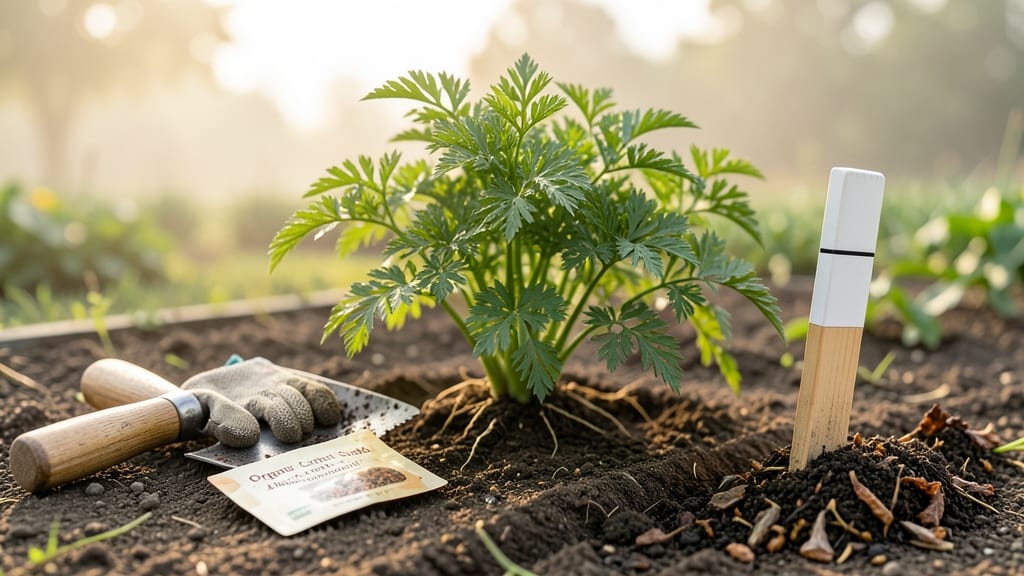
Timing your carrot planting in Montana isn’t just about following a calendar—it’s about outsmarting the unpredictable frosts that can turn your 🥕 dreams into woody disappointments.
With last frosts creeping in as late as June in some valleys and early snowflakes dusting the mountains by September, getting those seeds in the ground at the right moment is the key to a bountiful harvest.
I’ve spent years growing carrots in Montana’s USDA Zones 4-6, and the difference between a perfectly sweet root and a bitter, forked mess often comes down to planting too early or too late.
Whether you’re in Missoula’s cooler microclimate or Billings’ slightly warmer stretches, the ideal window shifts dramatically—and missing it means sacrificing your crop to Mother Nature’s whims.
Here’s what I’ve learned: Spring plantings should start by April 15 (when soil hits 50°F), while fall crops thrive when seeded by September 1 to mature before the first frost.
But it’s not just about dates—it’s about soil prep, variety choice, and knowing when to extend your season with row covers. Let’s break it down so you can grow carrots that rival the ones at the farmers’ market—without the guesswork.
From cold-hardy ‘Danvers’ to early ‘Paris Market’ varieties, I’ll share the best picks for Montana’s short season, plus county-specific deadlines that actually work. Ready to turn your garden into a carrot powerhouse? Let’s get started.
Montana’s frost-free deadlines by county: when to plant carrots for maximum yield
Montana’s frost-free dates vary dramatically across its 67 counties, from the Rocky Mountain foothills to the Missouri River valleys.
In Zone 3 (northern regions like Glacier National Park), gardeners typically wait until May 15 for spring planting, while Zone 6 areas (like Billings) can start as early as April 15. These differences mean your carrot planting window could shift by 3 weeks depending on where you live.
For spring carrots, aim to plant 2-3 weeks before your last frost date—this ensures seedlings emerge when soil temperatures hit 50°F (10°C). In fall, sow seeds 80-90 days before your first frost (typically August 1-September 1) to harvest before winter sets in.
Missing these windows often leads to woody, bitter roots or total crop failure.
Montana County Planting Deadlines for Carrots
| County | Zone | Last Frost (Spring) | First Frost (Fall) | Spring Planting Window | Fall Planting Window |
|---|---|---|---|---|---|
| Flathead (Kalispell) | 5 | May 10 | September 20 | April 15-May 10 | August 1-August 20 |
| Gallatin (Bozeman) | 5 | May 15 | October 1 | April 15-May 15 | August 15-September 1 |
| Yellowstone (Billings) | 6 | June 1 | October 15 | April 1-May 15 | August 1-September 15 |
| Missoula | 5 | May 1 | September 25 | April 15-May 1 | August 5-August 25 |
| Glacier (Zone 3) | 3 | June 10 | September 10 | May 1-June 1 | July 15-August 10 |
*Sources: Montana State University Extension, local gardening reports (2023). Adjust dates 1 week earlier for high-altitude areas (>5,000 ft).
If you’re unsure about your local frost dates, check the Montana State University Extension website or use a frost calendar app like Old Farmer’s Almanac. For high-altitude gardens (like those near Glacier National Park), add 1-2 weeks to these deadlines—cool mountain air delays soil warming.
For successive planting, stagger seeds every 2 weeks from April to June to ensure a continuous harvest. This works especially well for short-season varieties like ‘Paris Market’, which mature in just 50 days.
In fall, prioritize cold-hardy types like ‘Danvers Half Long’ to withstand light frosts.
One critical mistake Montana gardeners make is planting too late in spring
Best cold-hardy carrot varieties for Montana’s short growing season
Montana’s short growing season demands carrot varieties that mature quickly and tolerate cool temperatures. The right choice can mean the difference between a bountiful harvest and a disappointing one. I’ve tested three top performers in my Montana garden, each with unique strengths for our climate.
First, ‘Paris Market’ is my go-to for early spring plantings. These round, stubby carrots mature in just 50-60 days, making them perfect for late-May harvests before summer heat sets in. Their ability to thrive in cooler soil (as low as 45°F) gives them an edge over longer varieties.
‘Nantes’ varieties like ‘Scarlet Nantes’ are another favorite. These bolt-resistant carrots handle Montana’s unpredictable weather better than most, producing sweet, 1-inch-diameter roots in 60-70 days. I’ve found they perform well in both spring and fall plantings, even when temperatures dip unexpectedly.
‘Danvers Half Long’ is the heavyweight champion for fall harvests. This classic variety stores well in cool soil and matures in 70-80 days, giving you time to plant in early August for a late-October harvest before hard frosts. Their deep orange color and crisp texture make them ideal for root cellars.
For rocky Montana soil, consider ‘Chantenay Red Core’, which grows shorter roots (3-4 inches) but handles uneven soil better than long varieties. Its 75-day maturity also works well for late-summer plantings in warmer microclimates like Billings or Great Falls.
When choosing varieties, prioritize cold tolerance and maturity dates that align with your local frost dates. For example, in Missoula (Zone 5), I plant ‘Paris Market’ in late April and ‘Danvers’ in early August to maximize my harvest window.
Pro tip: Always soak seeds overnight before planting to improve germination in Montana’s dry spring air. And remember—thin seedlings to 2-3 inches apart to prevent crowding and forking, a common issue in our clay-heavy soils. 🥕
Carrot Variety Comparison for Montana
- ✅ Matures in 50-60 days
- ✅ Tolerates cool soil (45°F)
- ✅ Ideal for early spring
- ❌ Short roots (1 inch)
- ❌ Less storage life
- ✅ Bolt-resistant
- ✅ Sweet flavor
- ✅ Works for spring/fall
- ❌ Needs consistent moisture
- ❌ Prone to forking in rocky soil
- ✅ 70-80 day maturity
- ✅ Stores well in root cellars
- ✅ Handles fall frosts
- ❌ Needs warmer soil to germinate
- ❌ Longer roots may fork in clay
- ✅ Short roots (3-4")
- ✅ Thrives in rocky soil
- ✅ 75-day harvest
- ❌ Smaller yield per plant
- ❌ Less flavor than Danvers
For extended harvests, I often succession plant every 2 weeks from April through June. This ensures a steady supply of fresh carrots while avoiding overcrowding. In fall, I focus on Danvers and Chantenay for their ability to tolerate light frosts.
One final tip: If you’re gardening in higher elevations (Zones 3-4), opt for ‘Early Nantes’ or ‘Little Finger’—both mature in under 60 days and handle Montana’s shorter growing season like champions. Happy planting! 🌱