
Plants
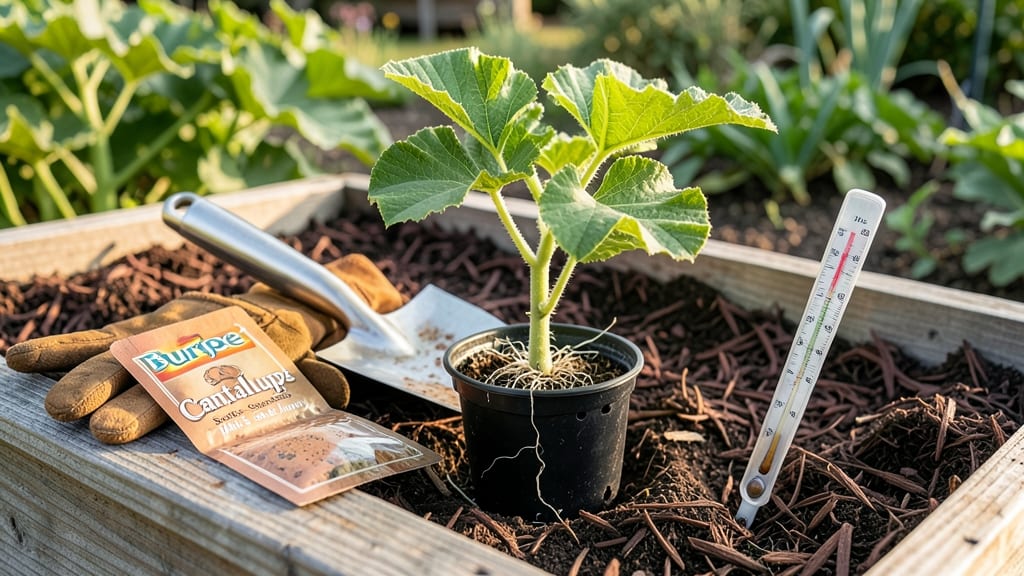
Planting cantaloupe in Ohio means nailing the April 15–May 15 window—or risking weak vines or fruit that never ripens. The difference between a thriving 🍈 patch and a failed attempt often comes down to soil temperature (wait until it hits 70°F) and knowing your county’s last frost date.
Most Ohio gardeners treat cantaloupe as an annual, and for good reason—it thrives in the 6a zone’s short growing season. But timing isn’t just about dates; it’s also about soil prep. Loose, well-draining earth with composted manure is the key to getting those vines off to a strong start.
You’ll want to space plants 3–6 feet apart to give them room to sprawl, and consider companion planting with borage or radishes to deter pests. The goal? A harvest window from July through August, when Ohio’s heat finally aligns with ripe, sweet melons.
Ready to avoid the common mistakes? I’ll walk you through exactly when to plant, how to extend the season, and which varieties perform best in Ohio’s climate—so you can enjoy that first slice of homegrown cantaloupe without the guesswork.
Ohio cantaloupe planting calendar: frost dates and soil temperature rules
Ohio’s cantaloupe growing season hinges on two critical factors: soil temperature and frost-free dates. Unlike hardy crops, cantaloupe won’t tolerate cold soil—roots need to warm to at least 60-65°F before planting.
In most of Ohio, this means waiting until mid-to-late May in northern counties, while southern regions like Chillicothe or Cincinnati can start as early as April 20.
Cantaloupe thrives as an annual in Ohio’s USDA Zone 6a, meaning it completes its life cycle in one season. The key is planting after the average last frost date, which varies by county.
For example, Columbus typically sees its last frost around April 15, while Toledo waits until May 1. Always check your local agricultural extension office for precise dates—microclimates can shift planting windows by 1-2 weeks.
Here’s the golden rule for Ohio gardeners: Never plant cantaloupe seeds in cold soil. Cold, wet conditions invite root rot and damping-off disease, which can kill seedlings before they sprout.
Instead, use soil thermometers to confirm 60°F+ soil temps at a 4-inch depth. If your soil isn’t ready, opt for transplants from a nursery, which can handle slightly cooler conditions than seeds.
| Region | Avg. Last Frost | Ideal Planting Window | Soil Temp Requirement | Notes |
|---|---|---|---|---|
| Southern Ohio (e.g., Cincinnati, Chillicothe) | April 10-20 | April 20 - May 10 | 60-65°F | Warmer microclimates allow earlier starts. |
| Central Ohio (e.g., Columbus, Dayton) | April 15-25 | May 1 - May 15 | 60-65°F | Use row covers for early starts. |
| Northern Ohio (e.g., Toledo, Cleveland) | May 1-10 | May 15 - June 1 | 60-65°F | Start indoors for earlier harvests. |
For Ohio gardeners, succession planting is your secret weapon. Cantaloupe has a 70-90 day maturity window, so planting in two batches—one in early May and another in late May—extends your harvest from July through August.
This works especially well in southern Ohio, where the growing season is longer. In northern Ohio, focus on one planting window and prioritize heat-tolerant varieties like ‘Ambrosia’.
Another Ohio-specific tip: Watch for late frosts, which can occur as late as May 10 in some areas. If frost is forecasted after planting, cover seedlings with frost cloth or a lightweight row cover.
Cantaloupe vines are sensitive to cold, and even a 32°F night can damage young plants. Keep an eye on your local National Weather Service alerts to stay ahead of surprises.
Soil preparation is just as critical as timing. Cantaloupe prefers
How to extend Ohio’s cantaloupe growing season with smart timing
Ohio’s short growing season can challenge cantaloupe lovers, but with the right strategies, you can push your harvest window by 4-6 weeks on either end. The key is balancing soil warmth, frost protection, and planting methods tailored to your county’s microclimate.
Whether you’re in Southern Ohio (warmer zones) or Northern Ohio (cooler zones), these techniques will help you avoid the pitfalls of early or late planting.
Start by hardening off transplants 7-10 days before setting them outdoors. This gradual adjustment prevents shock when moving from a controlled environment to Ohio’s unpredictable spring weather. For direct sowing, use biodegradable seed starter pots to minimize root disturbance when transplanting seedlings into the garden.
This method gives you a 2-week head start compared to traditional seed sowing.
🌱 Pro Tip: Test your soil temperature with a soil thermometer—cantaloupes thrive when soil reaches 60-65°F for germination and 70°F+ for vigorous growth.
In cooler Ohio counties like Ashtabula or Trumbull, wait until mid-May to plant, while Southern Ohio (e.g., Lawrence or Scioto counties) can start as early as late April.
For late-season extensions, harvest cantaloupes before the first frost (typically mid-October in Northern Ohio) and store them in a cool, dark place (50-55°F). With proper care, they’ll last 2-3 weeks post-harvest, giving you a taste of summer well into fall.
If frost threatens before harvest, pick overripe fruit—it’ll still ripen off the vine if stored properly.
🌿 Common Mistake: Many Ohio gardeners plant cantaloupes too early in hopes of a longer season, but cool soil and frost kill seedlings before they establish. Instead, focus on soil temperature and frost dates—not just calendar dates. Use Ohio State University’s frost probability maps to guide your planting schedule.
Finally, mulch heavily with straw or leaves to retain soil moisture and prevent weeds, which compete for nutrients. Cantaloupes are heavy feeders, so side-dress with compost or a balanced fertilizer (10-10-10) when vines start running.
With these strategies, you’ll turn Ohio’s 165 frost-free days into a high-yield cantaloupe season from June through September!