
Plants
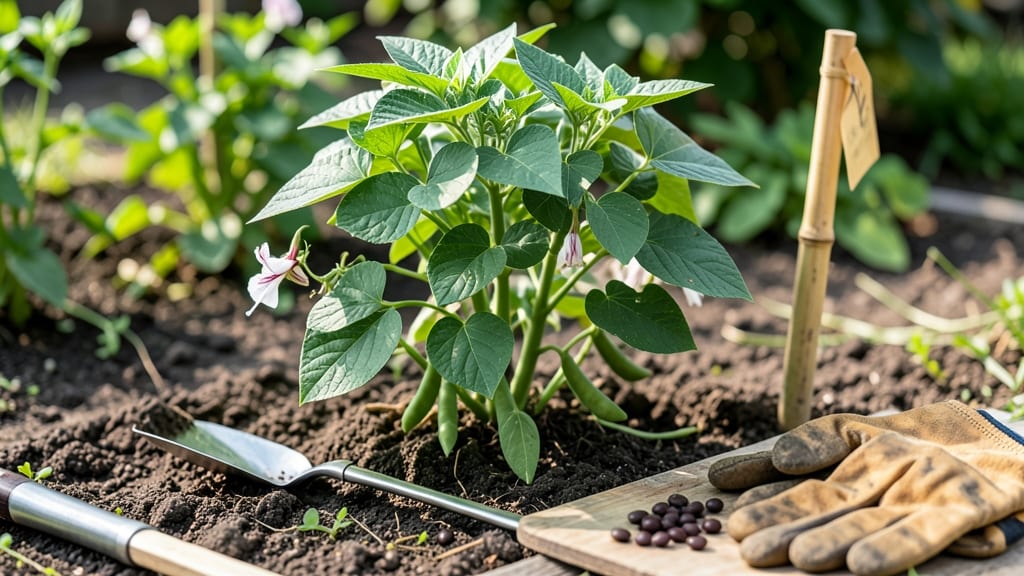
Planting beans in NJ at the wrong time means soggy seeds or stunted plants—neither of which ends with a harvest. The key? Waiting until soil hits 60°F and the last frost date (usually around April 15) has passed, but not so late that summer’s heat zaps your yield.
New Jersey’s 6a-7b climate gives you two prime windows: April 15–June 1 for early beans and August 1–September 15 for fall harvests. But timing isn’t just about dates—it’s also about variety. Pole beans need warm soil to climb, while bush beans tolerate cooler temps better.
I’ll walk you through the exact soil temps, frost-free deadlines, and variety-specific schedules to maximize your bean yield. Whether you’re growing Kentucky Wonder pole beans or Blue Lake bush beans, these tips will help you avoid common mistakes and extend your harvest into October.
Ready to turn your garden into a bean bonanza? Let’s dive into the perfect planting schedule for your NJ garden.
NJ bean planting calendar: soil temperature and frost-free deadlines by month
Timing your bean planting in New Jersey means paying close attention to soil temperatures and frost-free dates. Beans thrive when soil reaches 55°F+, but ideal germination happens at 60°F+.
In NJ’s USDA Zones 6a-7b, last frost typically arrives between April 15–May 15, but this varies yearly—always check local forecasts.
For spring plantings, aim to sow seeds 1–2 weeks after your last frost date. In most of NJ, this lands in late April to early May. However, southern NJ (like Cape May) can plant 2–3 weeks earlier than northern areas (like Sussex County).
Summer plantings for fall harvests should start in August to avoid heat stress before frost.
Here’s your NJ bean planting timeline, broken down by month and variety type:
| Month | Soil Temp | Bush Beans | Pole Beans | Lima Beans | Notes |
|---|---|---|---|---|---|
| April | 50–60°F | ❌ Avoid (risk of frost) | ❌ Avoid | ❌ Avoid | Wait for soil to warm |
| May | 60–70°F | ✅ Ideal (direct sow) | ✅ Ideal (direct sow) | ✅ Ideal (direct sow) | Best for early harvests |
| June | 70–80°F | ✅ Good (succession plant) | ✅ Good (succession plant) | ✅ Good (succession plant) | Heat-tolerant varieties preferred |
| July | 75–85°F | ⚠️ Risk of bolting | ⚠️ Risk of bolting | ⚠️ Risk of bolting | Use shade cloth if needed |
| August | 70–80°F | ✅ Ideal (fall harvest) | ✅ Ideal (fall harvest) | ✅ Ideal (fall harvest) | Plant for late-season pods |
| September | 60–70°F | ✅ Good (if frost-free) | ✅ Good (if frost-free) | ✅ Good (if frost-free) | Use row covers to extend season |
Bush beans (like Blue Lake) are the fastest to mature, with harvests in 50–60 days. Plant them in early May for a June harvest or late August for a September–October pick. Pole beans (like Kentucky Wonder) take 60–70 days and benefit from trellises to save space—start these in mid-May for a July–August harvest.
For Lima beans, which prefer warmer soil, wait until late May to early June when temps consistently stay above 65°F. These heat-lovers also thrive in August plantings for a fall harvest before frost.
If you’re in southern NJ, you can push Lima beans into September with row covers to extend the season.
Remember: Soil temperature matters more than air temperature. Use black plastic mulch to warm cold soil faster in early spring or shade cloth to protect beans from July’s scorching heat. With the right timing, you can enjoy fresh beans from June through October in NJ!
🌱
Best bean varieties for NJ’s climate and how to extend the harvest season
New Jersey’s 6a-7b climate zones mean we can grow beans from late spring to early fall, but not all varieties thrive equally. Blue Lake Bush beans are my go-to for early harvests—they mature in just 50 days and handle NJ’s humid summers better than most.
For taller gardens, Kentucky Wonder Pole beans climb 6-8 feet and produce heavier yields when trellised.
If you love heirloom varieties, try Christmas Lima beans—they’re perfect for late-summer planting (August) and taste sweeter after a light frost. These drought-tolerant beans also resist common NJ pests like bean beetles, making them a low-maintenance choice.
🌱 Pro Tip: For a continuous harvest, plant every 2 weeks from April to July. This succession method ensures fresh beans from June through October, even if you miss the perfect window.
🌱 Bean Varieties for NJ: Pros & Cons
- Pros: Fast-growing (50 days), compact (2-3 ft), great for containers
- Cons: Needs staking for heavy pods, susceptible to rust
- Pros: High yield, disease-resistant, trellis-friendly
- Cons: Requires space, needs strong trellis
- Pros: Sweet after frost, drought-tolerant, pest-resistant
- Cons: Slower to mature (70 days), needs warm soil
For fall harvests, focus on heat-tolerant varieties like Black Valentine or Provider beans. These dry beans mature slowly and taste better after light frosts, making them ideal for late-summer sowings. Just remember: soil must stay above 60°F for germination.
My top mistake? Planting pole beans too late—they need 100+ days to mature, and NJ’s first frost hits around October 31. Stick to early June plantings for pole beans if you want a full harvest.
For bush beans, you’ve got until July 15 to play it safe.
With the right variety selection and succession planting, you can enjoy fresh beans for half the year—no greenhouse needed! Just watch those soil temps and frost dates, and your garden will thank you with pods galore.