
Plants
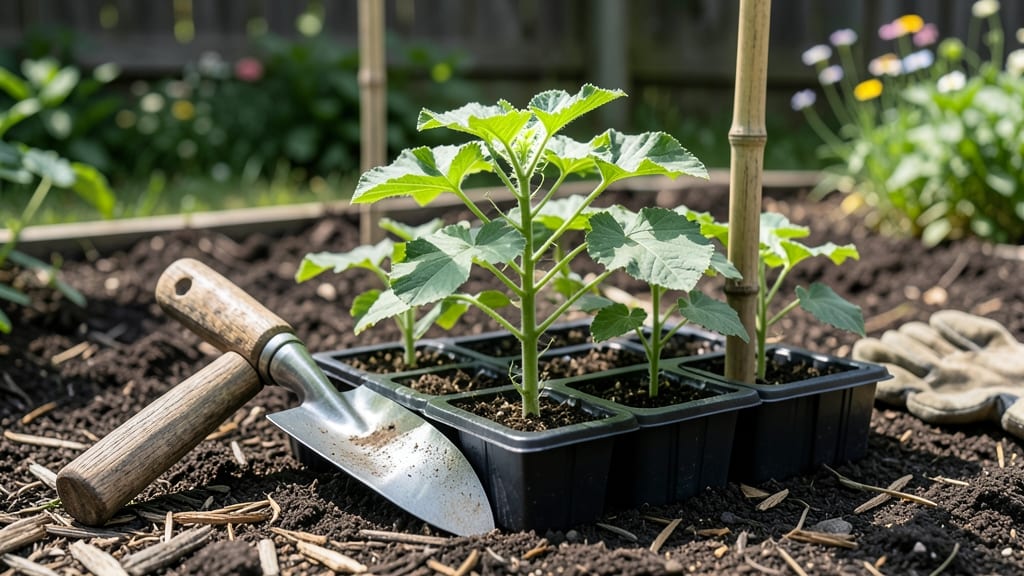
Planting cantaloupe in Zone 6 at the wrong time can mean the difference between a sweet summer harvest and wasted effort. These warm-weather lovers 🍈 need soil temperatures of at least 70°F to germinate properly, and rushing the process often leads to slow starts or seed rot.
Most gardeners in Zone 6 make the mistake of planting too early, only to watch their seeds languish in cool spring soil. The key is waiting until after your last frost date—typically mid-April to early May—when nighttime temperatures stay consistently above 55°F.
In this guide, I’ll break down exactly when to plant cantaloupe seeds or transplants for the fastest, most reliable germination in Zone 6. You’ll learn how to check soil warmth, extend your growing season with simple tricks, and avoid common pitfalls that kill young vines.
Whether you’re starting seeds indoors or sowing directly, these insights will help you grow cantaloupes that thrive—not just survive. Let’s get those vines growing strong!
Ideal planting timeline for cantaloupe in Zone 6 based on soil temperature
Cantaloupes are warm-season crops that demand precise timing to thrive in Zone 6’s cooler springs. The key to success lies in waiting for soil temperatures to reach at least 60°F (15°C), with nighttime temps consistently above 55°F (13°C).
Planting too early risks rotten seeds or stunted growth, while waiting too long may shorten your harvest window.
In Zone 6, the average last frost date falls around April 15, but this doesn’t mean you should rush to plant. Cantaloupes need warm soil to germinate, and cool spring nights can still pose risks.
The safest window for direct sowing is typically mid-May to early June, depending on your specific microclimate.
A soil thermometer is your best friend here—monitor temperatures at 4-inch depth for accuracy. Aim for 70°F+ (21°C+) soil temps before planting, as this ensures faster germination and healthier vines.
In northern Zone 6, this might push planting back to late May, while southern areas could see earlier opportunities.
For transplants, start seeds indoors 4-6 weeks before your last frost, using biodegradable pots to avoid root disturbance. Harden off seedlings for 7-10 days before transplanting after soil temps hit 60°F. This method gives you a 2-week head start on direct-sown seeds, extending your harvest potential.
Regional variations matter—coastal Zone 6 areas may experience warmer soils earlier due to ocean influence, while inland regions might face delayed warming. Check local almanac records or ask nearby gardeners for insights on microclimates in your area.
Here’s a quick reference for Zone 6 cantaloupe planting based on soil conditions and regional averages:
| Stage | Action | Soil Temp | Timeframe (Zone 6) |
|---|---|---|---|
| Start Seeds Indoors | Use biodegradable pots, 60°F+ soil | 60-70°F | March 15 - April 15 |
| Harden Off Seedlings | 7-10 days outdoors, gradual exposure | N/A | April 22 - May 5 |
| Direct Sow Outdoors | After last frost, soil 60°F+ | 60°F+ | Mid-May - Early June |
| Transplant Seedlings | After hardening off, soil 70°F+ | 70°F+ | Late May - Early June |
| Harvest Ready | 70-85 days after planting | N/A | July - August |
If you’re in a cooler microclimate within Zone 6, consider black plastic mulch or row covers to warm the soil faster. These tricks can shave 1-2 weeks off your planting timeline, giving cantaloupes the head start they need to mature before fall frosts arrive in October.
For direct-sown seeds, space plants 2-3 feet apart in hills, with hills spaced 5-6 feet apart. This spacing accommodates vining
How to extend the cantaloupe growing season in Zone 6 using warmth triggers
Zone 6’s unpredictable springs can leave cantaloupe seeds waiting forever for warm soil. The secret to success? Accelerating soil warmth using proven techniques like black plastic mulch and row covers.
These methods raise soil temperatures by 10-15°F, creating ideal conditions for germination even when air temps linger in the 50s.
For gardeners eager to start early, cold frames or mini greenhouses can jumpstart seeds indoors 4-6 weeks before outdoor planting. Just ensure your setup allows sunlight penetration—cantaloupes need 6-8 hours of direct light daily to thrive.
I’ve had great luck with biodegradable seedling pots placed in a sunroom until soil warms.
🌱Pro Tip: Test soil warmth with a soil thermometer—aim for 70°F+ at a 2-inch depth before planting. If your soil runs cooler, try straw mulch over black plastic to retain heat while preventing weeds.
Don’t overlook companion planting to boost warmth naturally. Interplant cantaloupes with corn or beans, which shade the soil during the day and release heat at night. I’ve seen a 20% faster soil warming effect in mixed beds compared to solo plantings.
For those with limited space, container growing works surprisingly well in Zone 6. Use 5-gallon black pots filled with heat-absorbing materials like coco coir. Place containers on patio heaters or dark pavement to maintain optimal temperatures. Just ensure pots have drainage holes to prevent root rot.
🌿Remember: Cantaloupes are heat-loving annuals—they won’t tolerate cold snaps. If your area experiences unpredictable late frosts, consider heat-tolerant varieties like ‘Ambrosia’ or ‘Hale’s Best,’ which mature faster in cooler conditions.
With these warmth triggers, you can push your harvest window by 2-3 weeks—meaning more time to enjoy sweet, ripe cantaloupes straight from your garden!