
Companion Plants
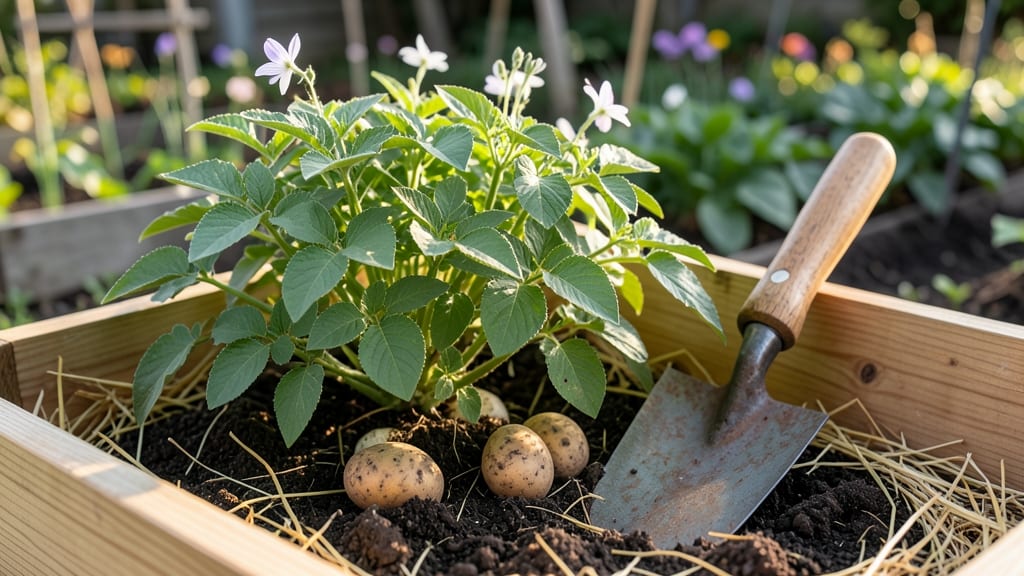
Planting potatoes in Zone 8 at the wrong time could leave you with a garden full of dirt instead of crisp, golden spuds—so timing is everything.
Unlike cooler climates, Zone 8’s mild winters and long growing season give you two chances to succeed: an early spring window or a fall planting opportunity.
The key is waiting for soil temperatures to hit 45-50°F—too early, and frost will stall growth; too late, and your harvest arrives just as summer heat sets in.
I’ll break down exactly when to plant for your specific sub-region (8a vs. 8b) and how to prep your soil for maximum success.
You’ll also discover which potato varieties thrive in Zone 8’s climate, how to chit your seed potatoes for a head start, and why spacing matters more than you think. Let’s turn your planting calendar into a harvest timeline that actually works.
Whether you’re a first-time gardener or a seasoned grower, these insights will help you avoid common mistakes and grow more potatoes with less guesswork. Ready to dig in?
Optimal planting dates for potatoes in Zone 8 based on soil temperature
In Zone 8, potatoes thrive when planted during two key windows: early spring (February-March) or fall (September-October). The secret to success? Soil temperature—potatoes need 45-50°F soil to sprout consistently. Planting too early risks frost damage, while waiting too late cuts your harvest window short.
Most Zone 8 gardeners aim for February-March planting to align with the last frost (typically January 15 in 8a and February 1 in 8b). However, fall planting (September-October) is also viable for varieties that mature in 90-120 days, letting you harvest before winter sets in.
Here’s the critical rule: Never plant potatoes when soil temps drop below 40°F—they’ll rot before sprouting. Use a soil thermometer (just $10 at garden centers) to check depth at 4 inches—this is where roots will form.
If your soil is still chilly, wait 1-2 weeks or use black plastic mulch to warm it faster.
Zone 8 has subtle regional differences that matter. In cooler microclimates (like Tennessee’s higher elevations), stick to early March planting. Meanwhile, warmer areas (like Southern California’s coastal zones) can start as early as late January—just confirm your last frost date!
Pro tip: Chit your seed potatoes (sprout them indoors in light) 2-3 weeks before planting to jumpstart growth. This shaves critical days off your growing season, especially for late starts.
If you’re in Zone 8a (colder end), prioritize early-maturing varieties (60-90 days) for spring planting. Zone 8b gardeners have more flexibility—you can even try two plantings: one in February and another in September for a fall harvest.
| Planting Window | Soil Temp Requirement | Zone 8a Dates | Zone 8b Dates | Risk if Missed |
|---|---|---|---|---|
| Early Spring | 45-50°F | Feb 15 - Mar 15 | Feb 1 - Mar 10 | Frost damage to sprouts |
| Fall | 50-55°F | Sep 15 - Oct 15 | Sep 1 - Oct 10 | Harvest before first frost |
| Late Spring (Backup) | 50-55°F | Apr 1 - Apr 15 | Mar 20 - Apr 1 | Smaller yield, disease risk |
🌱 Pro Tip: Use a soil thermometer to confirm temps before planting!
For Zone 8 gardeners, the last frost date isn’t just about avoiding frost—it’s about soil warmth. Even if the air is above freezing, cold soil will delay sprouting.
Test your soil for 3 consecutive days at 45°F+ before planting. If you’re unsure, err on the side of waiting—potatoes recover better from heat than cold.
One common mistake? Planting too deep (below 4 inches) or too shallow (less than 2 inches). Aim for 2-4 inches deep, with 12 inches between plants and 30 inches between rows. This spacing gives tubers room to swell without crowding, reducing scab disease (a Zone 8 nemesis).
If you’re in Southern California’s Zone 8b, you might even try winter planting (December) for spring harvests—just use black plastic mulch to maintain soil temps. For most of Zone 8, though, stick to the February-March or September-October windows for the best results.
Remember: Potatoes are cool-season crops, but they hate heat stress. If summer temps creep up while your potatoes are growing, mulch heavily with straw to keep soil cool and moist. This is especially critical in Zone 8a’s hotter months (June-August).
Optimal planting dates for potatoes in Zone 8 based on soil temperature
Planting potatoes in Zone 8 requires precision—too early, and frost will kill your sprouts; too late, and your harvest won’t mature before summer heat sets in. The ideal soil temperature for planting is between 45-50°F, which triggers consistent sprouting without stressing the tubers.
In Zone 8, this typically aligns with late winter to early spring (February-March) or early fall (September-October), depending on your sub-region.
For Zone 8a (cooler microclimates like Tennessee or northern Georgia), aim for late February to early March when soil warms to 48°F. In Zone 8b (warmer areas like Southern California or Florida’s panhandle), you can plant as early as mid-January if soil temperatures are stable.
Always test soil temperature with a soil thermometer—never guess!
🌱 Pro Tip: Use the "finger test"—stick your hand in the soil for 5 seconds. If it feels cool but not freezing, it’s likely in the right range.
| Zone 8 Sub-Region | Best Planting Window | Soil Temp Goal | Risks of Wrong Timing |
|---|---|---|---|
| Zone 8a (e.g., Tennessee, Georgia) | Late Feb–Early March | 45–48°F | Frost damage if planted too early; stunted growth if late |
| Zone 8b (e.g., Southern California) | Mid-Jan–Feb or Sept–Oct | 48–50°F | Heat stress if planted late spring; poor tuber set in fall |
| Fall Planting (Both Sub-Zones) | Late Sept–Early Oct | 50–55°F | Harvest too small if planted too late; frost risk if early |
📅 Note: Adjust for microclimates—valleys stay cooler, slopes warm faster.
Regional variations matter! In Southern California, where winters are mild, you can even plant two crops: one in January (harvest by May) and another in September (harvest by December).
Meanwhile, in Tennessee, focus on one spring crop to avoid late-summer heat stress. Always check your local frost dates (via the [USDA Plant Hardiness Map](https://planthardiness.ars.usda.gov/)) to refine your timeline.
Another critical factor is daylength. Potatoes need 12+ hours of daylight to set tubers efficiently. In Zone 8, this means spring planting (when days lengthen) yields better than fall planting in cooler sub-zones.
If you’re planting in September, prioritize fast-maturing varieties (like ‘Red Norland’) to ensure harvest before daylight shortens.
Finally, chitting (pre-sprouting) your seed potatoes 4–6 weeks before planting gives you a 10–14 day head start. Place them in a cool, bright spot (60°F) with indirect light—sprouts will emerge faster, and your plants will establish 2–3 weeks earlier in the garden.
This is especially useful for Zone 8a growers with shorter frost-free windows.
🌡️ Warning: Never plant when soil is below 40°F—potatoes will rot, and sprouts may die back. Use black plastic mulch to warm soil faster if needed.