
Plants
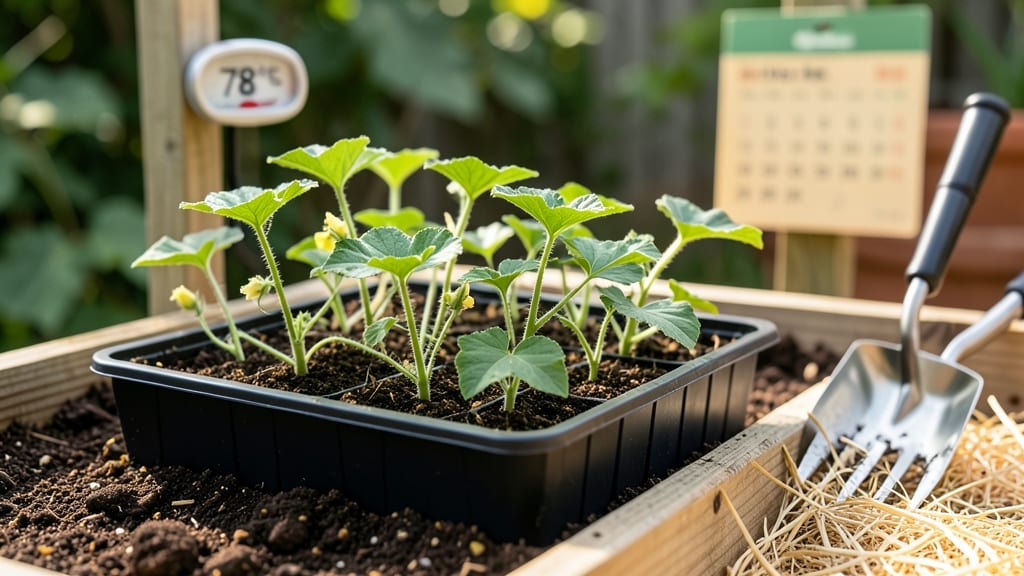
Planting cantaloupe seeds in Texas at the wrong time can mean the difference between a bountiful harvest and wasted effort—especially when scorching summer heat arrives too soon.
The key to success lies in understanding your region’s unique microclimates, where North Texas gardeners might still face late frosts while South Texas growers battle early heat waves.
For juicy, vine-ripened melons 🌱, timing is everything: soil must reach at least 70°F before seeds go in, and waiting too long risks bolting.
I’ll break down the exact planting windows for Dallas, Austin, and Houston, so you can avoid common mistakes that kill yields—like overwatering in clay soil or planting too close to winter crops.
What you’ll discover next are the heat-zone safe start dates tailored to Texas, plus proven strategies to extend your cantaloupe season. Whether you’re battling 100°F+ afternoons or unpredictable spring rains, these tips will help you grow sweeter melons with less stress.
Ready to turn your Texas garden into a cantaloupe oasis? Let’s dive into the perfect planting schedule and tricks to keep your vines thriving—no matter where you are in the Lone Star State.
Texas heat zones: best cantaloupe planting dates by region
Texas’s diverse climate means cantaloupe seeds thrive best when planted at the right time in each heat zone. Unlike northern states, Texas gardeners must balance avoiding frost with preventing heat stress.
Cantaloupes need soil temperatures above 70°F to germinate, but summer’s brutal heat can cause bolting or wilting if planted too late.
North Texas (Dallas/Fort Worth) has cooler springs and earlier last frost dates (around March 15), while South Texas (Houston/San Antonio) can plant as early as February 1. Central Texas (Austin) falls in between, with ideal planting windows aligning with USDA Zone 8a.
Always check your local last frost date—cantaloupes cannot tolerate frost at any stage.
Here’s how to align your planting with Texas’s regional heat zones for maximum yield. The key is soil warmth, not just air temperature—use a soil thermometer to confirm 70°F+ before sowing.
| Region | Last Frost Date | Ideal Planting Window | Soil Temp Requirement | Harvest Window |
|---|---|---|---|---|
| North Texas (Dallas/Fort Worth) | March 15 | April 15–May 1 | 70°F+ (use black plastic mulch) | July–August |
| Central Texas (Austin) | February 28 | March 15–April 15 | 70°F+ (natural warmth suffices) | June–September |
| South Texas (Houston/San Antonio) | January 31 | February 1–March 15 | 75°F+ (shade cloth for seedlings) | May–August |
| West Texas (El Paso) | March 1 | April 1–May 1 (high desert) | 75°F+ (irrigate heavily) | June–July |
🌱 Pro Tip: For North Texas, use row covers to warm soil faster if planting early.
In North Texas, aim for April 15–May 1 to avoid late spring frosts while giving vines time to mature before summer’s peak heat. Central Texas gardeners can start as early as March 15, but monitor soil temps—60°F soil slows germination. South Texas benefits from earlier planting (February 1), but use shade cloth (30–50%) for seedlings to prevent heat stress.
West Texas presents unique challenges due to high desert conditions. Plant April 1–May 1 and prioritize deep watering to compensate for low humidity. Cantaloupes in this region often bolt prematurely—choose heat-tolerant varieties like ‘Athena’ or ‘Hale’s Best’ to improve success rates.
For all regions, transplant seedlings after true leaves form (not just cotyledons) to reduce transplant shock. Harden off seedlings for 5–7 days before moving them outdoors. Direct sowing is ideal in Texas’s heat, but if starting indoors, use grow lights to maintain 14-hour daylight cycles.
Missed the spring window? Try a fall planting in North and Central Texas (late July–August), but avoid planting after June 15 in South Texas—summer’s intensity will overwhelm young plants.
Always test soil pH (6.0–6.8) and amend with compost to improve drainage, especially in clay-heavy soils common in East Texas.
Use USDA’s Plant Hardiness Zone Map for Texas to cross-reference your location. For example, Austin (Zone 8a) has a longer growing season than Dallas (Zone 8b), allowing for two potential plantings if managed carefully. Heat-tolerant varieties like ‘Ambrosia’ or ‘Minnesota Midget’ are excellent choices for Texas’s intense summers.
Remember: Cantaloupes need space—plant 2–3 feet apart in hills or mounds to improve drainage. In South Texas, raised beds with drip irrigation can extend the season by 2–3 weeks compared to in-ground planting. Always mul
Texas heat zones: best cantaloupe planting dates by region
Texas spans three distinct heat zones that drastically affect cantaloupe planting success. North Texas (Dallas/Fort Worth) has cooler springs, while Central Texas (Austin) and South Texas (Houston/San Antonio) bake earlier. The key? Soil temperature must reach 70°F+—cantaloupes refuse to germinate in cold soil.
Missed the spring window? Don’t panic! Fall planting works in South Texas, where first frost arrives after October. But timing is critical—plant too late, and vines struggle to mature before winter chills. Let’s break down your region’s ideal planting windows and soil prep secrets.
| Region | Last Frost Date | Best Planting Window | Soil Temp Threshold |
|---|---|---|---|
| North Texas (Dallas/Fort Worth) | Mid-March | April 15–May 15 | 70°F+ (consistent) |
| Central Texas (Austin) | Late February | March 15–April 30 | 70°F+ (earlier in South Austin) |
| South Texas (Houston/San Antonio) | Mid-January | February 15–March 30 (Spring) OR August 1–September 15 (Fall) | 75°F+ (fall planting) |
For North Texas gardeners, wait until mid-April to avoid late frosts. Central Texas can start earlier, but South Texas has the luxury of two planting seasons. The trick? Black plastic mulch warms soil faster—drop it 2 weeks before planting to jumpstart germination.
Don’t overlook microclimates. A south-facing raised bed in Dallas might warm up 2 weeks earlier than your yard. Test soil temps at 4-inch depth for 3 days—if it’s consistently 70°F+, it’s go time. Patience here prevents bolting (premature flowering) from heat stress.
Once planted, water deeply but infrequently—Texas clay holds moisture, but cantaloupes hate soggy roots. Aim for 1–2 inches per week, tapering off as fruits swell. Mulch heavily with straw to lock in moisture and block weeds. With these tweaks, your vines will thrive even in 100°F+ summers.
Need a backup plan? Start seeds indoors 3–4 weeks before your region’s last frost, then transplant seedlings when soil hits 70°F. Just avoid hardening off during heatwaves—shocked plants wilt faster. Shade cloth (30–50%) helps during transplant shock in early spring.
Remember: Texas cantaloupes ripen fastest in consistent heat. If summer arrives early, prioritize shade cloth and drip irrigation to prevent stress. With the right timing, you’ll harvest sweet, vine-ripened melons by July or August—just in time for summer picnics! 🌞