
Plants
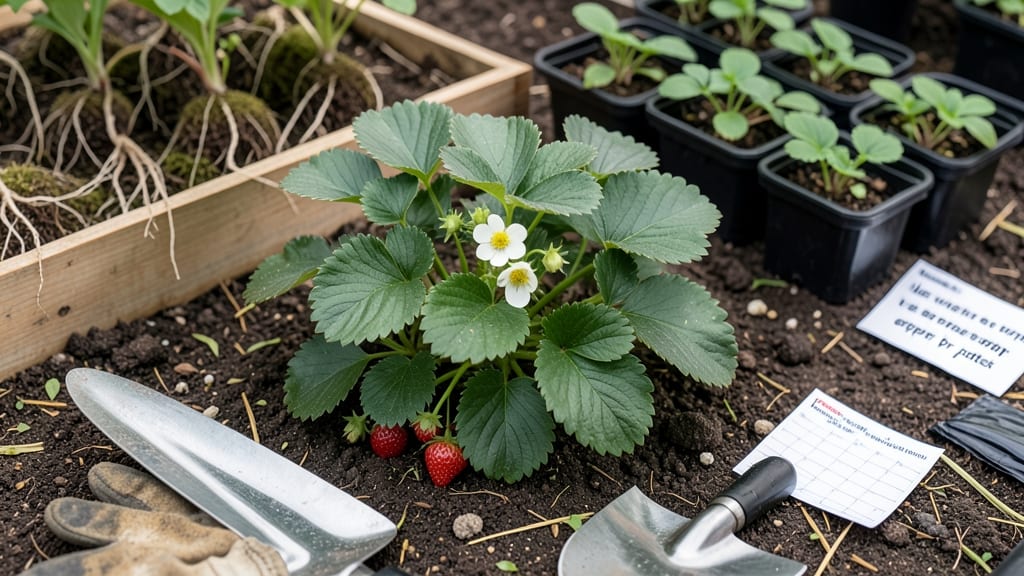
Planting strawberries at the right time in Kansas means the difference between a bumper crop of sweet 🍓 and a disappointing harvest—or worse, losing your plants to frost. With Kansas' unpredictable spring weather and varying USDA zones 5b-7a, knowing when to plant is the key to success.
Most Kansas gardeners swear by spring planting between March and May, but fall planting in August or September can give you an early jump on next year's harvest. The trick lies in timing it so your plants establish roots before winter sets in—or before summer's heat arrives.
In this guide, I'll break down the perfect planting windows for June-bearing varieties, soil prep tips, and how to protect your strawberries from late frosts. Whether you're in Wichita or Kansas City, these strategies will help you grow the most flavorful, abundant strawberries your garden has ever seen.
Ready to dig in? Let's make sure your strawberries get off to the best possible start—no matter what Kansas throws your way this season.
Best planting months for June-bearing strawberries in Kansas
Kansas’ USDA Zones 5b-7a create a unique challenge for strawberry growers. Unlike coastal regions, our dry climate and variable frost dates demand precise timing. June-bearing varieties—like 'Chandler' or 'Honeoye'—need 12-14 weeks of cool weather to establish roots before fruiting.
Plant too early, and frost zaps tender shoots; too late, and summer heat stunts growth.
For spring planting (the most common method), aim for March through early May, once soil temperatures hit 45°F (7°C). In northern Kansas (Zones 5b-6a), start in late March to April to avoid late frosts.
Southern Kansas (Zones 6b-7a) can plant as early as February in protected beds, but watch for unpredictable cold snaps.
Fall planting offers a second chance for Kansas gardeners. Plant bare-root crowns in August or early September, allowing roots to establish before winter dormancy. This method extends harvest windows into September-October and reduces spring competition from weeds. Just ensure plants have 6-8 weeks to root before first frost.
Here’s how Kansas’ microclimates affect timing:
- Wichita (Zone 7a): Plant February-March or August-September
- Kansas City (Zone 6a): Plant March-April or late August
- Hays (Zone 5b): Plant April-May only (fall planting risky)
| Planting Window | Soil Temp Threshold | Kansas Region | Key Consideration |
|---|---|---|---|
| March 15–April 15 | 45–50°F (7–10°C) | Northern KS (Zones 5b-6a) | Avoid late frost; use row covers |
| February 15–March 30 | 40–45°F (4–7°C) | Southern KS (Zones 6b-7a) | Warmer soil speeds root growth |
| August 1–September 15 | 50–60°F (10–15°C) | All regions | 6+ weeks before frost; mulch heavily |
For container gardening in Kansas, extend your window by 2-3 weeks. Pots warm up faster in spring, letting you plant bare-root crowns in February if using heat mats. Just ensure containers have drainage holes to prevent root rot in Kansas’ clay-heavy soils.
Missed the spring window? Don’t panic—fall planting can still yield 60-70% of a spring harvest. Focus on disease-resistant varieties like 'Seascape' (everbearing) or 'Albion' (June-bearing) for fall success. These tolerate Kansas’ dry winds better than traditional types.
Remember: June-bearing strawberries produce one massive crop in June-July (spring-planted) or September-October (fall-planted). Proper timing ensures you’re not left with blossoms instead of berries due to heat stress. Next, we’ll cover adjusting for Kansas’ unpredictable weather—including frost protection and drought strategies.
☀️
Best planting months for June-bearing strawberries in Kansas
Kansas gardeners must time their strawberry planting carefully to avoid late spring frosts or missed harvest windows. The best planting months depend on whether you’re planting in spring or fall, with Kansas’ USDA Zones 5b-7a offering specific opportunities.
For most regions, March through May is ideal for spring planting, while August to September works for fall.
In northern Kansas (e.g., Wichita), where frosts linger longer, aim for late April to early May to ensure soil temperatures stay above 40°F. Southern Kansas (e.g., Kansas City) can start as early as mid-March if the ground isn’t frozen.
Fall planting should wrap up by mid-September to allow roots to establish before winter.
Soil temperature is critical—wait until it reaches at least 40°F for spring planting. Use a soil thermometer to check, as cold soil can stunt root growth. For fall, plant 6-8 weeks before the first frost (typically mid-October in most of Kansas).
| Planting Window | Ideal Months | Soil Temp Requirement | Kansas-Specific Notes |
|---|---|---|---|
| Spring Planting | March–May | 40°F+ | Northern KS: Wait until after April 15; Southern KS: Can start mid-March. |
| Fall Planting | August–September | 50°F+ | Complete by mid-September for root establishment before frost. |
For container gardening, you can push the envelope slightly—planting as late as early June in containers may still yield a small harvest. However, in-ground plants need the full growing season to establish and fruit.
Always check local frost dates (e.g., via Kansas State University Extension) for your specific county.
Pro tip: If spring weather is unpredictable, use row covers to protect young plants from late frosts. For fall plantings, apply a 4-inch layer of mulch after planting to insulate roots during winter. This extra care ensures your June-bearing strawberries thrive despite Kansas’ variable climate.
Timing your planting correctly means the difference between a bountiful harvest and a disappointing yield. With these windows in mind, you’re ready to plant with confidence—just don’t forget to space plants 12-18 inches apart for optimal growth! 🌱