
Plants
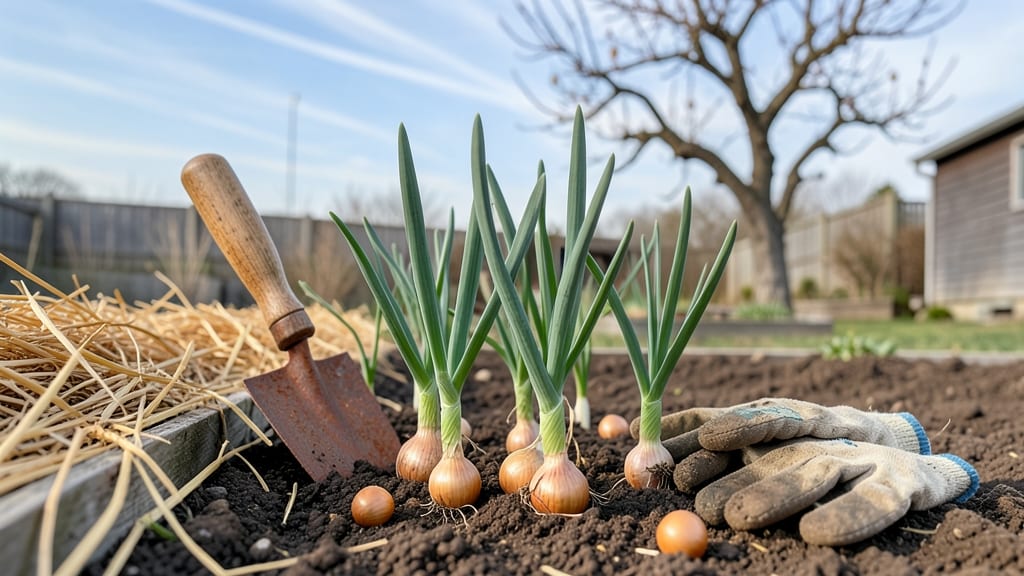
Planting onions in Missouri at the wrong time can leave you with bitter, stunted 🧅 bulbs—or worse, no harvest at all. Unlike some crops, onions demand precision timing to thrive in Missouri’s 5b-6a climate, where frost dates shift yearly and humidity plays tricks on growth.
Most gardeners here face the same dilemma: Should I plant in spring for a summer harvest or go for fall’s earlier start?
The answer depends on your last frost date (usually around April 15) and whether you’re growing short-day varieties like ‘Candy’ or long-day types that need cooler temps to bulb properly.
I’ve tested both methods in Missouri’s soil, and the key isn’t just memorizing dates—it’s understanding how soil temperature and day length interact. Spring plantings give you bigger bulbs, while fall onions mature faster but need protection from erratic October frosts.
Ready to avoid the guesswork? I’ll walk you through the exact 4-6 week window before your last frost for spring, plus the 10-12 week lead time needed for fall plantings—so you can finally grow onions that store well and taste sweet, not sharp.
Missouri onion planting timeline: spring vs fall frost dates explained
Missouri’s USDA zones 5b-6a mean your onion planting window hinges on two critical dates: the last spring frost (April 15) and the first fall frost (October 15). These dates create a 165-day frost-free window—just enough time for onions to mature from seed or sets into plump, flavorful bulbs.
For spring-planted onions, aim to sow seeds or sets 4-6 weeks before your last frost. In Missouri, that’s typically mid-March to early April. This timing ensures onions have 90-120 days of warm weather to develop bulbs before summer heat sets in.
Fall planting offers a shorter but reliable harvest. Plant 10-12 weeks before the first frost, or late August to early September. Fall onions often produce sweeter, milder bulbs because they mature during cooler temperatures, avoiding the intense heat of summer.
Missouri’s regional microclimates can shift these dates by 1-2 weeks. For example, St. Louis (Zone 6a) may have a slightly longer frost-free season than Columbia (Zone 5b). Always check your local frost date averages and adjust planting by 1-2 weeks earlier if your area tends toward late frosts.
| Planting Window | Ideal Month | Days to Maturity | Bulb Size | Notes |
|---|---|---|---|---|
| Spring Planting | Mid-March to Early April | 90-120 days | 1-2 inches | Avoid frost; use row covers if late |
| Fall Planting | Late August to Early September | 90-110 days | 1-1.5 inches | Sweeter bulbs; harvest before frost |
| Overwintering Sets | October (hardneck types) | 120-150 days | 1.5-2 inches | Best for storage onions |
If you’re planting from seed, start indoors 8-10 weeks before the last frost (around February) for spring onions. For fall, direct-sow seeds 4-6 weeks before your ideal transplant date to ensure they’re large enough to handle Missouri’s humidity and heat before cooler weather arrives.
Missouri’s summer heat can stress onions, so always plant in well-draining soil with compost added to retain moisture. Mulch with straw or grass clippings to keep soil temperatures stable and reduce watering needs during June and July.
For hardneck onions (like ‘Yellow Sweet Spanish’), consider planting overwintering sets in October. These onions thrive in Missouri’s cold winters, producing larger bulbs and scallions in spring. Just ensure they’re planted 6-8 weeks before the ground freezes.
Always monitor your garden for early or late frosts. Use row covers or cold frames to protect young plants if temperatures dip below 25°F. With the right timing, you can enjoy fresh onions from spring through fall in Missouri’s variable climate.
Pro tip: Mark your planting dates on a garden calendar and track local frost dates using apps like Old Farmer’s Almanac. Adjust your schedule yearly—Missouri’s weather doesn’t follow a script!
How to choose between spring and fall onion planting in Missouri
Deciding whether to plant onions in spring or fall in Missouri depends on your harvest goals and local frost risks. Spring planting gives you a longer growing season, while fall planting lets you harvest earlier.
Let’s break down the pros and cons to help you choose what works best for your garden.
For spring planting, aim for 4-6 weeks before your last expected frost date (usually mid-March to early April). This timing ensures onions mature before summer heat stress.
Fall planting, on the other hand, requires 10-12 weeks before the first frost (typically late August to early September), allowing bulbs to develop before winter slows growth.
Your choice also hinges on soil temperature. Onions thrive in 40-65°F soil. Spring soil warms gradually, while fall soil cools quickly—so act fast! Use a soil thermometer to confirm readiness before planting.
- Longer growing season (harvest in late June-July)
- Better bulb size (more time to mature)
- Fewer pests (avoids summer bugs)
- Risk of bolting if planted too early
- Summer heat stress can reduce quality
- Requires more water during dry spells
- Earlier harvest (ready by September-October)
- Cooler soil temps reduce bolting risk
- Less water needed as fall rains increase
- Smaller bulbs (less time to mature)
- Frost sensitivity if planted too late
- Limited variety options for fall success
Missouri’s microclimates add another layer of complexity. Areas like Kansas City (USDA Zone 6a) have earlier frosts than St. Louis (Zone 6b), so adjust your timeline accordingly. If you’re unsure, opt for spring planting—it’s more forgiving for beginners.
To prep onions for transplanting, start with healthy sets or seeds. Soak sets in water for 6-12 hours before planting to encourage root growth. Amend your soil with compost for better drainage, as onions hate soggy roots.
Space sets 4-6 inches apart in rows 12-18 inches apart to prevent crowding.
Pro tip: Use row covers in early spring or late fall to extend your growing season. These lightweight fabrics shield young plants from light frosts (down to 25°F) while still allowing sunlight and water through. Just remove them once temperatures stabilize.
Whether you choose spring or fall, consistent moisture is key. Water deeply once a week (more in summer) and avoid wetting the foliage to prevent disease. With the right timing and care, you’ll enjoy homegrown onions all season long! 🧅