
Plants
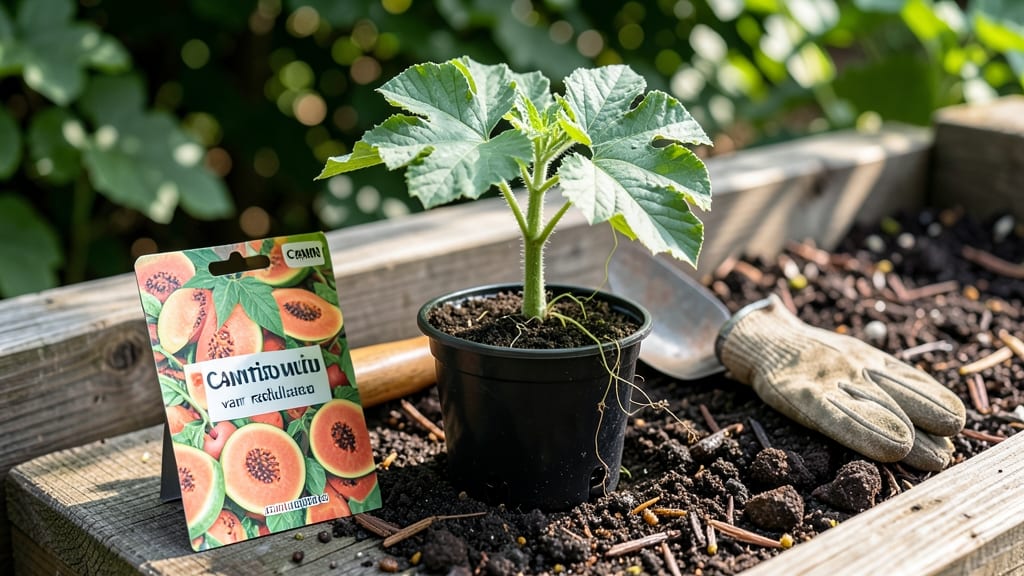
Planting cantaloupe in Indiana means timing is everything—get it wrong, and you might end up with bitter fruit or no harvest at all. The sweet, fragrant 🍈 you dream of thrives when planted after the last frost, but Indiana’s varying microclimates complicate things.
In most of the state, like in USDA Zone 6a, your best bet is to wait until mid-April to mid-May, once soil temperatures hit at least 70°F. That’s when the ground warms enough for seeds to sprout reliably, and the risk of frost fades.
But if you’re in Northern Indiana, where springs linger cooler, you might need to push planting back another week or two.
Direct-sowing is the easiest method for most gardeners, but if you’re eager to jumpstart the season, starting seeds indoors 4-6 weeks before the last frost can give you a head start. Just be ready to transplant carefully once the weather cooperates.
Want to maximize your harvest? I’ll show you how to adjust for Indiana’s unpredictable springs, choose the right cantaloupe varieties, and even extend your growing window with simple tricks. Let’s get those vines thriving!
Indiana’s frost-free dates by region: best planting windows for cantaloupe
Indiana’s diverse climate means cantaloupe planting windows vary dramatically from Northern to Southern regions. The Hoosier State spans USDA Zones 5-6, with last frost dates ranging from late April in the south to early June in the north.
To maximize your cantaloupe harvest, align your planting with your local microclimate.
For Northern Indiana (e.g., Gary, Fort Wayne), where frost lingers longer, wait until after May 15 to plant seeds outdoors. In Central Indiana (Indianapolis), you can start as early as April 20 for early varieties. Southern Indiana (Evansville, Vincennes) enjoys warmer soils earlier, allowing mid-April plantings for fast-maturing types.
🌱
| Region | Last Frost Date | Seed Planting Window | Soil Temp Requirement |
|---|---|---|---|
| Northern (Zone 5) | May 15-June 1 | May 20-June 5 | 70°F+ |
| Central (Zone 5b-6a) | April 20-May 5 | April 25-May 15 | 65°F+ |
| Southern (Zone 6b) | April 1-May 10 | April 10-May 1 | 60°F+ |
Always verify your local frost dates using the Indiana State Climate Office or Purdue Extension resources, as microclimates can shift planting windows by weeks. For example, urban heat islands in Indianapolis may allow earlier plantings than rural areas.
If you’re starting cantaloupe indoors, begin seeds 4-6 weeks before your region’s last frost date. Use biodegradable pots to avoid transplant shock when moving seedlings outdoors. Transplants can also be purchased from local nurseries in late April for Central/Southern Indiana.
For Northern Indiana gardeners, consider row covers or black plastic mulch to warm soil faster and extend the growing season. These techniques can push your planting window 2-3 weeks earlier without risking frost damage to tender cantaloupe seedlings.
🌡️
Remember that cantaloupes need warmth to thrive—soil temperatures below 60°F slow germination dramatically. Use a soil thermometer to confirm readiness; 70°F+ is ideal for planting.
In Southern Indiana, you might even squeeze in two plantings: one in early April for fast varieties and another in late May for a fall harvest.
Pro tip: Mark your calendar for July-August harvests, when Indiana’s summer heat peaks. Cantaloupes ripen fastest in 80-90°F temperatures, so timing your planting for late spring ensures you’ll enjoy homegrown fruit at its sweetest.
☀️
How to extend your cantaloupe growing season in Indiana’s unpredictable spring
Indiana’s unpredictable spring frosts can throw off even the most careful gardening plans. Cantaloupes are warm-season crops that need consistent temperatures above 60°F to thrive, so extending your growing season is key—especially in Northern Indiana where frosts linger later.
The good news? With a few smart strategies, you can push your harvest window by weeks.
Start by using black plastic mulch to warm the soil faster. Lay it down 2-3 weeks before planting to create a 5-10°F warmer microclimate—critical for cantaloupes, which need soil temps of at least 70°F to germinate.
This simple trick can shave 2-3 weeks off your waiting time for ideal conditions.
For extra protection, cover young plants with floating row covers or lightweight fabric until nighttime temps stay above 50°F. These barriers shield tender seedlings from late frosts while still allowing sunlight and airflow. Pair them with sturdy hoops for easy removal as plants mature.
If you’re in Northern Indiana (USDA Zone 5), consider starting cantaloupe seeds indoors 3-4 weeks before your last frost date. Use biodegradable pots to avoid transplant shock, and harden off seedlings by placing them outdoors for 2-3 hours daily starting 1 week before transplanting.
Aim to move them into the garden by May 15—this gives vines enough time to establish before summer heat arrives.
For gardeners in Southern Indiana, where springs arrive earlier, you can direct-sow seeds as soon as soil temps hit 70°F, typically by mid-April.
However, always have row covers ready in case late frosts sneak in. The key is balancing early planting with frost protection to maximize your harvest window.
Don’t forget to monitor local frost forecasts from the Indiana State Climate Office or Purdue Extension. These resources provide real-time updates that can help you adjust your planting schedule. With these strategies, you’ll turn Indiana’s unpredictable spring into your cantaloupe’s perfect growing season.