
Plants
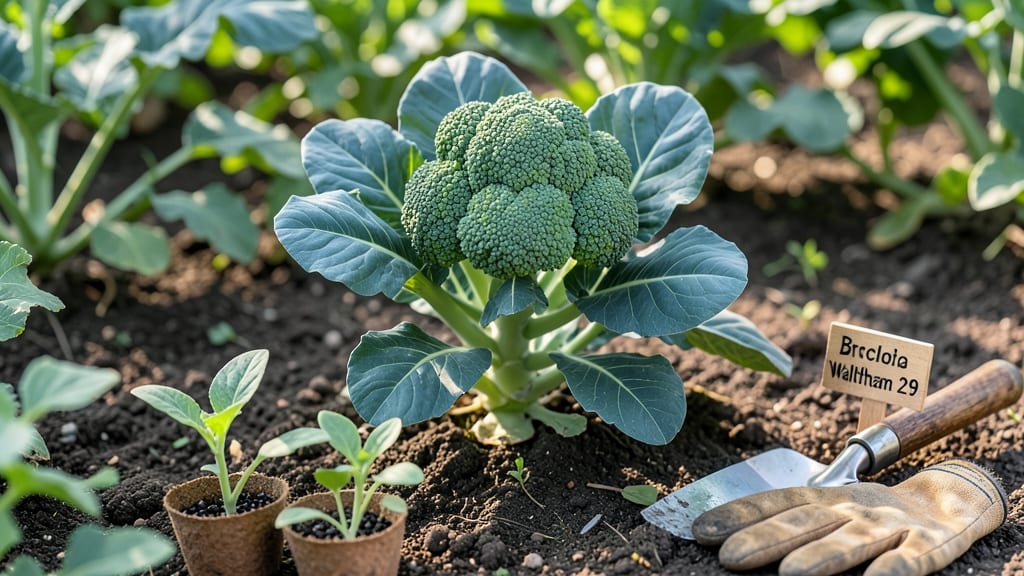
Planting broccoli 🥦 at the wrong time in Zone 6b can turn your dream harvest into bitter, bolted disappointment—and the difference between success and failure often comes down to those first few weeks before your last frost.
If you've ever wondered why some gardeners get perfect heads while others struggle, the answer lies in understanding your local climate. In Zone 6b, where frost lingers until mid-April and returns by mid-October, timing isn't just important—it's everything.
I'll show you exactly when to plant for those crisp, flavorful heads you crave.
Most gardeners focus only on spring planting, but Zone 6b actually offers two prime windows—early spring and late summer—that work beautifully if you follow the right schedule.
We're talking about 4-6 weeks before your last frost date for spring, with soil temperatures playing a surprisingly big role in getting those seedlings off to the right start.
Ready to skip the guesswork? Let's break down the exact weeks you should plant, how to prepare your soil, and why transplanting at the right time makes all the difference for your broccoli's growth. Your future harvest depends on getting this right—and I've got you covered.
Exact weeks before last frost for planting broccoli in Zone 6b
In Zone 6b, where the average last frost date is April 15, timing your broccoli planting is critical. The key is to plant 4-6 weeks before that date for spring crops—typically between March 15 and April 1.
This window ensures seedlings aren't shocked by late frosts while giving them enough time to mature before summer heat arrives.
For fall harvests, aim to plant 8-10 weeks before the first frost (October 15), which lands in late August. Fall-planted broccoli thrives in cooler temperatures and often produces sweeter, more tender heads. Both windows rely on soil temperatures staying above 40°F (4°C) to prevent stunted growth.
Here’s how to align your planting with Zone 6b’s climate quirks:
For direct sowing, start seeds indoors 6-8 weeks before your target outdoor date. This gives seedlings a head start, especially if your Zone 6b spring arrives late. Harden off seedlings for 7-10 days before transplanting—acclimating them to outdoor conditions prevents shock.
If you’re using transplants, choose 4-6 week old seedlings from a nursery. Look for sturdy stems and vibrant leaves—avoid leggy or yellowing plants, as they struggle to recover. Space transplants 18-24 inches apart to allow airflow, reducing disease risk in Zone 6b’s humid summers.
One common misstep is planting broccoli too early in cold, wet soil. Soil temperatures below 40°F (4°C) stunt germination, leading to weak seedlings. Use a soil thermometer to confirm readiness—wait until temperatures consistently stay above 45°F (7°C) for reliable growth.
In Zone 6b, broccoli’s harvest window spans May-June for spring and October-November for fall. To maximize yields, stagger plantings every 2-3 weeks during both windows. This succession planting ensures a continuous supply of fresh heads while avoiding the "all-at-once" harvest trap.
Pro tip: Mulch heavily after planting to retain moisture and regulate soil temperature. A 3-inch layer of straw or shredded leaves keeps roots cool in summer and insulated in fall. This is especially critical in Zone 6b, where temperature swings can stress broccoli plants.
Finally, monitor your broccoli’s growth stages. If heads form too early (before 50 days), they’ll bolt in summer heat. Conversely, late-season plants may struggle to mature before frost. Adjust your planting dates yearly based on your garden’s microclimate—some Zone 6b areas may need slight shifts from the averages.
Exact weeks before last frost for planting broccoli in Zone 6b
In Zone 6b, where the average last frost date is April 15, timing your broccoli planting is critical. The key is to start seeds or transplants 4-6 weeks before that date—typically between March 15 and April 1.
This window ensures seedlings emerge when soil temperatures hit 40°F+ but avoid the risk of spring frost damage.
For a fall harvest, aim to plant broccoli 8-10 weeks before the first frost (October 15), which translates to August 1-15. Fall-planted broccoli benefits from cooler temperatures and often produces sweeter, more tender heads before winter sets in.
Here’s the soil temperature rule: Broccoli seeds need soil at 40°F+ to germinate, but transplants thrive in 50°F+ soil. Use a soil thermometer to check—cold, wet soil can stunt growth or invite disease.
| Planting Window | Weeks Before Frost | Soil Temp Requirement | Transplant Tip |
|---|---|---|---|
| Spring | 4-6 weeks | 40°F+ (seeds), 50°F+ (transplants) | Hardy transplants can go in 2 weeks earlier than seeds |
| Fall | 8-10 weeks | 50°F+ (transplants only) | Choose fast-maturing varieties like 'De Cicco' |
🌱 Pro Tip: Use row covers to extend spring planting by 2 weeks
If you’re direct sowing, start seeds indoors 6-8 weeks before the last frost date to give them a head start. Transplant seedlings outdoors when they’re 3-4 inches tall and hardy enough to handle Zone 6b’s cooler nights.
For transplants, buy from nurseries in late March—just ensure they’re cold-hardy varieties like 'Waltham 29' or 'Calabrese'.
One common mistake is planting too early in cold, wet soil, which can rot seeds. To test soil readiness, press your finger into the ground—if it crumbles easily, it’s ready. If not, wait another week or use black plastic mulch to warm the soil faster.
For fall broccoli, prioritize fast-maturing varieties (50-60 days to harvest) to avoid bolting before frost. Succession plant every 2 weeks in August for a staggered harvest through October. And always mulch heavily to insulate roots from early frost.