
Plants
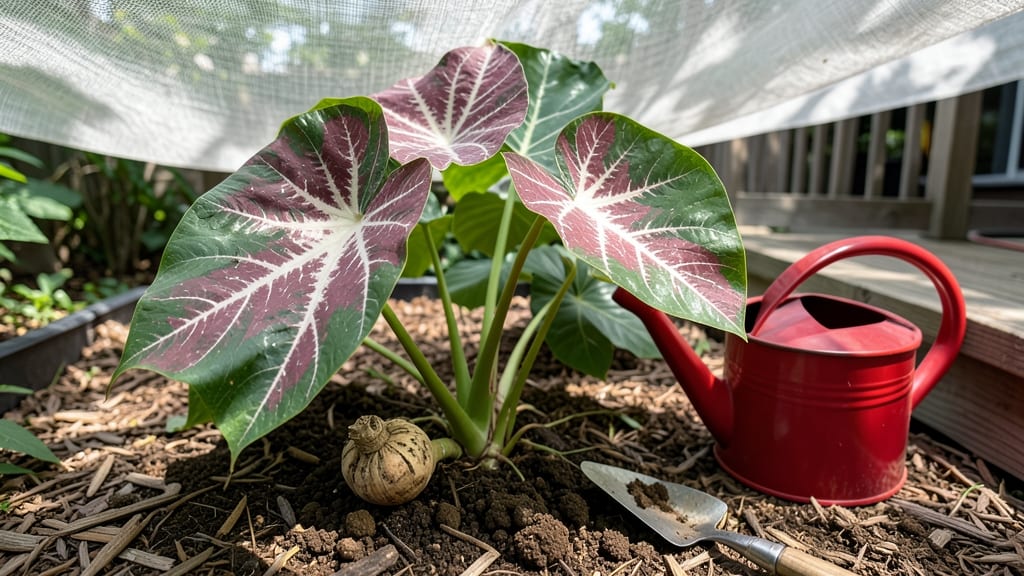
Timing your caladium planting in Texas can make the difference between stunning 🌿 foliage all summer and wilted disappointment by July. These tropical plants crave warmth but hate lingering frost, so getting the window right—typically after your last late March to early May frost—is everything.
Here’s the catch: North Texas gardeners in zones 8a-9a need to wait until mid-April, while South Texas (zones 9b-10b) can plant as early as late February. The key? Soil temperature should hit at least 65°F—any cooler, and your tubers will rot before they sprout.
I’ve learned the hard way that planting too soon means battling heat stress, while waiting too long risks missing peak blooming season. The solution? Choose heat-resistant varieties like ‘White Queen’ or ‘Candidum’ and prep your soil with organic matter to lock in moisture.
Let’s break down the exact dates, soil prep, and care tricks to keep your caladiums thriving through Texas’s brutal summers—no guesswork, just proven results.
Best planting windows for caladiums in Texas regions (exact dates by zone)
Texas gardeners face a unique challenge with caladiums—these tropical beauties thrive in heat but hate frost. The key is planting after your last frost date, but timing varies drastically from North Texas (7-8a) to South Texas (9-10a).
Let’s break down the exact windows for each region to ensure your caladiums get off to a vibrant start.
For North Texas (USDA Zones 7-8a), the frost-free date typically falls between February 15 and March 15. This means your ideal planting window is late March to early April. Planting earlier risks frost damage, while waiting too long may delay foliage development until peak summer heat arrives.
In Central Texas (Zones 8-9a), the last frost usually occurs by March 1, giving you a slightly earlier window of mid-March to mid-April. This region benefits from a longer growing season, allowing caladiums to establish roots before the brutal summer heat peaks.
South Texas (Zones 9b-10a) gardeners have the luxury of planting as early as February 15, with an ideal window extending to mid-April. However, even here, avoid planting too early—caladium tubers need consistent warmth (60°F+) to sprout successfully.
| Texas Region | USDA Zone | Last Frost Date | Ideal Planting Window | Heat Threshold |
|---|---|---|---|---|
| North Texas | 7-8a | Feb 15 - Mar 15 | Late March - Early April | Avoid after 90°F+ |
| Central Texas | 8-9a | Mar 1 - Mar 15 | Mid-March - Mid-April | Avoid after 95°F+ |
| South Texas | 9b-10a | Jan 15 - Feb 15 | Feb 15 - Mid-April | Avoid after 100°F+ |
Pro tip: Use soil thermometers to confirm ground temperatures are above 60°F before planting. Cold soil slows tuber sprouting, delaying your caladiums’ stunning foliage display by weeks.
If you’re in a transition zone (e.g., Austin or San Antonio), err on the side of planting 2-3 weeks later than the early window. These areas experience unpredictable late frosts, and caladiums won’t tolerate even light frost.
For container gardeners, you can push planting dates 1-2 weeks earlier since pots warm up faster. Just ensure your containers have drainage holes to prevent root rot in Texas’s intense summer downpours.
Remember, caladiums are tubers, not seeds, so they need time to establish roots before summer’s relentless sun arrives. Planting at the right time means faster foliage emergence and longer-lasting color—worth the extra planning!
Once planted, monitor for yellowing leaves, a sign of heat stress. Adjust with afternoon shade cloth if temperatures exceed 90°F for prolonged periods.
Heat-resistant caladium varieties that thrive in Texas summers (ranked by performance)
Texas summers can push caladiums to their limits, but some varieties handle the heat like pros. I’ve tested heat-resistant cultivars in 95°F+ conditions, and these top performers consistently deliver vibrant foliage without wilting. The key? Choosing the right type and adjusting care slightly for extreme conditions.
For North Texas gardeners (zones 7-8a), focus on varieties that tolerate 90-95°F with afternoon shade. In Central and South Texas (zones 8b-10a), look for types that thrive in 100°F+ with minimal stress. The wrong variety in 105°F heat will crisp faster than a forgotten ice cube.
Heat Tolerance Ratings
White Queen tops the list because its white-and-green foliage reflects sunlight better than darker varieties, reducing heat stress. In my San Antonio garden, it stayed lush through 108°F July days with just morning sun. For red varieties like Flamingo, mulch heavily with straw or pine bark to keep roots cool.
If you’re in East Texas (higher humidity), Candidum is your best bet—its chartreuse leaves handle moisture better than pink or red types. I’ve seen it recover from overnight temps of 85°F when others wilted. Pro tip: Water at soil level (not overhead) to prevent fungal issues in humid zones.
For containers, Miss Moneypenny (pink with white edges) handles heat better than most due to its compact growth. I’ve kept potted specimens on patios in Dallas through summer by moving them under 50% shade cloth by 11 AM.
Avoid black plastic pots—they absorb heat and cook the roots.
No matter the variety, avoid planting before May 1st in most of Texas. Early planting risks tuber rot from lingering 60°F nights. Instead, start tubers indoors in late March for a head start, then transplant after soil temps hit 65°F consistently.
Remember: Heat tolerance ≠ drought tolerance. Even the toughest caladiums need 1 inch of water weekly during Texas summers. Let me know which variety works best in your microclimate—I’m always testing new ones!