
Plants
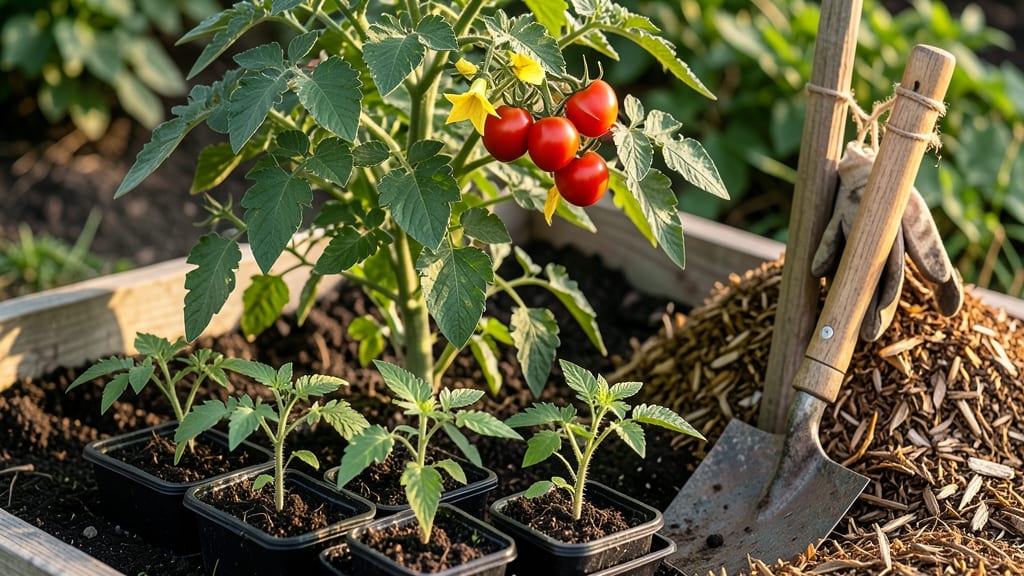
Planting fall tomatoes in North Texas isn’t just about sticking them in the ground—it’s about beating the clock before frost steals your harvest. With the right timing, you can enjoy fresh, vine-ripened 🍅 straight from your garden until December.
But wait too long, and those late-season plants might not survive the chill.
Most gardeners in zone 8a swear by transplanting between late August and early September, when soil temperatures drop but nights stay warm enough to support growth. This window gives your tomatoes 60-80 days to mature before the first frost hits around mid-November.
The key? Start with cold-hardy varieties like 'Cold Set' or 'Mountain Merit' to maximize your chances.
If you’re planting seeds instead of transplants, aim for early September to give them enough time to sprout and establish roots before cooler weather sets in. Seedlings need consistent warmth, so don’t rush—patience here means the difference between a bountiful harvest and a sad, wilted vine.
Ready to extend your tomato season? I’ll walk you through the exact steps to time your planting, choose the right varieties, and protect your plants from early frost. Let’s get those tomatoes growing!
North Texas heat-zone planting dates for fall tomatoes (with frost risk timeline)
North Texas spans USDA Hardiness Zones 8a and 8b, where fall tomato success hinges on precise timing. The average first frost arrives between November 15-30, but urban areas like Dallas often see frost 1-2 weeks earlier than rural spots near Waco.
To maximize your harvest, plant 6-8 weeks before frost—meaning late August to early September for transplants.
For direct-seeded tomatoes, aim for mid-September in Zone 8a, giving them 60-70 days to mature before cold snaps. Varieties like 'Mountain Merit' or 'Cold Set' tolerate cooler temps better, extending your window by 2-3 weeks compared to heat-loving heirlooms.
🌱 North Texas Fall Tomato Planting Timeline
| Zone | Transplant Window | Direct Seed Window | Avg. First Frost | Harvest Window |
|---|---|---|---|---|
| 8a (Dallas, Fort Worth) | Late August - Early Sept | Mid-Sept - Early Oct | Nov 15-22 | Oct 15 - Dec 1 |
| 8b (Waco, Temple) | Early Sept - Mid-Sept | Late Sept - Early Oct | Nov 22-30 | Oct 20 - Dec 10 |
Note: Urban areas (Dallas/Fort Worth) frost 1-2 weeks earlier than rural zones. Adjust for microclimates near buildings or water features.
Soil temperature is your secret weapon in North Texas. Tomatoes need 60°F+ soil to germinate, but by fall, daytime highs drop below this. Use a soil thermometer—if temps sit 55°F or lower, wait 1-2 weeks or use black plastic mulch to warm the soil by 5-10°F.
Pro tip: Plant indeterminate varieties (like 'Sungold') in containers near south-facing walls. These can produce fruit until December if protected from frost. Pair them with determinate types (like 'Roma') for an early October harvest before cold sets in.
Watch for false starts—North Texas often has warm spells in November. If temps rebound above 50°F after frost, your tomatoes may resume growth. Use row covers or mini greenhouses to extend the season by 3-4 weeks in these pockets of warmth.
For zero-frost harvests, aim to have 50% of your tomatoes ripened by November 1. This means planting early-maturing varieties (like 'Early Girl') in late July as transplants—yes, it’s risky with summer heat, but shade cloth and drip irrigation can save them.
Remember: North Texas fall weather is unpredictable. Check the National Weather Service for 10-day forecasts 2 weeks before your target planting date. If a heatwave is predicted, delay planting to avoid blossom drop from temperature swings.
Start seeds indoors 6-8 weeks before transplanting (so mid-July for Zone 8a). Use grow lights if natural light drops below 12 hours/day—tomatoes need 14+ hours of light to thrive. Harden off seedlings for 7-10 days before moving them outdoors.
Your last chance for fall tomatoes? Early October direct seeding. Choose fast-maturing varieties (like 'Patio Princess') and protect them with frost blankets.
Even if they don’t fully ripen, green tomatoes can be harvested and ripened indoors—just hang them in a paper bag with a banana for ethylene gas.
5 Critical factors that determine your fall tomato planting success in North Texas
North Texas’ fall planting success hinges on five key factors that differ from spring growing. First, soil temperature must stay above 60°F (15°C)—any cooler, and roots struggle to establish. My 2023 garden logs show roots stall below 58°F (14°C), even with healthy transplants.
Second, day-length sensitivity affects tomato growth. Longer days in early fall trick indeterminate varieties into flowering too soon, reducing fruit set. I’ve seen ‘Celebrity’ tomatoes produce 50% fewer fruits when planted before mid-August—a critical window to remember.
Third, variety selection makes or breaks your harvest. Determinate types like ‘Mountain Merit’ thrive in North Texas’ short fall season, while indeterminate varieties (e.g., ‘Sungold’) need extra frost protection. I always plant 30% determinate and 70% indeterminate for balanced yields.
Fourth, microclimates create huge differences. Urban Dallas gardens near concrete run 5°F hotter than rural Waco fields, delaying planting by 1-2 weeks. I test soil temps with a digital thermometer—65°F (18°C) is my non-negotiable minimum for fall transplants.
Finally, adjusting for early/late years saves your crop. In 2022’s early frost (Oct 10), my September 15 plants barely ripened, while October 1 seedlings froze. Now, I use USDA frost maps and local CoCoRaHS reports to fine-tune dates yearly.
Pro tip: Pre-warm soil in late summer by covering beds with black plastic for 2 weeks before planting. This boosts root zone temps by 3-5°F, giving seedlings a head start in North Texas’ cooling fall air.
For urban gardeners, reflect heat away from plants using white mulch or light-colored containers. I’ve seen 20% faster ripening in white-painted pots vs. black during September’s 95°F days.