
Plants
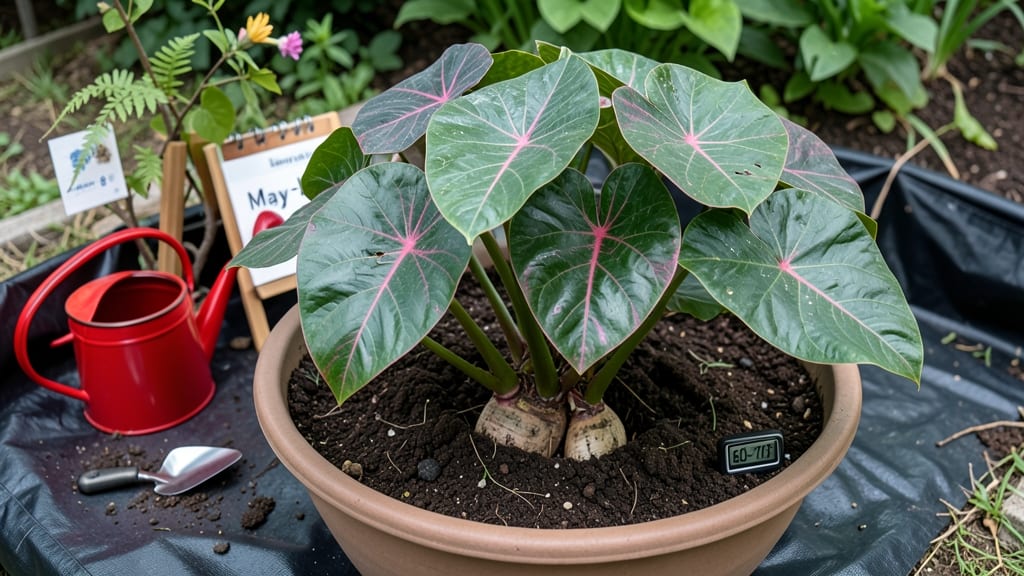
Planting your caladium bulbs at the right time in Zone 8 is the difference between showstopping foliage and a sad, stunted display. These stunning 🌿 plants need warmth to wake up from dormancy, and rushing them too soon can leave them vulnerable to cold snaps or pests.
Most gardeners in Zone 8 wait until after the last frost—typically mid-March—but that’s just the start. The real game-changer is soil temperature: aim for at least 60°F before you plant. Too early, and your bulbs won’t thrive; too late, and you miss peak growing season.
I’ve learned the hard way that timing isn’t just about dates—it’s about conditions. In this guide, I’ll walk you through how to check soil readiness, adjust for your specific microclimate (coastal vs. inland), and avoid common mistakes that kill caladiums before they even sprout.
By the end, you’ll know exactly when to plant for lush, vibrant foliage that lasts all summer. Let’s get those bulbs in the ground the right way!
Ideal planting time for caladium bulbs in Zone 8: after last frost & soil warmth check
Timing your caladium bulbs correctly in Zone 8 means waiting for two key factors: soil warmth and stable nighttime temperatures. These tropical beauties refuse to sprout in cold soil, so rushing them can lead to rot or stunted growth.
Aim for late winter to early spring, typically between mid-February and April, depending on your sub-region.
Zone 8 spans diverse microclimates, from coastal areas with milder winters to inland zones with cooler nights. For example, coastal Southern California may see frost-free conditions by mid-February, while inland Georgia might wait until mid-March.
Always check your local last frost date and plan to plant 2-3 weeks afterward.
Here’s the secret: soil temperature matters more than air temperature. Caladiums need soil that’s consistently 60°F or warmer. Use a soil thermometer to test—if it’s below 55°F, wait a week or two. Cold soil slows root growth and invites fungal diseases, which can ruin your entire batch.
Another trick is the finger test. Stick your finger about 2 inches deep into the soil. If it feels warm to the touch (like a cozy bath), it’s ready.
If it’s still chilly, your bulbs will struggle to establish roots. This method works without extra tools and is foolproof for gardeners of all levels.
Nighttime temperatures also play a role. Once lows stay above 60°F, you’re in the clear. In Zone 8’s northern edge (like Atlanta or Raleigh), this might mean waiting until late March. In southern Florida or coastal Texas, you could start as early as February.
| Zone 8 Sub-Region | Ideal Planting Window | Soil Temp Requirement | Nighttime Low Threshold |
|---|---|---|---|
| Coastal CA (San Diego) | Mid-February to March | 60°F+ | 55°F+ |
| Inland GA (Atlanta) | Mid-March to April | 60°F+ | 60°F+ |
| Central TX (Austin) | Late February to March | 58°F+ | 58°F+ |
| Florida (Miami) | January to February | 62°F+ | 62°F+ |
⚠️ Pro Tip: Use a mulch layer (2–3 inches) to warm soil faster and retain moisture.
If you’re unsure about your local conditions, rely on local gardening groups or Cooperative Extension offices for hyper-local advice. They track frost dates and soil conditions year-round. For example, UC Master Gardeners in California or UGA Extension in Georgia offer free planting calendars tailored to your ZIP code.
One common mistake is planting too early in hopes of an earlier harvest of foliage. But cold soil can cause bulbs to rot before they even sprout.
Another pitfall is ignoring microclimates—a sunny south-facing bed warms up faster than a shady north side. Test both areas with your soil thermometer to avoid surprises.
For container gardening, timing shifts slightly. Pots warm up faster than garden beds, so you can plant 1–2 weeks earlier once soil reaches 60°F. Just ensure your containers have drainage holes to prevent waterlogged roots, which are a major issue for caladiums in Zone 8’s humid summers.
Once you’ve nailed the timing, your caladiums will reward you with vibrant, heart-shaped leaves that last all summer. The key is patience—wait for the soil to signal “go,” and your bulbs will thrive. Now that you’ve got the perfect window locked in, let’s dive into preparing your soil for
Ideal planting time for caladium bulbs in Zone 8: after last frost & soil warmth check
Zone 8 gardeners know timing is everything for caladium bulbs, and the last frost date is just the starting point. While the average last frost in Zone 8 falls around mid-March, your caladiums won’t thrive until the soil warms to at least 50°F—and ideally 60°F+.
This warmth triggers root growth, preventing those stunning leaves from rotting in cold soil.
Don’t rely solely on frost dates—soil temperature is your real guide. Coastal areas may hit 60°F soil by early February, while inland regions might wait until late March.
Use a soil thermometer or the finger test (stick your finger 2 inches deep—if it feels warm, not cold, you’re ready).
Here’s the critical window for Zone 8: plant caladium bulbs 2–4 weeks after your last frost, but only when nighttime lows stay above 60°F. In southern Zone 8 (e.g., Orlando), this could be as early as February. In northern Zone 8 (e.g., Richmond), wait until mid-April.
| Zone 8 Region | Soil Temp Threshold | Planting Window | Key Risk |
|---|---|---|---|
| Southern Zone 8 (e.g., Tampa) | 50°F+ (early Feb) | Late Feb–March | Overheating in containers |
| Central Zone 8 (e.g., Atlanta) | 60°F+ (mid-Mar) | March–April | Cold snaps delaying growth |
| Northern Zone 8 (e.g., Richmond) | 65°F+ (late Apr) | April–May | Slow emergence |
Planting too early? Your bulbs may rot in cold soil or attract slugs and pests drawn to damp conditions. Waiting too long risks stunted foliage as the plant struggles to establish roots in summer heat.
For container gardening, warm up pots indoors under grow lights for 2–3 weeks before transplanting.
Pro tip: If your soil is still chilly, mulch heavily after planting to trap heat. Use black plastic mulch for an extra 5–10°F boost—just remove it once leaves emerge to prevent overheating. Monitor your caladiums closely; their first leaves signal success!
🌱