
Planting
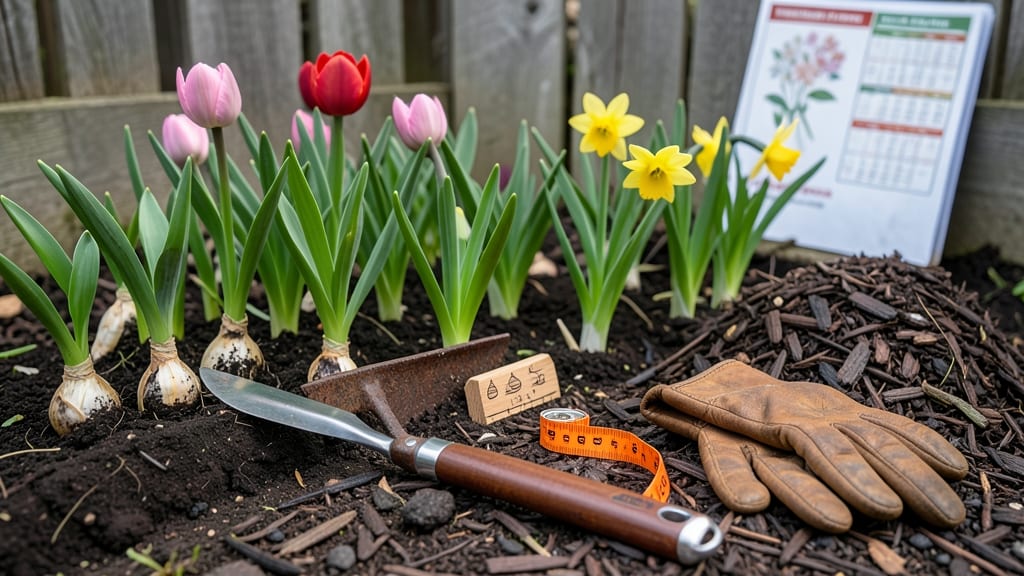
Planting bulbs in the garden at the wrong time can mean waiting an extra year for those vibrant spring blooms you've been dreaming of. The key to unlocking a garden full of tulips, daffodils, and hyacinths lies in understanding chill-hour needs and frost-free deadlines by variety.
In USDA Zone 6a, fall is your best bet for planting most bulbs—aim for 6-8 weeks before the first frost, typically September or October. But did you know some varieties, like crocuses, can handle early planting, while others need precise timing to thrive?
Spring planting is another option for bulbs that bloom later in the season, like dahlias. The trick is getting them in the ground as soon as the soil is workable, usually after your last frost date around mid-April.
Whether you're a beginner or a seasoned gardener, mastering these timing tips will help you avoid common mistakes and ensure your 🌱 bulbs emerge strong and healthy every year. Let’s dive into the details so you can plan like a pro!
Chill-hour requirements for popular bulbs: how cold they need to bloom
Most gardeners know that planting bulbs in fall for spring blooms is the golden rule—but not all bulbs follow this script. The real secret to success lies in understanding chill-hour requirements, which determine how much cold a bulb needs to trigger flowering.
Think of it like a winter vacation: some bulbs need a long, chilly break, while others prefer a short, mild nap.
For example, tulips and hyacinths typically require between 120–160 chill hours (temperatures between 32–45°F) to bloom. In contrast, daffodils are more flexible, often thriving with just 60–80 chill hours.
Planting a tulip in a warm climate without enough cold? It might just sit there, waiting for a winter it never gets.
Your USDA hardiness zone plays a huge role here.
Gardeners in Zone 5 or colder can plant most bulbs in early fall with confidence, but those in Zones 7–9 often need to use cooling methods like refrigeration or opt for warm-climate varieties like rain lilies or calla lilies, which need little to no chill.
Here’s the kicker: even within a single species, varieties can differ. For instance, Darwin hybrid tulips need more chill hours than fosteriana tulips. Always check the seed packet or bulb catalog for specific requirements—it’s like reading the care instructions on a new gadget, but for your garden.
| Bulb Type | Chill Hours Needed | Best Zones | Notes |
|---|---|---|---|
| Tulips (most varieties) | 120–160 hours | 3–8 | Plant in fall; needs winter dormancy. |
| Daffodils (Narcissus) | 60–80 hours | 4–10 | More adaptable; tolerates warmer climates. |
| Hyacinths | 120–150 hours | 4–8 | Fragrant but needs consistent cold. |
| Crocuses | 40–60 hours | 3–9 | Early bloomers; plant in fall for spring color. |
| Rain Lilies (Zephyranthes) | 0–20 hours | 7–11 | No chill needed; blooms with rain in warm climates. |
If you’re in a warmer zone (7–9), don’t despair—you can still grow bulbs! Try pre-chilling bulbs in your fridge for 6–8 weeks before planting, or choose low-chill varieties like paperwhite narcissus, which bloom indoors without any cold treatment.
For Zone 10+, focus on summer-blooming bulbs like canna lilies or dahlias, which thrive in heat.
Pro tip: Use a soil thermometer to check when soil temps drop to 60°F or below—this is your cue to start planting. Bulbs need consistent moisture but well-draining soil to avoid rot. Amend heavy clay with compost or sand to mimic their natural, aerated habitat.
Remember, bulbs are like sleeping beauties: they need the right conditions to wake up and perform their magic. Get the chill hours right, and you’ll be rewarded with months of vibrant blooms—without the fuss of annuals. 🌷
Frost-free deadlines by region: when to plant spring vs. fall bulbs
Your local climate dictates the perfect window for planting bulbs—whether you're in Zone 3 or Zone 10. In colder regions, aim to plant 6-8 weeks before the first frost, while warmer zones may extend planting into early winter.
For spring bulbs like tulips and daffodils, the goal is to give roots time to establish before winter dormancy kicks in.
Southern gardeners face a different challenge: heat-sensitive bulbs need to be planted early enough to avoid summer heat stress. For example, in Zone 9, you might plant fall bulbs in late summer (August-September) to avoid the hottest months.
Meanwhile, spring-planted bulbs like rain lilies thrive when soil temperatures cool in late winter.
Here’s how to calculate your frost-free deadline: Check your USDA zone, then count backward from the average first frost date. For instance, if your first frost is November 15, plant by September 20 to ensure roots establish before winter.
Use your local cooperative extension office for precise frost dates.
| Region | Fall Planting Window | Spring Planting Window | Key Exception |
|---|---|---|---|
| Northern (Zones 3-5) | September 15 - October 15 | Early April (after frost) | Dahlias (plant after last frost) |
| Midwest (Zones 6-7) | October 1 - November 1 | March 15 - April 15 | Crocuses (early spring) |
| Southern (Zones 8-10) | August 15 - September 30 | February 1 - March 15 | Rain lilies (plant in fall) |
Transitional climates—like Zone 8—require extra attention. If you experience unpredictable frosts, opt for cold-hardy varieties like daffodils or alliums, which tolerate brief freezes. For tender bulbs (e.g., gladiolas), wait until soil warms to 60°F in spring to avoid rot.
Pro tip: Use a soil thermometer to confirm ground temps are below 60°F for fall planting. If soil stays warm too long, bulbs may sprout prematurely and die in frost. In Zone 5, this often means waiting until late September even if your frost date is earlier.
For summer-blooming bulbs like dahlias or cannas, timing shifts to after your last frost. These bulbs need warm soil to thrive, so hold off until mid-spring in cooler zones. Always check the package instructions—some varieties specify "plant after danger of frost".