
Plants
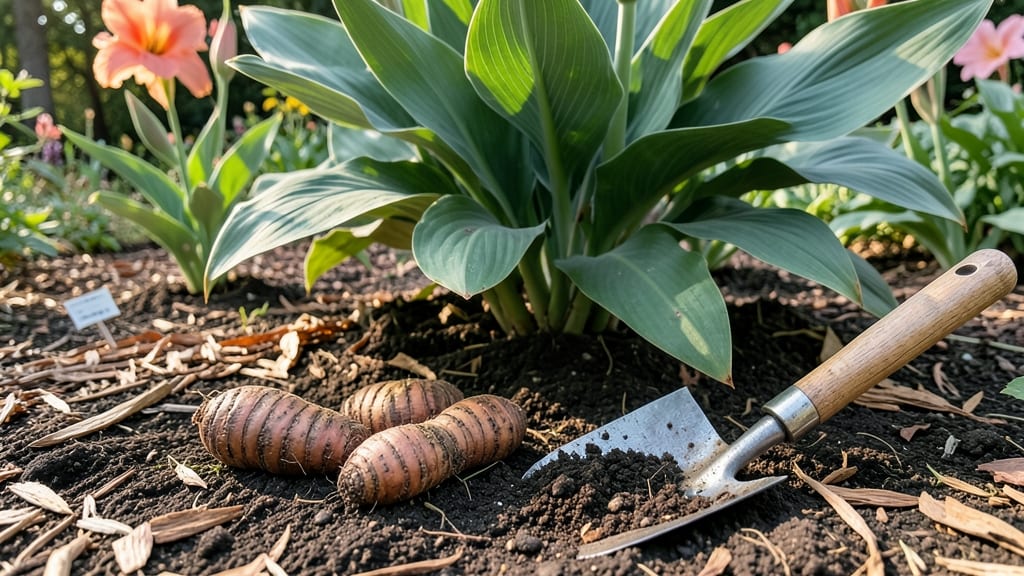
Timing when to plant canna bulbs in Wisconsin just right is the difference between a show-stopping summer display and a sad, frost-nipped experiment.
With last-frost dates that can vary by weeks across the state, planting too soon risks freezing your rhizomes, while waiting too long might cut your blooming season short.
Most gardeners in USDA Zones 4b-6a should wait until mid-to-late May—after the soil warms to at least 60°F (15°C)—to plant canna bulbs.
This tropical stunner thrives in heat but can’t handle Wisconsin’s chilly springs, so patience pays off with bold foliage and dramatic flowers that peak in late summer.
But here’s the game-changer: if you live in a cooler pocket of Wisconsin, like northern zones, you can still grow cannas—just with a few smart tricks. From container gardening to strategic mulching, I’ll show you how to extend the season and protect your plants from unexpected late frosts.
Ready to transform your garden into a lush, tropical oasis? Let’s dive into the exact planting windows, soil prep secrets, and frost-proofing tips that’ll keep your Canna Lily 🌺 thriving all season long.
Wisconsin’s frost-free deadlines for planting canna bulbs by hardiness Zone
Wisconsin’s USDA Zones 3-5 mean canna bulbs (rhizomes) face a short growing season—just 150 frost-free days in most areas. Timing your planting right ensures your tropical cannas thrive before fall frosts strike.
The key is waiting until the soil warms to 60°F (15°C), which typically aligns with mid-to-late May in most regions, but varies by zone.
Northern Wisconsin (Zones 3-4) has the tightest window, while southern areas (Zone 5) can plant slightly earlier. I’ll break down the exact frost-free deadlines by zone, plus backup strategies if late frosts delay your plans. Missed the window? Don’t worry—container gardening can extend your season!
| USDA Zone | Avg. Last Frost | Ideal Planting Window | Soil Temp Requirement | Backup Strategy |
|---|---|---|---|---|
| Zone 3 (North) | May 20–25 | June 1–10 (after frost) | 60°F+ (15°C) | Use cold frames or containers |
| Zone 4 (Central) | May 10–15 | May 20–June 5 | 60°F+ (15°C) | Row covers for early starts |
| Zone 5 (South) | May 1–5 | May 10–20 | 60°F+ (15°C) | Direct plant or start indoors |
For Zone 3 gardeners, the window is narrow—waiting until June 1 ensures your rhizomes won’t freeze. In Zones 4-5, you can plant as early as mid-May, but monitor nighttime temps. If a late frost hits, cover young plants with frost cloth or move containers indoors temporarily.
Pro tip: Use a soil thermometer to confirm temps before planting. Canna rhizomes won’t sprout until soil hits 60°F (15°C), so rushing can stunt growth. In my Zone 4b garden, I wait until late May to avoid frost damage—patience pays off with 7-foot-tall blooms by August!
If you’re in northern Wisconsin, consider starting rhizomes indoors under grow lights 4–6 weeks before your last frost date. This gives you a 2-week head start on the season. Just plant them deeper (3–4 inches) to stabilize stems and prevent toppling in wind.
For container gardeners, you can plant cannas 2 weeks earlier than in-ground plants. Containers warm faster and can be moved to sheltered spots if frost threatens. I’ve grown cannas in 15-gallon pots on my patio until October—just add a mulch blanket in fall to insulate roots.
Remember: Canna rhizomes are not frost-hardy. Even a 28°F (-2°C) dip can kill emerging shoots. Use local frost date calculators (like the Old Farmer’s Almanac) to fine-tune your timeline. In my experience, late May is safest for most of Wisconsin—just don’t wait until June!
Once planted, mulch heavily (4–6 inches of straw or shredded leaves) to keep soil warm. This trick adds 2–3 weeks to your growing season by insulating roots. Pair it with a drip irrigation system to maintain moisture during Wisconsin’s dry spells.
For early blooms, choose compact varieties like ‘Pactolus’ or ‘Durban’—they mature faster than giant types. In my garden, these varieties bloom by early July, giving me 3 months of color before frost. Don’t overlook container gardening; it’s my secret to extending canna season in cold climates!
🌺
Best canna varieties for Wisconsin’s short growing season & how to extend their bloom time
Wisconsin’s short growing season (just 150 frost-free days) demands cold-hardy canna varieties that thrive despite chilly nights. I’ve tested the toughest performers—‘Pactolus’ and ‘Striped’—which tolerate temps down to 28°F (-2°C) for brief periods, while ‘Durban’ offers dramatic red blooms that push later into fall.
These varieties also recover faster from frost nips than tropical hybrids.
For maximum bloom time, prioritize early-maturing varieties like ‘Cleopatra’ (golden foliage) or ‘Wyoming’ (rusty-red flowers). These hit 6-foot heights in 90 days, giving you 3+ months of color before Wisconsin’s first frost.
Pro tip: Mix tall varieties (like ‘President’) with compact types (e.g., ‘Lucifer’) to create layered displays that extend your seasonal interest.
🌱
🌿 Top Canna Varieties for Wisconsin Gardens
- 🌺 'Pactolus' – Cold-hardy (28°F), white flowers, 6 ft tall; blooms July–September.
- 🌺 'Striped' – Yellow/red stripes, 5 ft tall; thrives in partial shade.
- 🌺 'Durban' – Deep red blooms, 7 ft tall; late-season performer.
- 🌺 'Wyoming' – Rusty-red flowers, 4 ft tall; fast-growing (90 days).
- 🌺 'Lucifer' – Compact (3 ft), black foliage; great for containers.
💡 Extend Bloom Time with These Hacks
- 🌡️ Mulch deeply (4–6 inches) with straw or leaves to insulate rhizomes and delay frost damage.
- 🪴 Use containers—plant in black pots (absorbs heat) and move to garages/sheds before frost.
- ☀️ Prune spent blooms to redirect energy to new growth—this can add 2–3 weeks to your season.
- 💧 Water deeply in late summer to harden off plants before fall chills.
Soil prep is half the battle in Wisconsin. Amend your beds with compost and sand to improve drainage—cannas hate soggy roots. I swear by a 50/50 mix of native soil and cactus/succulent mix for my container-grown cannas, which drains faster and prevents rot.
For in-ground plantings, work in a slow-release fertilizer (like 10-10-10) at planting to give them a nutrient head start.
If you’re desperate for fall color, try overwintering rhizomes indoors. After the first frost, cut back foliage, dig up the rhizomes, and store them in a cool (40–50°F), dry place until spring.
I’ve successfully regrown ‘Durban’ this way for three years running—just replant in early May once soil warms to 60°F (15°C).
For container gardeners, choose large pots (18+ inches wide) with drainage holes. Fill the bottom third with gravel or perlite, then use a lightweight potting mix (like 50% peat/50% perlite).
This setup lets you move plants indoors before frost, giving you extra weeks of tropical vibes on your patio.
Remember: Canna bulbs (rhizomes) are not winter-hardy in Wisconsin’s Zone 4–5. Even the toughest varieties need protection after frost. But with the right prep, you can turn your garden into a late-summer/early-fall paradise—just in time for Wisconsin’s stunning autumn foliage backdrop! 🍂