
Trees
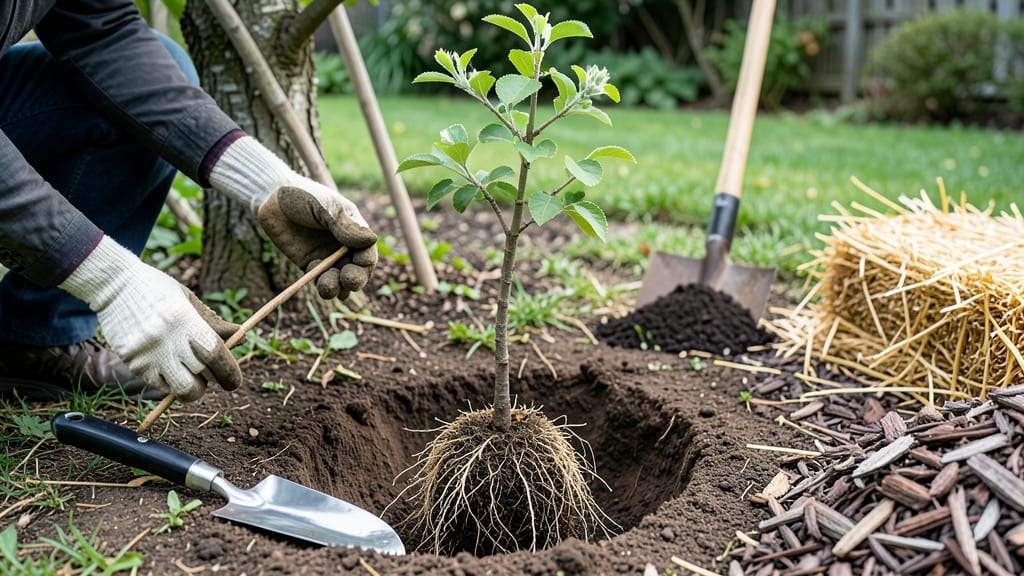
Planting an apple tree 🍎 at the wrong time in Massachusetts can mean the difference between a thriving orchard and a struggling sapling—so getting the timing right is everything for strong root growth and fruit production.
With USDA Zones 5b-6b and frost dates that shift from mid-April to mid-October, Massachusetts gardeners face unique challenges. Whether you're planting bare-root saplings in late winter or container-grown trees in fall, the key is understanding how chill-hour requirements for varieties like Honeycrisp or McIntosh dictate the best window.
I've seen firsthand how a tree planted too early can suffer from frost damage, while one planted too late may struggle to establish roots before winter. The good news? With the right timing—either in September-October or February-April—you can set your apple tree up for success.
Let me walk you through the science-backed planting schedule for Massachusetts, including soil prep, spacing tips, and how to adjust for your specific microclimate—whether you're in coastal Boston or inland Worcester.
Best planting months for apple trees in Massachusetts based on chill-hours
Massachusetts’ USDA Zones 5b-6b create a unique challenge for apple tree growers—too early, and roots struggle; too late, and trees can’t establish before winter. The key? Chill-hours, the number of hours below 45°F (7°C) your tree needs to fruit.
Most Massachusetts varieties require 800-1,200 chill-hours, which dictates your planting window.
For bare-root trees, aim for late winter to early spring (February–April) when soil is workable but buds haven’t yet swollen. This gives roots 6-8 weeks to establish before summer heat. Container-grown trees can plant slightly later, up to mid-May, since their roots are less vulnerable to transplant shock.
Fall planting (September–October) is ideal for bare-root trees in Massachusetts’ cooler inland regions. Plant 4-6 weeks before first frost (typically mid-October) to allow roots to knit before winter dormancy. Coastal areas with milder microclimates can extend this window into early November.
🌱 Pro Tip: Test soil temperature—it should be above 40°F (4°C) for root growth to begin. Use a soil thermometer to avoid planting too early in cold springs.
| Planting Window | Best For | Chill-Hour Range | Root Establishment Risk |
|---|---|---|---|
| Late Winter (Feb–March) | Bare-root trees | 800–1,200 hrs | Low (soil warms gradually) |
| Early Spring (April) | Container-grown trees | All varieties | Medium (bud break risk) |
| Fall (Sept–Oct) | Bare-root trees | 800–1,000 hrs | Low (roots harden before frost) |
| Late Fall (Nov) | Coastal microclimates | 600–800 hrs | High (frost risk) |
Spring planting in Massachusetts has one critical caveat: bud break timing. If you plant after mid-April, your tree may start growing leaves before roots establish, leading to transplant shock.
Monitor local last frost dates—western MA (e.g., Worcester) averages April 15, while coastal areas (e.g., Cape Cod) can be 2 weeks later.
For container-grown trees, extend your window to mid-May since their root balls are less sensitive to temperature fluctuations. However, prioritize well-draining soil—Massachusetts’ clay-heavy soils in areas like Pittsfield or Springfield can cause root rot if not amended with compost or sand.
🌿 Warning: Avoid planting in wet springs (common in eastern MA). Soggy soil suffocates roots. Amend planting holes with perlite or coconut coir to improve aeration.
Chill-hour requirements vary by variety. Honeycrisp needs 900+ hours, while McIntosh thrives with 600–800 hours. Plant low-chill varieties like Liberty in warmer microclimates (e.g., Nantucket) to avoid poor fruit set. Use a chill-hour calculator to match varieties to your specific USDA zone.
🪴 Action Step: Call your local UMass Extension office for soil tests and microclimate advice. They’ll confirm your last frost date and recommend disease-resistant rootstock for Massachusetts’ humid summers.
How Massachusetts’ microclimates affect apple tree planting timing
Massachusetts’ diverse geography—from coastal Cape Cod to the inland Berkshires—creates microclimates that shift planting windows by weeks. Coastal areas like Providence and Barnstable enjoy milder winters, while inland zones like Franklin or Hampden face harsher frosts.
These differences mean your apple tree planting schedule should account for local frost dates, not just the state average.
For example, eastern Massachusetts (Zone 6a) often sees last frost dates around April 15-30, giving you a longer spring planting window. Meanwhile, western MA (Zone 5b) may not thaw until May 1-15, pushing ideal spring planting into late April or early May.
Fall planting also varies—coastal areas can plant until mid-November, while inland regions should finish by early October.
Urban gardeners in Boston or Worcester face unique challenges like heat islands and compacted soil. These factors can delay root establishment, so fall planting (September-October) is often safer for city orchards.
Small farms in Plymouth or Essex County benefit from cooler coastal breezes, allowing slightly later spring plantings compared to inland areas.
- Spring: Late March–April 15
- Fall: September 15–November 15
- Why? Milder winters, later frosts
- Spring: April 15–May 15
- Fall: September 1–October 15
- Why? Harsher winters, earlier frosts
- Best Time: Fall (September–October)
- Why? Heat islands delay spring root growth
- Coastal: +2–3 weeks for spring planting
- Inland: -2–3 weeks for fall planting
Commercial orchards in Hampshire County or Hampden County often use dwarf varieties to maximize space, but even these benefit from region-specific timing.
For instance, Honeycrisp trees planted in western MA may need 200–300 chill hours, while the same variety in coastal Plymouth might get by with 150–200 chill hours due to milder winters. Always check your local USDA zone and adjust planting dates accordingly.
If you’re unsure about your microclimate, use USDA’s Plant Hardiness Zone Map or consult your local Cooperative Extension office. They can provide hyper-local frost data and recommend apple varieties that thrive in your specific area.
For example, Liberty apples (fire blight resistant) do well in Zone 5b, while McIntosh prefers Zone 6a.
Pro tip: Monitor soil temperatures—roots need 40–50°F soil to establish properly. Use a soil thermometer to confirm conditions before planting, especially in cooler inland zones. Adjust your schedule if temperatures drop unexpectedly, as cold soil can stunt root growth for months.
🌱