
Plants
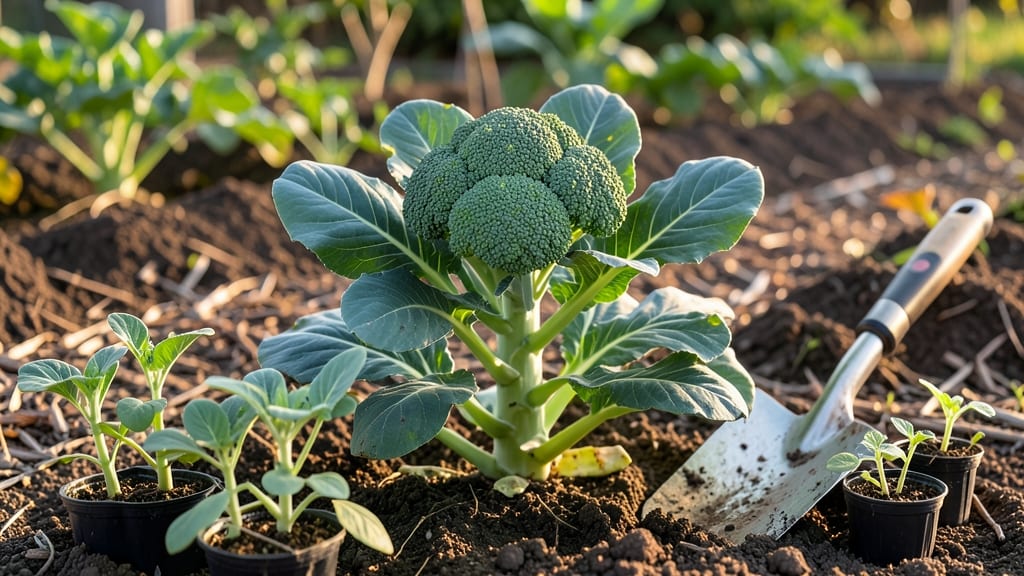
Planting broccoli 🥦 at the wrong time in Zone 7B can mean bitter, bolted heads instead of the sweet, tender harvest you crave.
The key to success lies in timing—sowing seeds or transplants 4-6 weeks before your last frost (around early March) or again in late summer for a fall crop.
Most gardeners in Zone 7B struggle with summer heat causing broccoli to bolt prematurely, but with the right approach, you can avoid this common pitfall.
Whether you're a first-time grower or a seasoned gardener, understanding your local microclimate makes all the difference in getting those perfect heads ready by late spring or fall.
In this guide, I’ll break down the exact planting windows for both spring and fall crops, including soil temperature tips and frost-sensitive varieties that thrive in 7B’s climate. You’ll learn how to stretch your growing season for maximum yields without the stress of guessing when to plant.
Ready to grow broccoli that’s consistently sweet and abundant? Let’s dive into the proven strategies that work in Zone 7B—no more wasted seeds or disappointing harvests.
Best planting windows for broccoli in zone 7B (seeds vs transplants)
Broccoli in Zone 7B thrives when planted during cooler months, avoiding the heat spikes of summer that trigger bolting. The key windows are early spring and late summer, with precise timing based on your last frost date (typically around March 15 in Zone 7B).
For spring planting, aim to sow seeds or transplants 4-6 weeks before your last frost. This means starting in mid-February to early March for direct sowing or late March to early April for transplants. Fall planting should begin 8-10 weeks before your first frost (around early September).
Soil temperature is critical—broccoli seeds need 40-85°F soil to germinate. In Zone 7B, this usually aligns with March-April for spring and August-September for fall. Use a soil thermometer to confirm before planting.
Here’s how seeds vs transplants compare for timing and success in Zone 7B:
| Factor | Seeds | Transplants |
|---|---|---|
| Best Planting Window | Mid-February to early March (spring) / Early September (fall) | Late March to early April (spring) / Mid-August (fall) |
| Soil Temp Requirement | 40-85°F | 50-70°F (warmer soil helps roots establish) |
| Germination Time | 7-14 days | N/A (transplants are ready) |
| Spacing | 12-18 inches apart | 18-24 inches apart |
| Time to Harvest | 60-80 days | 50-70 days |
| Zone 7B Success Tip | Use row covers if planting early to protect from late frosts | Hardens transplants for bolting resistance in summer heat |
In Zone 7B, microclimates can shift planting windows by 1-2 weeks. If your garden is in a warmer microclimate (e.g., near pavement or south-facing), plant transplants slightly later to avoid summer heat. Conversely, cooler spots (like north-facing beds) can handle earlier seed sowing.
For fall broccoli, start seeds indoors in late July to transplant outdoors in early September. This gives heads time to mature before first frost (around November 15). Use cold-hardy varieties like ‘Waltham 29’ for extended fall harvests.
Always monitor your local frost dates—Zone 7B’s 200 frost-free days create a tight window. Miss the mark, and you risk bolting (flowering prematurely) or poor head formation. Adjust by 1-2 weeks if your area runs hotter or cooler than average.
Pro tip: Direct-sow seeds in late summer for a fall crop, but transplants give you a head start. For spring, transplants are your best bet to beat bolting and maximize yields.
🌱
Best planting windows for broccoli in zone 7B (seeds vs transplants)
Timing is everything when growing broccoli in Zone 7B, where summer heat can cause plants to bolt before producing heads. The sweet spot is planting 4-6 weeks before your last frost (around early March) for spring crops or 8-10 weeks before your first frost (late August) for fall harvests.
Zone 7B’s average last frost date is March 15, so aim to have seedlings ready by late February if starting indoors. For transplants, purchase hardened-off plants from your local nursery in early March. Fall crops need to mature before November 15, so late summer sowing is critical.
For spring planting, start seeds indoors 6-8 weeks before your last frost to give them a head start. If you’re direct sowing, wait until soil temperatures are consistently 45°F (7°C) or warmer.
Fall crops should be planted early enough to avoid heat stress but late enough to mature before winter sets in.
Zone 7B’s microclimates can vary, so monitor local weather patterns. If you experience unusually warm winters, consider using row covers to protect young plants. Always choose cold-hardy varieties like ‘Waltham 29’ or ‘De Cicco’ for better success in cooler springs or falls.
Pro tip: Use a soil thermometer to check temperatures before planting. Broccoli seeds won’t germinate well in cold soil, and transplants may struggle if soil is too warm. Aim for 50-60°F (10-15°C) for optimal growth.
By following these planting windows, you’ll avoid the common pitfalls of bolting and poor yields, ensuring a steady supply of sweet, tender broccoli all season long. 🥦