
Plants
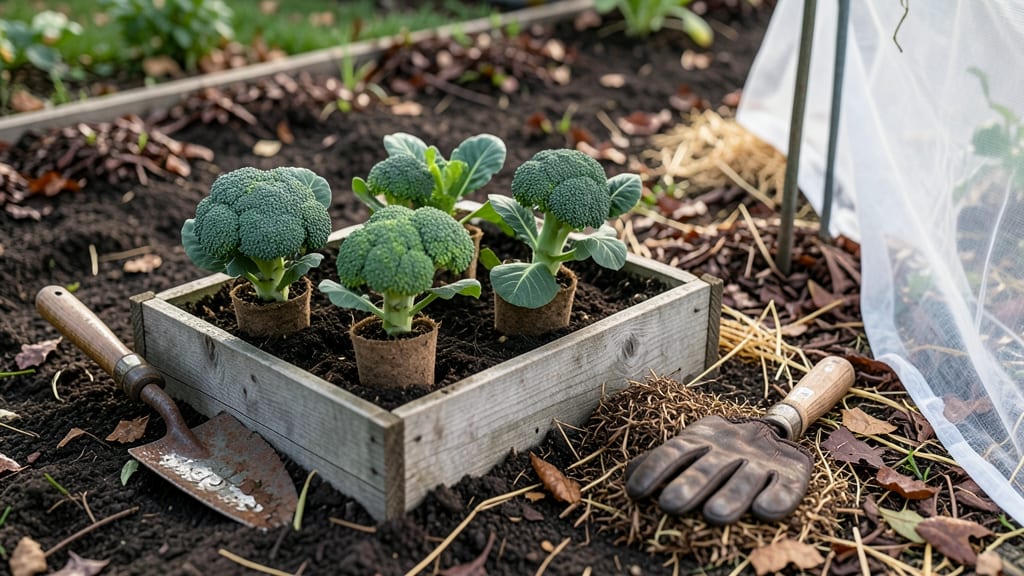
Planting fall broccoli in Zone 7 at the wrong time can mean the difference between a bountiful harvest and a disappointing garden. The secret to success lies in understanding your local frost dates and soil conditions—because even experienced gardeners can misjudge the window.
In Zone 7, where the first frost typically arrives around mid-November, timing is everything. You’ll want to get those 🥦 seedlings in the ground between mid-August and early September, giving them 4-6 weeks to establish roots before the cold sets in.
This isn’t just about the calendar—it’s about balancing warmth and coolness to avoid bolting or stunted growth.
If you plant too early, your broccoli might bolt before forming heads. Too late, and frost will ruin your crop before it matures. The good news? With the right preparation—like choosing cold-hardy varieties and prepping your soil—you can extend your harvest well into winter.
Let’s break down exactly how to nail this timing for a garden full of flavorful, frost-resistant broccoli.
Ready to grow broccoli that thrives in cooler weather? I’ll walk you through the critical steps, from soil prep to variety selection, so you can enjoy fresh harvests from November through January. No more guesswork—just proven techniques for Zone 7 gardeners.
Optimal planting windows for fall broccoli in Zone 7 (with frost timing)
In Zone 7, fall broccoli success hinges on planting at the right time—typically 4-6 weeks before the first frost, which usually lands between October 15 and November 15. This window ensures your plants mature before cold snaps, but timing varies slightly by microclimate and broccoli variety.
For example, 'Waltham 29' (a classic variety) thrives when planted in late August to early September, while 'De Cicco' (a heat-tolerant Italian heirloom) can handle a slightly later start.
Direct sowing and transplants both work, but transplants give you a head start. If you’re starting from seedlings, aim to transplant 3-4 weeks before your target frost date.
For direct sowing, scatter seeds 6-8 weeks before frost—just be prepared to thin seedlings to 12-18 inches apart for optimal growth. In Zone 7, this often means sowing in mid-August for a late fall harvest.
Here’s the key: Broccoli needs 60-80 days to maturity from transplant or seed. If you plant too early, the heat of late summer can cause bolting (premature flowering), while planting too late risks stunted growth before frost.
Use your local frost date as your anchor—then work backward to calculate your ideal window.
🌱
| Planting Method | Optimal Zone 7 Window | Days to Maturity | Harvest Timeline | Key Tip |
|---|---|---|---|---|
| Transplants | Late August–Early September | 60–70 days | Late October–December | Hardy starts avoid bolting risks |
| Direct Sowing | Mid-August–Late August | 70–80 days | November–January | Thin seedlings early to prevent crowding |
| Successive Planting | Early September–Mid-September | 50–60 days | December–Early January | Extend harvest with cooler weather |
📅 Plan Ahead: Use a frost calculator for your exact location (e.g., Almanac’s Frost Dates) to fine-tune timing.
Microclimates play a huge role in Zone 7. Urban areas with heat islands may need to plant 1-2 weeks earlier than rural zones, while shaded spots might delay planting by a week.
Test your soil temperature—broccoli thrives when soil is 50–60°F. If your soil runs hotter, opt for shade cloth or drip irrigation to cool roots during the day.
For a staggered harvest, plant successive batches every 2 weeks from mid-August through early September. This ensures a steady supply of fresh broccoli from late fall into winter.
Just remember: Broccoli hates heat, so avoid planting when daytime temps exceed 80°F—it’ll bolt faster than a rabbit in a garden.
🌿
Pro tip: If you’re unsure about your frost date, err on the side of planting later. Broccoli can tolerate light frosts (28–32°F) once established, but it won’t survive heavy freezes.
In Zone 7, a row cover can extend your harvest window by 2–3 weeks if a late frost threatens. Just remove it during the day to prevent overheating.
Finally, pair your broccoli with companion plants like bush beans or dill to deter pests and improve soil health. These pairings can also help you space plants efficiently, maximizing your garden’s productivity.
✂️
Optimal planting windows for fall broccoli in Zone 7 (with frost timing)
Zone 7 gardeners know that fall broccoli loves cooler weather, but timing your planting window is tricky. The average last frost date in Zone 7 is around November 15, so aim to plant 4-6 weeks before that date.
This means your ideal planting window is typically mid-August to early September for a successful harvest.
Broccoli planted too early may bolt (flower prematurely) from summer heat, while late plantings risk stunted growth before frost. Understanding these frost timing nuances ensures your fall harvest is both plentiful and flavorful.
| Planting Window | Frost Timing | Harvest Window | Notes |
|---|---|---|---|
| Mid-August | Plant 6 weeks before first frost | Late October to December | Best for early harvest; may need row covers |
| Early September | Plant 4-5 weeks before first frost | November to January | Ideal balance; most reliable yields |
| Late September | Plant 3-4 weeks before first frost | December to early January | Risk of stunted growth; use cold-hardy varieties |
For direct sowing, start seeds indoors 4-6 weeks before your target outdoor planting date. Transplants should be 4-6 inches tall with 4-6 true leaves before moving outside. Harden them off for 7-10 days before transplanting to avoid shock.
If your Zone 7 microclimate runs warmer (e.g., urban heat islands), opt for shade-tolerant varieties like 'De Cicco' or 'Waltham 29'. These handle partial shade better and reduce bolting risks. Always check your local frost date averages—they can vary by 1-2 weeks even within Zone 7.
Use row covers if frost threatens early. They extend your harvest window by 2-3 weeks without risking frost damage. Just remove covers during the day to prevent overheating.
Pro tip: Plant a succession crop every 2 weeks from mid-August to early September. This ensures a continuous harvest through winter. Just stagger your plantings by 10-14 days for steady yields.