
Plants
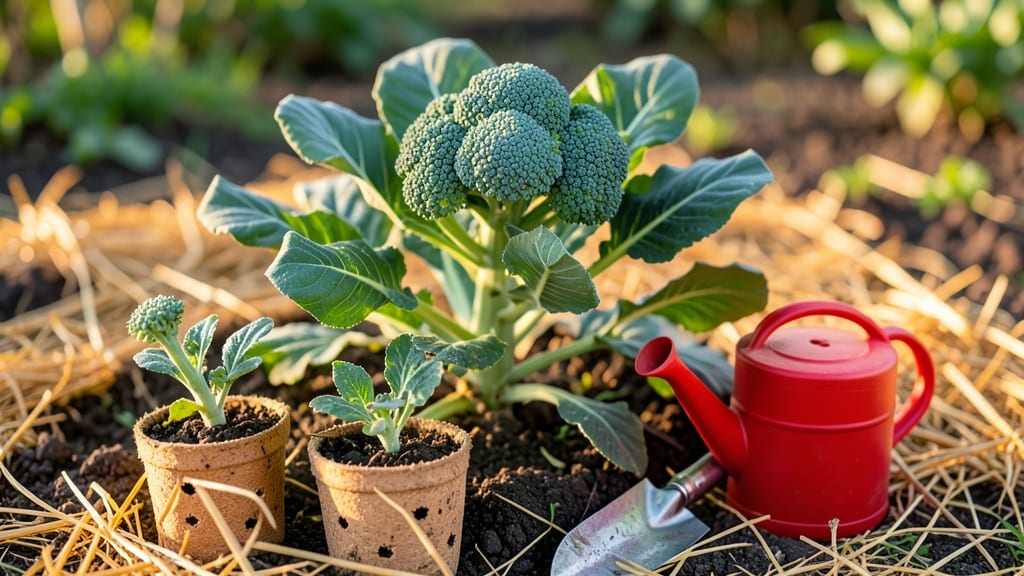
Planting broccoli in Texas isn’t just about dropping seeds into the dirt—it’s about outsmarting the heat, humidity, and unpredictable frost dates that can turn your 🥦 dreams into a sad, wilted mess.
The key to success? Timing that avoids both scalding summer soil and late-season freezes, which can happen as early as November in some zones.
Most Texas gardeners swear by late summer to early fall planting (August–October) for that perfect harvest window between October and November, but there’s a trickier spring window too—if you start in February or March, you’ll beat the worst of the summer heat.
The difference between a thriving crop and a bolting disaster often comes down to knowing exactly when to plant based on your specific USDA zone (8a–10b).
I’ve spent years testing these windows in my own Texas garden, and what I’m about to share will help you skip the guesswork.
Whether you’re a first-time grower or a seasoned pro, these insights will give you the confidence to plant broccoli at the ideal moment—so you’re harvesting crisp, flavorful heads instead of struggling with stunted plants.
Ready to turn your Texas garden into a broccoli powerhouse? Let’s dive into the exact planting schedule, soil prep secrets, and care tips that actually work in our state’s tricky climate.
Texas broccoli planting calendar by USDA hardiness zones (8a-10a)
Texas spans USDA Zones 8a to 10a, meaning your broccoli planting window shifts dramatically from North to South.
In Zone 8a (Panhandle, North Texas), you’ll need to plant 6-8 weeks before the first frost (typically late August to early September), while Zone 10a (South Texas) allows for year-round planting with minimal frost risk.
The key? Soil temperatures—broccoli germinates best between 40°F and 85°F, but seedlings bolt (flower prematurely) above 85°F.
For most Texas gardeners, fall planting (August–October) is the safest bet. This gives plants time to mature before winter, while avoiding the scorching summer heat that turns broccoli into bitter, bolted messes.
In North Texas (Zones 8a–8b), aim for late August to early September; in Central Texas (Zone 8b–9a), stretch it to mid-September; and in South Texas (Zone 9a–10a), you can plant through October or even February–March for spring crops.
Here’s the golden rule: Plant broccoli when daytime temps hover around 70°F–75°F and nights dip below 60°F. This sweet spot ensures steady growth without stress. Use shade cloth (30–50%) if planting in late summer to protect seedlings from intense afternoon sun.
🌱 Texas Broccoli Planting Timeline by Zone
| USDA Zone | Best Planting Window | Avoid Planting After | Harvest Window | Key Notes |
|---|---|---|---|---|
| 8a (Panhandle, North TX) | Late August–Early September | Mid-October | October–November | High frost risk; use row covers |
| 8b (Dallas, Fort Worth) | Mid-August–Mid-September | Late October | October–December | Frost possible; plant heat-tolerant varieties |
| 9a (Austin, San Antonio) | Late August–October | Early November | October–January | Mild winters; can plant spring too |
| 9b–10a (Houston, Corpus Christi) | August–October OR February–March | No strict limit (year-round possible) | October–November OR April–May | Use shade cloth for summer plants |
🌡️ Pro Tip: Check your local frost dates (via Texas A&M AgriLife) and plant 4–6 weeks before the first frost for fall crops.
If you’re in South Texas (Zones 9b–10a), don’t overlook spring planting (February–March). Temperatures are cooler, and you can avoid the summer bolting issue entirely. Just be ready to harvest by May before the heat ramps up again.
For North Texas gardeners, focus on fall crops and consider cold frames or row covers to extend your season into early winter.
For soil prep, broccoli thrives in well-draining, slightly acidic soil (pH 6.0–7.0). Work in 2–3 inches of compost and a balanced fertilizer (10-20-10) before planting.
In heavy clay soils (common in East Texas), amend with sand or peat moss to improve drainage. Test your soil—broccoli hates soggy roots!
Once planted, mulch heavily with straw or wood chips to retain moisture and suppress weeds. In dry spells, water deeply 2–3 times per week, aiming for 1–2 inches of water weekly.
Avoid overhead watering at night to prevent disease—broccoli is prone to downy mildew in Texas’ humid summers.
Finally, choose the right varieties for your zone. Heat-tolerant types like 'Waltham 29' or 'De Cicco' handle Texas summers better than standard varieties. For North Texas, opt for 'Green Magic' or 'Calabrese', which bolt less easily.
Always start seeds indoors 4–6 weeks before transplanting to give seedlings a head start.
With this zone-specific timeline, you’ll dodge frost, beat the heat, and enjoy homegrown broccoli from fall through winter—or even year-round in warmer areas! 🥦
How to extend your Texas broccoli season: succession planting & heat-tolerant varieties
Texas summers are brutal for broccoli—temperatures above 85°F trigger bolting, and seedlings wilt under relentless sun. But with the right succession planting strategy and heat-tolerant varieties, you can harvest fresh broccoli year-round. The key? Staggered plantings and shade protection to beat the heat.
Start with heat-resistant hybrids like 'Waltham 29' or 'De Cicco,' which handle 90°F+ temps better than standard varieties. These aren’t foolproof, but they buy you extra time in Texas’ unpredictable climate. Pair them with shade cloth (30-50%) during peak afternoon sun to keep soil temps cool.
For fall crops, plant every 2-3 weeks from August to October, spacing seedlings 18-24 inches apart to avoid crowding. This ensures a continuous harvest before winter sets in. In spring, repeat the process from February to March for a second crop.
Another trick? Use container gardening with 5-gallon pots to move plants to shaded spots or under patio coverings during heatwaves. Containers also let you adjust soil moisture and drainage—critical in Texas’ heavy clay soils.
Pros & Cons of Texas Broccoli Season Extension
- Year-round harvests with staggered plantings
- Heat-tolerant varieties like 'Waltham 29' survive better
- Shade cloth protects seedlings from bolting
- Container gardening offers mobility and control
- Higher water needs in summer heat
- Pest risks increase with extended growing season
- Shade cloth requires setup/removal
- Containers dry out faster in Texas sun
Don’t forget to mulch heavily (2-3 inches of straw or wood chips) to retain moisture and cool roots. In North Texas (Zone 8a), aim for late August plantings; in South Texas (Zone 10a), start in September to avoid early heat stress.
Monitor soil temps—broccoli germinates best at 50-85°F, so avoid planting when soil exceeds 90°F.
With these tactics, you’ll turn Texas’ long growing season into a broccoli bonanza—no more sad, bolting ghosts in your garden! 🥦🌱