
Companion Plants
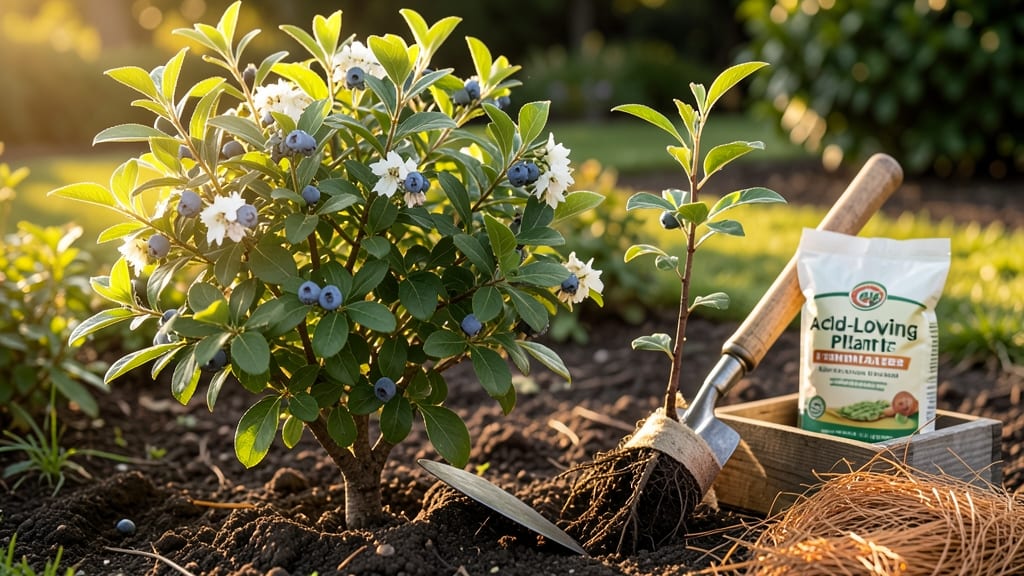
Planting blueberry bushes 🫐 in Pennsylvania at the wrong time could mean missing out on years of sweet harvests—especially when chill hours make all the difference in Zones 5b-7a. Unlike many plants, blueberries need a specific cold period to set fruit, and getting the timing wrong can leave you with sparse berries or no harvest at all.
If you're wondering when to plant blueberry bushes in PA, the answer depends on whether you prefer spring or fall planting—and which part of the state you're in. Northern PA's cooler climate gives you a slightly longer window, while southern regions demand precision to avoid late frosts.
I'll break down the best months for planting, how to match your local chill hours, and why fall planting often gives blueberries a head start.
You might think spring planting is the safest bet, but many gardeners in Pennsylvania actually prefer fall planting for stronger root establishment before winter.
We'll cover how to prepare your soil, protect young plants from unpredictable frosts, and even adjust your timing based on microclimates—whether you're in the Poconos or near Philadelphia.
Ready to grow juicy, homegrown blueberries? Let’s dive into the exact planting windows, soil prep secrets, and regional adjustments that will set your 🫐 bushes up for success—no guesswork required.
Best planting months for blueberries in PA based on chill hours
Pennsylvania's USDA Zones 5-7 demand precise timing for blueberry bushes to thrive. The key? Chill hours—blueberries need 800-1,000 hours below 45°F annually. In PA, this means planting when your region's chill hours align with the bush's dormancy cycle.
For most of the state, this translates to late April through early June or September through October. Northern PA (Zone 5b) leans toward fall planting, while southern PA (Zone 7a) often prefers spring.
Fall planting gives roots time to establish before winter, but avoid planting too late—6 weeks before first frost is ideal. In PA, that’s typically by October 15 in northern regions and November 1 in southern areas.
Spring planting, on the other hand, should happen after last frost (usually April 15 in southern PA and May 1 in northern areas) to avoid frost damage to tender new growth.
To determine your exact chill hours, check the Penn State Extension or USDA Plant Hardiness Zone Map. For example, Erie County (Zone 6b) averages 900 chill hours, while Philadelphia (Zone 7a) sees around 750 hours.
Matching your planting window to these numbers ensures your bushes enter dormancy correctly, setting the stage for a bountiful harvest.
| Planting Window | Best Months | Chill Hours Needed | PA Region Fit |
|---|---|---|---|
| Fall Planting | September-October | 800-1,000 | Northern PA (Zones 5b-6a) |
| Spring Planting | Late April-Early June | 750-900 | Southern PA (Zones 6b-7a) |
| Critical Deadline | 6 Weeks Before Frost | N/A | All Regions |
If you're in northern PA, prioritize fall planting (September-October) to take advantage of cooler temperatures and reduced stress on the plant. This gives roots time to establish before winter’s freeze. In contrast, southern PA gardeners often see milder winters, making spring planting (after last frost) a safer bet.
Both strategies work, but timing is everything—plant too early, and you risk frost damage; too late, and roots won’t anchor before winter.
Another critical factor is soil temperature. Blueberry roots thrive when soil is above 40°F. In PA, this typically means waiting until mid-April in southern regions or late April in northern areas.
Use a soil thermometer to confirm—planting in cold soil can stunt root growth. Pro tip: Mulch heavily after planting to insulate roots and retain moisture, especially in Zone 5b where winters are harsher.
For container gardening in PA, timing shifts slightly. Containers warm up faster, so you can plant 2-3 weeks earlier than in-ground bushes. However, always harden off container-grown blueberries by acclimating them to outdoor temperatures for 7-10 days before planting.
This reduces transplant shock, a common issue in PA’s unpredictable spring weather.
One mistake I see often is ignoring microclimates. For example, valley regions like Lancaster County (Zone 7a) may experience earlier last frosts than nearby hills. Use a local weather station or Penn State Ag Progress updates to fine-tune your timing.
Even a 10°F difference can shift your planting window by 2-3 weeks.
Finally, consider the blueberry variety. Northern highbush varieties (e.g., Bluecrop) need 900+ chill hours and thrive in Zone 5b, while southern highbush (e.g., Premier) suit Zone 7a with 700-800 hours.
Choose a variety matched to your chill hours and plant it at the optimal time for your region to ensure success.
By aligning your planting with PA’s chill hours and regional frost dates, you’ll give your blueberry bushes the best chance to establish strong roots and produce abundant fruit for years to come. 🫐
Best planting months for blueberries in PA based on chill hours
Pennsylvania’s USDA Zones 5b-7a demand precise timing for blueberry bushes, where chill hours (below 45°F) trigger bud break. In Zone 5b (northern PA), aim for 900-1,200 chill hours, while Zone 7a (southern PA) needs 700-900 chill hours. Planting outside these windows risks poor root establishment or frost damage.
Spring planting in PA works from late April to early June, but only after the last frost date (April 15 in southern PA, May 1 in northern PA). Fall planting, however, offers a 6-8 week window from September to October, allowing roots to establish before winter dormancy.
Fall planting is ideal for PA gardeners because cooler soil temperatures reduce transplant shock and encourage root growth. For spring planting, wait until soil warms to 50°F+ to avoid stunted growth from cold stress.
| Planting Window | Chill Hours Needed | Soil Temp | PA Region |
|---|---|---|---|
| Late April - Early June | 900-1,200 | 50°F+ | Northern PA (Zone 5b) |
| September - October | 700-900 | 60°F+ | Southern PA (Zone 7a) |
| Late April - Early June | 700-900 | 50°F+ | Southern PA (Zone 7a) |
| September - October | 900-1,200 | 60°F+ | Northern PA (Zone 5b) |
For northern PA, prioritize fall planting in September to ensure roots establish before winter. In southern PA, late spring planting (May-June) works well due to longer growing seasons. Always check your local frost dates—PA’s variable climate means a 2-week difference between regions.
Pro tip: Use mulch (straw or pine needles) after planting to insulate roots in winter and retain moisture. This is especially critical in PA’s humid summers and freezing winters, where temperature swings can stress young bushes.
If you’re unsure about your chill hours, consult the Penn State Extension or use a chill hour calculator to match varieties like Duke (high chill) or Bluecrop (moderate chill) to your region. Variety selection is just as critical as timing!
Remember, blueberry bushes thrive with patience. First-year plants won’t fruit, but proper timing now sets up decades of harvests—worth the wait! 🫐