
Plants
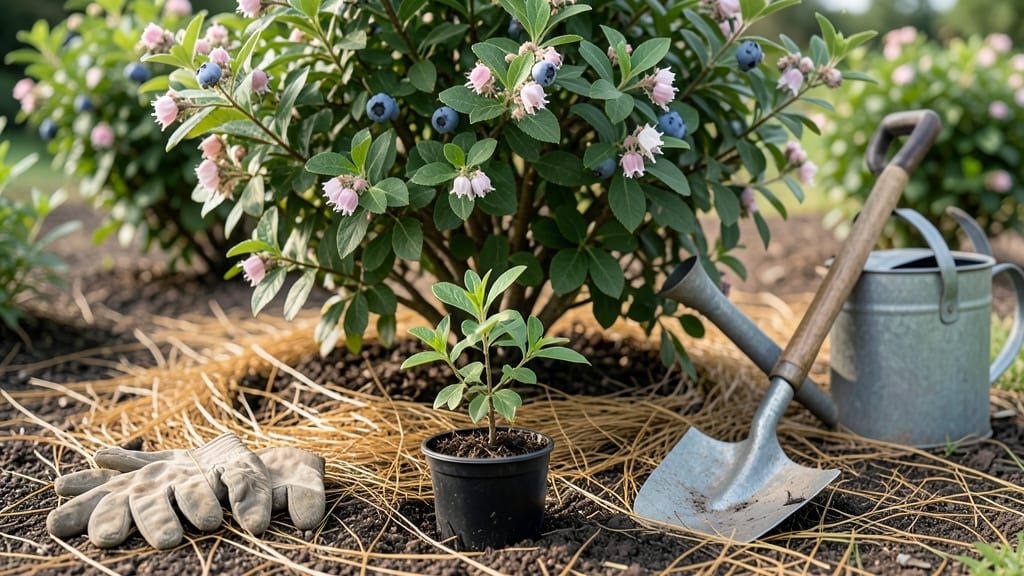
Planting your 🫐 Blueberry Bush at the wrong time in Alabama can mean the difference between a bountiful harvest and years of disappointment. Unlike cooler climates, Alabama’s warm winters demand precise timing—especially when matching chill hours to your chosen variety.
Most gardeners in USDA Zones 7a-8b assume spring is the only option, but fall planting actually gives roots a head start before summer’s heat.
I’ve learned the hard way that Rabbiteye varieties (like ‘Powderblue’) need 300–600 chill hours, while Southern Highbush types thrive with 600–900 hours—and Alabama’s microclimates can shift those needs dramatically.
Whether you’re working with bare-root saplings or container-grown bushes, the ideal window stretches from late October through November or February to March. But here’s the catch: soil temperature matters just as much as calendar dates.
We’ll break down how to time your planting for Alabama’s unpredictable frost risks and soil conditions.
By the end, you’ll know exactly when to plant for maximum fruit set—and how to adjust for your specific corner of the state. Let’s get those bushes in the ground the right way.
Best planting times for blueberries in Alabama based on chill hours
Alabama’s diverse climate—from the cooler Appalachian foothills to the humid Gulf Coast—means blueberry bushes need careful timing to thrive. The key factor? chill hours, the number of hours below 45°F your bushes need to set fruit.
Most Alabama varieties require 300–900 chill hours, but Southern Highbush (300–500 hours) and Rabbiteye (500–900 hours) have different needs.
In North Alabama (USDA Zones 7a–7b), where winters are slightly cooler, you’ll find more chill hours (up to 900 hours), making Rabbiteye varieties like ‘Powderblue’ ideal.
Meanwhile, South Alabama (Zones 8a–8b) often falls short of 500 chill hours, so Southern Highbush types like ‘Peach Sorbet’ are better suited.
🌱 Pro Tip: Check your local chill-hour map (available from the Alabama Cooperative Extension) to pinpoint your exact needs.
| Variety | Chill Hours | Best Planting Window | USDA Zones |
|---|---|---|---|
| Southern Highbush (e.g., 'Peach Sorbet') | 300–500 | Late October–November or February–March | 8a–8b (South AL) |
| Rabbiteye (e.g., 'Powderblue') | 500–900 | October–November (fall) preferred | 7a–7b (North AL) |
| Half-High (e.g., 'Climax') | 400–600 | November–December or January | 7b–8a (Transition Zones) |
For bare-root bushes, plant as soon as possible after purchase—these are dormant plants that need to establish roots before spring growth begins. Aim for October–November in most of Alabama, when soil temps drop below 60°F but frost isn’t imminent.
If you’re planting container-grown bushes, timing is more flexible. They can handle transplanting in late winter (February–March) as long as the ground isn’t frozen. Just ensure they’re well-watered for the first 2–3 weeks to reduce shock.
💧 Warning: Avoid planting in summer heat (June–August), when stress from high temps and drought can stunt growth. Even in fall planting, wait until soil temps drop below 60°F to prevent root burn.
In North Alabama, where winters are cooler, you can push planting into early December if the ground isn’t frozen. However, South Alabama’s warmer winters mean December plantings risk early spring heat stress, so November is ideal there.
Once planted, mulch heavily (3–4 inches of pine straw or wood chips) to insulate roots and maintain acidic soil conditions. This mimics their natural bog-like habitats and helps retain moisture during Alabama’s unpredictable dry spells.
🌿 Key Takeaway: Match your blueberry variety to your chill hours and plant in fall (October–November) for the best success in Alabama’s climate.
How to adjust planting for Alabama’s unpredictable weather patterns
Alabama’s weather can throw even the most experienced gardener for a loop—one week brings unexpected frost, the next delivers a sudden heatwave. For blueberry bushes, these swings mean the difference between a thriving plant and a struggling one.
I’ve learned that soil temperature is just as critical as calendar dates, especially when planting in USDA Zones 7a-8b.
Most gardeners focus on frost dates, but blueberries need warm soil (50–60°F) to root properly. If you plant too early in fall, roots may stall before winter. Conversely, planting in late spring risks heat stress before roots establish.
The key? Monitor both air and soil temps—plant when daytime highs stay above 50°F but nights don’t dip below 40°F.
Here’s my foolproof strategy: Use a soil thermometer to confirm 60°F soil temps before planting. In North Alabama (cooler microclimates), aim for October 15–November 15. In South Alabama (warmer zones), stretch planting to December 1–January 15—just avoid freeze warnings.
⚠️ Watch for Alabama’s “False Springs”
Don’t be fooled by unseasonably warm spells in late winter. Blueberries planted in February–March risk late frosts (common in North Alabama). Wait until after the last average frost date—typically mid-March in Huntsville but early March in Birmingham.
Pro tip: Cover young plants with frost cloth if temps drop below 28°F.
Alabama’s clay-heavy soils also demand prep work. Amend with peat moss or pine bark to improve drainage, and mulch with pine straw (pH-neutral) to retain moisture. I’ve seen blueberries planted in unamended clay suffocate—roots can’t breathe, leading to root rot.
Post-planting, water deeply (1–2 gallons per bush) to encourage root growth. Avoid overhead watering—wet foliage invites fungal diseases like botrytis, common in Alabama’s humidity. Instead, use a drip irrigation system or soaker hose.
Finally, monitor for heat stress in late spring. If temps hit 90°F+, shade young plants with shade cloth (30%) until they establish. I’ve seen blueberries in Mobile’s heat wilt within weeks if not protected—don’t let that happen to yours!