
Plants
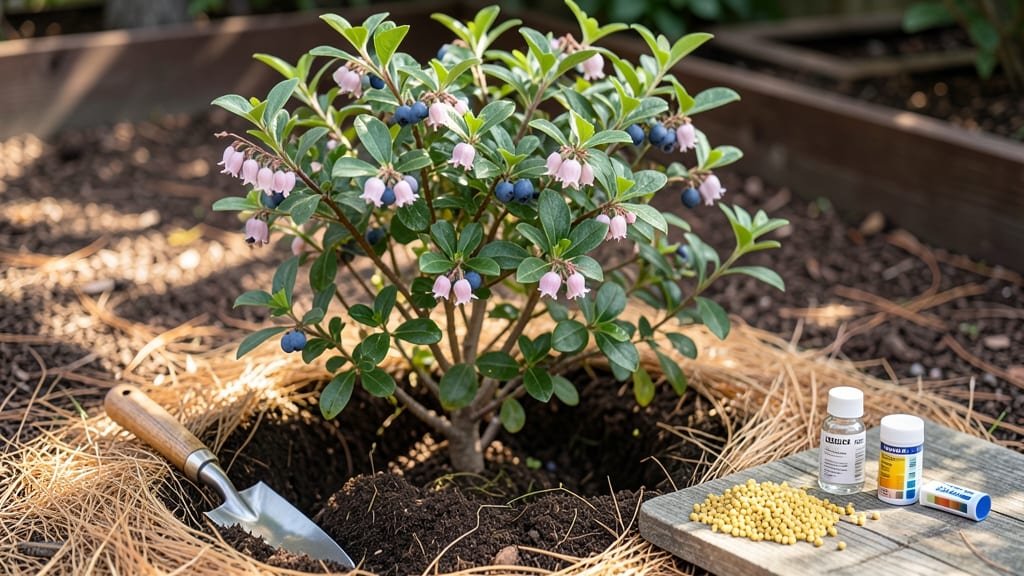
Planting your 🫐 Blueberry Bush at the wrong time in Mississippi could mean struggling with poor growth or even losing your plants entirely—especially when summer heat arrives. The key to success lies in understanding your region’s chill-hour requirements and matching them with the perfect planting window.
Most Mississippi gardeners get it right by planting between October and February, when the soil is cool but not frozen. This timing gives your blueberries the best chance to establish strong roots before the heat of spring and summer kicks in.
But there’s more to it than just picking a month—soil prep, variety selection, and even microclimates play a role.
If you’re aiming for a reliable harvest by late spring or early summer, you’ll want to focus on varieties that thrive in Mississippi’s 8a-9a zones.
I’ll walk you through the best months to plant, how to prep your soil for acidic-loving blueberries, and why some gardeners swear by fall planting for bare-root bushes.
Ready to avoid common mistakes and set your blueberries up for success? Let’s dive into the exact steps that will help you grow a thriving bush—no matter where you are in the state.
Mississippi’s best planting months for blueberries based on chill-hours
Mississippi’s warm winters and long growing season create unique challenges for blueberry planting. Unlike northern states, we don’t get the 900+ chill-hours many varieties need. Instead, we focus on 300-600 chill-hour varieties that match our climate.
Planting at the wrong time can lead to poor root establishment or even plant death during summer heat.
The key is planting when soil temperatures are cool (50-60°F) but before spring heat arrives. This gives roots time to establish before the Mississippi heatwave begins. Let’s break down the best windows for your specific region.
🌱
| Planting Window | Best Months | Chill-Hours Needed | Soil Temp | Notes |
|---|---|---|---|---|
| Early Spring | February-March | 300-600 | 50-60°F | Best for container-grown plants; avoid frost |
| Late Fall | October-November | 300-500 | 60-70°F | Ideal for bare-root plants; roots establish before winter |
| Winter (Emergency) | December-January | 300-400 | 40-50°F | Only for dwarf varieties; protect from freeze |
For northern Mississippi (USDA Zone 8a), aim for February-March planting when chill-hours are sufficient. Southern areas (Zone 9a) should plant in October-November to avoid summer stress. Always check your local frost dates—Mississippi’s last frost typically occurs around March 15 in most regions.
If you’re planting bare-root bushes, late fall (October) is ideal—they’ll establish roots before summer heat arrives. For container-grown plants, early spring (February-March) gives them time to adapt before the growing season peaks. Never plant in summer heat—transplant shock will kill your bushes.
Avoid planting in May or later unless you’re in the Pine Belt region, where slightly cooler microclimates exist. Even then, acclimate plants gradually to full sun to prevent leaf scorch. Harden off container plants by moving them outdoors for 2-3 hours daily before full transplant.
Pro tip: Use mulch heavily after planting to retain moisture and regulate soil temperature. Pine straw works well in Mississippi’s acidic soil. Monitor soil moisture closely—overwatering can cause root rot in our heavy clay soils.
🌿
Remember, chill-hour requirements determine variety success. Southern Highbush varieties (like Premier or Climax) thrive in Mississippi’s 300-600 chill-hour range. If you plant a northern variety needing 900+ hours, it will leaf out but produce no fruit. Always match your variety to your microclimate!
For container growing, plant anytime soil temps are above 50°F. Just ensure your pots have drainage holes and use a well-draining mix with peat moss to maintain acidity. Containers heat up faster in Mississippi’s sun, so keep them in partial shade during peak summer afternoons.
How to choose blueberry varieties that thrive in Mississippi’s climate
Mississippi’s warm climate means not all blueberry varieties will thrive—some need more chill-hours than our winters provide. The key is selecting Southern Highbush varieties (like Premier or Climax) that match your specific region’s 300-900 chill-hour range.
Northern MS (Zones 7-8) can handle 600+ chill-hours, while southern MS (Zone 9) needs 300-500 chill-hour varieties to avoid poor fruiting.
For example, Southern Blueberry varieties like ‘Peach Sorbet’ (300-400 chill-hours) are perfect for Jackson or Gulf Coast areas, while ‘Climax’ (700+ chill-hours) works better in Tupelo or Oxford. Always check the USDA chill-hour map for your exact location to avoid disappointment.
Heat tolerance is another critical factor. Mississippi’s summers can push 95°F+ temperatures, so look for varieties with disease resistance (like ‘Aureole’ or ‘Powderblue’) to combat fruit rot and mummy berry. These varieties also handle our humid summers better than traditional Northern Highbush types.
🌱 Top Mississippi Blueberry Varieties
| Variety | Chill-Hours | Heat Tolerance | Best For |
|---|---|---|---|
| Premier | 600-900 | High | Northern MS |
| Climax | 700-900 | High | Central MS |
| Peach Sorbet | 300-400 | Very High | Southern MS |
| Aureole | 400-600 | High | Coastal MS |
If you’re unsure about your chill-hours, use a home weather station or check local Cooperative Extension Service data. For example, Hattiesburg (Zone 8a) averages 650 chill-hours, while Biloxi (Zone 9a) only gets 400. Planting a 600+ chill-hour variety in Biloxi could mean no fruit—so match carefully!
Pro tip: Start with one variety to test your soil and microclimate before expanding. I planted ‘Climax’ in my Zone 8a garden last year, and it’s now producing 2 gallons of berries annually—proof that the right variety makes all the difference in Mississippi’s heat.
🌱