
Plants
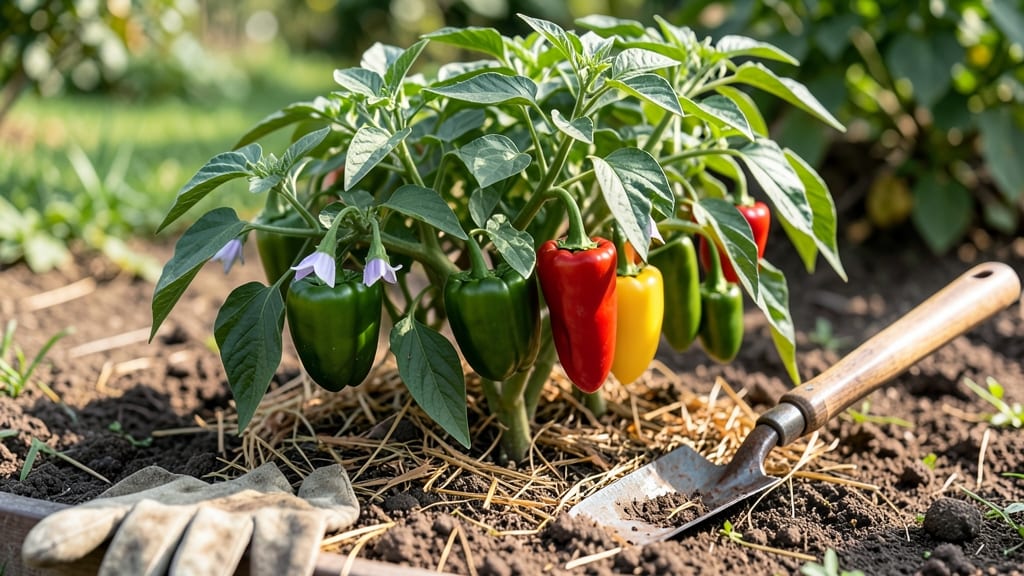
Timing your 🌶️ bell pepper planting in Virginia isn't just about avoiding frost—it's about unlocking a harvest that stretches from July to October.
With USDA zones ranging from 6a to 8a, the perfect window shifts dramatically between the Piedmont and the coast, where coastal breezes can delay spring just as much as mountain chill does inland.
Most Virginia gardeners wait until mid-April to mid-May after the last frost—typically between March 15 and April 15—but soil temperature is the real game-changer.
Your peppers won’t thrive until the ground hits at least 60°F, a threshold that arrives weeks after frost risk fades in cooler zones like 6a. That’s why black plastic mulch or row covers can shave 2-3 weeks off your planting timeline.
Here’s the kicker: planting too early in Zone 6a risks stunted growth, while waiting too long in Zone 8a cuts your harvest short.
I’ll break down the exact deadlines for each zone, plus pro tips for extending your season—whether you’re using cold frames or succession planting to squeeze every last pepper from your garden.
Skip the guesswork and learn how to align your planting with Virginia’s microclimates for a bumper crop. Let’s get those 🌶️ bell peppers growing strong from the start.
Virginia planting deadlines by USDA Zone: exact dates for bell pepper success
Bell peppers are heat-loving plants that need at least 70°F soil to thrive. In Virginia, your USDA zone determines the perfect planting window—whether you're in coastal Norfolk (Zone 8a) or mountainous Blacksburg (Zone 6b).
The last frost date isn't the only factor; soil warmth and microclimates play a huge role.
For Zone 4-5 (northwest Virginia), start seeds indoors by March 1 and transplant after May 15. In Zone 6-7 (central Virginia), you can plant transplants directly outdoors April 15-May 1. Zone 8a gardeners (Tidewater region) enjoy a longer season and can plant as early as March 15.
Here’s how Virginia’s USDA zones break down for bell pepper planting:
Check your local agricultural extension office for 2024 frost projections, as microclimates can shift dates by 2-3 weeks. For example, Roanoke (Zone 7a) might align with central Virginia, while Charlottesville (Zone 7b) leans toward coastal timing.
If you’re starting seeds indoors, begin 8-10 weeks before your last frost date. Use grow lights to provide 12-14 hours of light daily—bell peppers need plenty of light to prevent leggy seedlings. Harden off seedlings for 7-10 days before transplanting to avoid shock.
For container gardening, use 5-gallon pots and plant after May 1 in most zones. Containers warm up faster, so you can often plant 1-2 weeks earlier than in-ground. Just ensure pots have drainage holes to prevent root rot.
Pro tip: Black plastic mulch raises soil temperature by 5-10°F, letting you plant 2 weeks earlier in cooler zones. It also suppresses weeds and retains moisture—ideal for Virginia’s clay-heavy soils.
Remember, late summer plantings (June-July) can still produce peppers if given enough warmth and water. Just expect a smaller harvest before the first frost. For continuous yields, try succession planting every 2 weeks in Zone 7-8.
🌱
How to extend Virginia’s bell pepper growing season: cold frames, row covers & succession planting
Virginia’s short growing season can limit bell pepper harvests, but smart gardeners use tricks to push yields earlier and later. With the right tools, you can enjoy sweet peppers from June to October—or even longer! The key is combining season-extending methods with succession planting to maximize your garden’s potential.
Start by choosing cold-hardy varieties like ‘Aristotle’ or ‘Carmen,’ which tolerate cooler temperatures better than standard types. These varieties can handle 50°F soil temps for short periods, giving you a head start. Pair them with protective gear like row covers or low tunnels to shield plants from unexpected chills.
For a visual guide, here’s how to extend your season effectively:
Don’t overlook container gardening for late-season peppers. Move pots to a garage or porch at night if temperatures dip below 50°F. A simple plastic barrel wrap around the pot adds insulation and can add 2-3 extra weeks to your harvest.
For coastal Virginia gardeners in Zone 8a, focus on succession planting instead of cold protection. The milder climate allows for year-round growth with minimal risk of frost. Plant every 3 weeks from March to August for a nonstop pepper supply.
Pro tip: Keep a planting journal to track what works best in your microclimate. Note which varieties thrive, when you planted, and how long your season truly lasts. Over time, you’ll refine your strategy for bigger, earlier, and later harvests every year. 🌱