
Plants
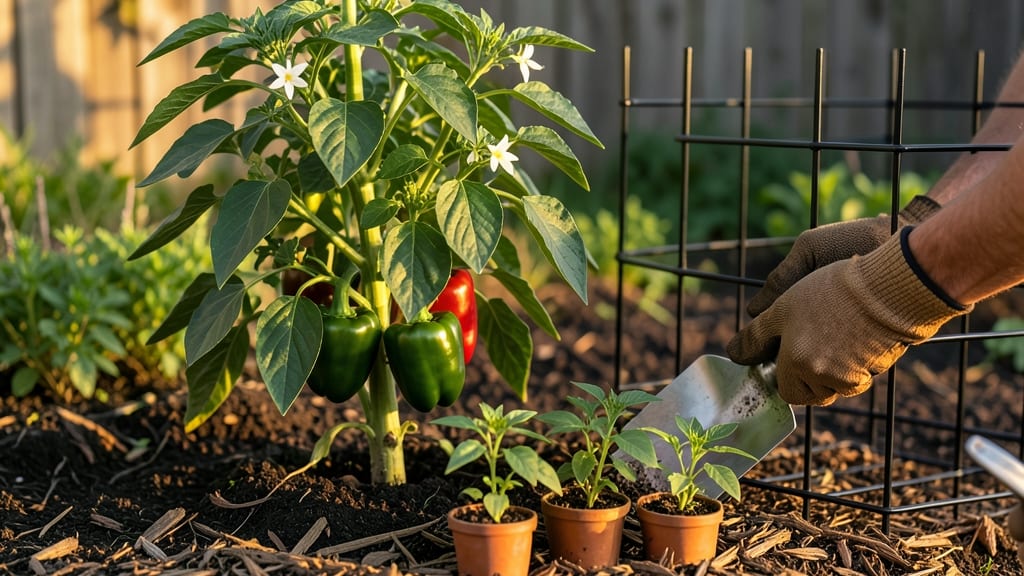
Planting your 🌶️ bell peppers at the wrong time in Tennessee can mean the difference between a thriving garden and a sad, frost-nipped disappointment.
The key to success isn't just waiting for spring—it's knowing exactly when your region's last frost has passed and the soil has warmed enough to support these heat-loving plants.
With Tennessee's USDA zones 6a-7b offering varied climates, timing matters more than you might think. Plant too early, and your seedlings will shiver under unexpected cold snaps; too late, and you'll miss the July-October harvest window entirely.
Whether you're in the cooler Appalachian foothills or the warmer Nashville heat dome, getting this right ensures your peppers grow strong and productive.
I'll walk you through the exact planting windows for your Tennessee region, from April 15 to June 1, plus soil temperature tricks to give your peppers the perfect start. Let's make sure your garden is ready when the time comes—because these sweet, spicy rewards are worth the wait.
You'll also discover how to adjust for Tennessee's unpredictable weather, choose the best varieties for your microclimate, and even extend your growing season for late harvests. Ready to grow peppers that actually thrive? Let's get started.
Tennessee’s last frost dates by region: exact timing for bell pepper planting
Tennessee’s diverse climate—from the Appalachian foothills to the Nashville heat dome—means last frost dates can vary by 3-4 weeks across regions. For bell peppers, which thrive in warmth, planting at the right time ensures healthy seedlings and maximum yields.
Let’s break down the optimal planting windows for Tennessee’s three key regions: East, Middle, and West.
In East Tennessee (USDA zones 6b-7a), including Chattanooga and Knoxville, the average last frost date falls between April 15 and May 1. This region’s cooler nights and higher elevation make it ideal for early-maturing varieties like ‘Sweet Banana’ or ‘California Wonder.’
For West Tennessee (Memphis, Jackson), expect last frosts around March 20-April 5, allowing a longer growing season. The Middle Tennessee (Nashville) zone typically sees its last frost by April 10.
🌱 Pro Tip: Always check your local Almanac frost date (e.g., Old Farmer’s Almanac)—microclimates (like valleys or urban heat islands) can shift dates by 1-2 weeks.
| Region | USDA Zone | Avg. Last Frost | Optimal Planting Window | Soil Temp. Threshold |
|---|---|---|---|---|
| East TN (e.g., Knoxville, Chattanooga) | 6b-7a | April 15–May 1 | May 1–June 1 (transplant) or June 15 (direct sow) | 60°F (15°C) |
| Middle TN (e.g., Nashville, Murfreesboro) | 7a-7b | April 10 | April 15–May 15 (transplant) or May 20 (direct sow) | 60°F (15°C) |
| West TN (e.g., Memphis, Jackson) | 7b-8a | March 20–April 5 | March 25–April 15 (transplant) or April 20 (direct sow) | 65°F (18°C) |
🌡️ Key: Wait until soil temps reach 60°F+ for transplants; 65°F+ for direct sowing.
For direct sowing (planting seeds outdoors), aim for 2-3 weeks after your region’s last frost date. This gives the soil time to warm up—bell pepper seeds won’t germinate below 65°F (18°C).
In East Tennessee’s cooler zones, consider starting seeds indoors 8-10 weeks before the last frost (around February 15) for an earlier harvest.
In West Tennessee’s warmer microclimates, you can push the envelope with late summer plantings (August) for a fall harvest. Use shade cloth to protect seedlings from intense afternoon sun during these hotter months.
Just be sure to choose short-day varieties like ‘Jupiter’ or ‘Aristotle’ for these later plantings.
🌿 Regional Tip: If you’re in the Appalachian foothills, watch for late frosts into early May. Use row covers or a cold frame to shield seedlings until nighttime temps stay above 50°F (10°C) consistently.
After transplanting, mulch heavily with straw or black plastic to keep soil temps stable and water deeply (1-2 gallons per plant) to encourage root growth. In Nashville’s heat dome, mulch also helps prevent soil-borne diseases like pepper blight, which thrives in humid conditions.
✂️ Action Step: Mark your calendar for 2 weeks after your region’s last frost date—this is your transplant deadline. Seedlings left in pots too long become root-bound and struggle to establish.
How to adjust planting dates for Tennessee’s unpredictable weather patterns
Tennessee’s weather can shift faster than a summer storm—one day it’s 70°F, the next it’s 40°F. To protect your bell pepper seedlings, you’ll need flexible strategies. Start by checking the 10-day forecast before transplanting outdoors.
If nighttime temps dip below 50°F, delay planting or use protective measures like row covers or black plastic mulch to warm the soil faster.
For East Tennessee’s Appalachian foothills, late frosts can linger until May 1. Plant heat-loving varieties like ‘Carolina Wonder’ only after May 15 or use a cold frame to extend your season.
In West Tennessee’s heat dome, early planting in March risks soil still being too cold—wait until soil hits 60°F (use a soil thermometer!).
Tennessee’s Appalachian region can see late frosts as late as May 15. If you plant early, use frost cloth or a mini greenhouse to shield seedlings. Remove covers during the day to avoid overheating.
To extend your harvest, try succession planting every 2 weeks from April 15 to June 1. This ensures a steady supply of peppers even if early plantings struggle. For late-season varieties, start seeds indoors in July and transplant into a greenhouse or high tunnel for fall harvests.
Soil temperature is just as critical as air temperature. Use a soil thermometer to confirm it’s at least 60°F before planting. If it’s cooler, lay down black plastic mulch 1-2 weeks before transplanting to warm the soil naturally. This trick can shave off 10-14 days of waiting time.
Don’t forget about microclimates—your backyard might be warmer than the official forecast. South-facing slopes or urban areas with heat islands can be 5-10°F warmer than surrounding regions. Adjust your planting dates 1-2 weeks earlier in these spots. Always monitor local weather alerts for frost advisories.
For extra insurance, harden off seedlings for 10-14 days before transplanting. Gradually expose them to outdoor conditions (wind, sun, temperature swings) to build resilience. This step can mean the difference between thriving plants and frost-nipped failures.