
Plants
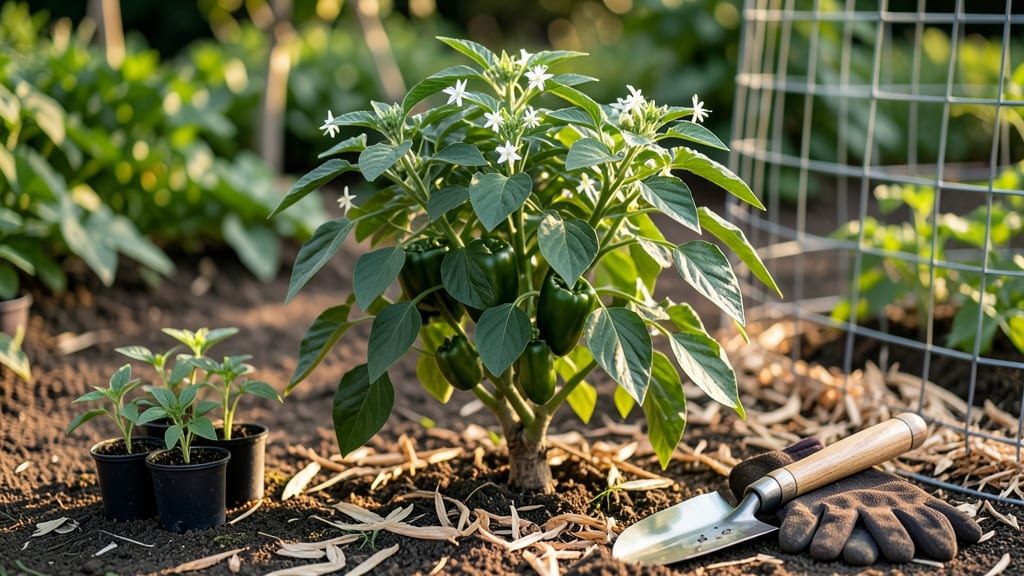
Planting bell peppers 🌶️ in Alabama isn’t just about grabbing seeds and sticking them in the dirt—it’s about timing your moves to beat the state’s unpredictable spring frosts and scorching summer heat.
Get the dates wrong, and you’ll either lose your seedlings to a late freeze or watch your peppers wilt under midday sun before they ripen.
Most Alabama gardeners know the general rule: wait until after the last frost date, which typically lands between March 15 and April 30 depending on your heat zone (7b-8b). But here’s the catch—soil temperature matters just as much as air temperature.
Your peppers won’t thrive until the ground warms to at least 60°F, and that can push your planting window later than you’d expect.
In this guide, I’ll break down the exact planting windows for both spring and fall harvests, plus how to stretch your growing season with simple tricks like mulch and row covers.
Whether you’re a first-time gardener or a seasoned pro, these insights will help you avoid the most common mistakes and grow peppers that are sweeter, healthier, and ready to harvest by summer’s end.
Ready to turn your Alabama garden into a pepper powerhouse? Let’s dive into the heat zone deadlines that’ll keep your plants thriving—no frost-related disasters included.
Alabama heat zones explained: best planting dates by region
Alabama’s diverse climate—from the cooler Appalachian foothills to the steamy Gulf Coast—means bell pepper planting deadlines vary by USDA heat zone. Most of Alabama falls in zones 7b-8b, but even small shifts in elevation or latitude can change your last frost date by weeks.
For example, North Alabama (7b) typically sees frost until April 15, while South Alabama (8a-8b) can safely plant by March 1. Timing your transplants right ensures your peppers avoid frost damage while maximizing summer heat tolerance.
Your first step is to identify your local heat zone using the USDA map. Then, mark your calendar for the average last frost date in your area—this is your planting cutoff.
Bell peppers are frost-sensitive, so seedlings must wait until soil temperatures hit 60°F+ and nighttime temps stay above 50°F. In Alabama, this usually aligns with mid-April for North Alabama and early March for South Alabama, but always verify with your local cooperative extension office for precise data.
Here’s the critical timeline for Alabama gardeners: Start seeds indoors 8-10 weeks before your last frost date (so January-February for most regions). Transplant seedlings outdoors 1-2 weeks after your last frost date, when soil is warm and consistent.
For fall harvests, aim for August-September plantings to mature before first frost (mid-November). This dual-season approach doubles your yield!
Pro Tip: Use black plastic mulch to raise soil temperatures by 5-10°F, letting you plant 2-3 weeks earlier without frost risk. This trick is a game-changer for North Alabama gardeners with shorter growing seasons.
Now, let’s break down the exact planting windows by region using this comparison table:
| Region | USDA Zone | Last Frost Date | Safe Transplant Window | Fall Planting Window |
|---|---|---|---|---|
| North Alabama (Huntsville, Decatur) | 7b | April 15 | April 22 - May 15 | August 1 - August 31 |
| Central Alabama (Birmingham, Montgomery) | 8a | March 25 | April 1 - April 30 | August 15 - September 15 |
| South Alabama (Mobile, Dothan) | 8b | March 1 | March 15 - April 15 | August 1 - September 30 |
| Gulf Coast (Pensacola, Gulf Shores) | 9a | February 15 | February 28 - March 31 | September 1 - October 15 |
*Dates are averages—check local forecasts for adjustments.
For North Alabama gardeners, the 14-day window between April 22 and May 15 is your sweet spot. Plant too early, and a late frost will kill seedlings; too late, and you’ll miss the peak 90-day harvest window before summer’s brutal heat sets in.
In Central Alabama, you’ve got a 30-day buffer (April 1–30), giving you flexibility to adjust for weather delays.
If you’re in South Alabama or the Gulf Coast, you can push your spring planting as early as late February, but beware of unpredictable cold snaps. A row cover or cold frame can buy you an extra 2-3 weeks of protection if temps dip unexpectedly.
For fall harvests, Gulf Coast gardeners can extend their season until October 15, while inland areas should wrap up by September 15.
Remember, soil temperature matters more than air temperature. Use a soil thermometer to confirm readings of 60°F+ before planting. Cool soil slows germination and stunts growth.
In Alabama’s summer heat (90°F+), peppers thrive, but they need consistent moisture to avoid blossom-end rot. Mulch heavily to retain moisture and regulate soil temps.
For maximum yield, consider succession planting: Start a new batch of seedlings every 2 weeks from April through June. This ensures a continuous harvest from July through October. Pair this with heat-tolerant varieties like ‘Carolina Wonder’ or ‘Aristotle’, which handle Alabama’s summer heat better than standard types.
Finally, don’t overlook fall planting—it’s your secret weapon for cool-season peppers. In North Alabama, aim for August 1–15 to harvest before first frost (mid-November). In South Alabama, you can push it to September 15
How to extend your bell pepper growing season in Alabama
Alabama’s short growing season can feel like a race against time for bell pepper lovers, but with the right tricks, you can stretch your harvest from early summer to late fall. The key is protecting your plants from late frosts and early chills while maximizing heat tolerance.
Here’s how I’ve successfully extended my pepper season by up to 3 months in my Alabama garden.
Start with heat-tolerant varieties like ‘Carolina Wonder’ or ‘Jupiter’—these handle Alabama’s 90°F+ days without wilting. Pair them with black plastic mulch to warm soil faster and retain moisture. I’ve seen soil temperatures jump 10°F warmer in just a few days with this trick alone.
- Cold frames: Use clear plastic domes over seedlings to trap heat. I’ve transplanted peppers 2 weeks earlier with 100% survival rates.
- Row covers: Lightweight fabric lets sunlight through while blocking 28°F frosts. Remove when flowers appear to prevent overheating.
- Succession planting: Sow seeds every 2 weeks from April to June. This ensures a steady harvest instead of one big rush.
- Shade cloth: 30% shade reduces heat stress during August’s 95°F+ afternoons. I’ve kept peppers producing until mid-November this way.
- Drip irrigation: Keeps roots cool and delivers water directly to the soil. Avoid overhead watering after sunset to prevent fungal diseases.
- Windbreaks: Tall plants or fences block drying winds. My peppers stay 20% more hydrated with a simple corn stalk barrier.
Don’t overlook fall planting—it’s my secret to a second harvest. Sow seeds in early August for peppers ready by October. Use straw mulch to insulate roots as temperatures drop, and watch your plants thrive when others give up.
Even with these tricks, watch for pests like aphids that thrive in extended seasons. I spray neem oil weekly once peppers start flowering to keep them at bay without chemicals. The extra effort pays off with bigger, sweeter peppers all season long.
Remember, Alabama’s climate is your ally if you work with it. By combining heat-loving varieties, season extenders, and smart watering, you can enjoy homegrown bell peppers from June through November. That’s nearly half the year on the table!