
Plants
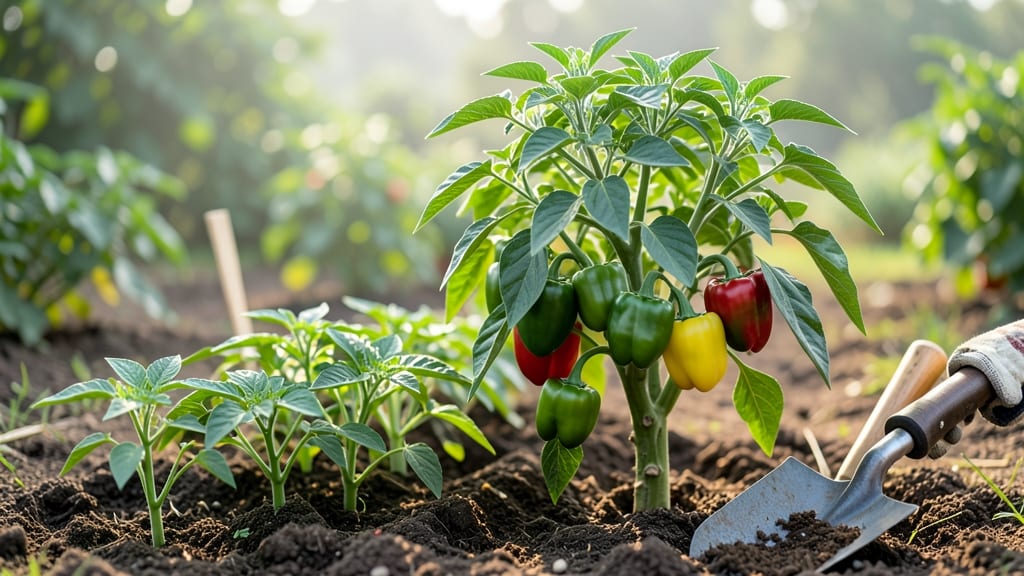
Planting bell peppers 🌶️ in Kentucky at the wrong time means watching your seeds bolt into flower instead of growing into juicy harvests. The key to success?
Starting them indoors by March 15 or transplanting after soil warms to 60°F—typically mid-April to mid-May—when the last frost has passed for good.
Kentucky’s USDA zones 6a-7a demand precision because cool springs and sudden cold snaps can stall growth. Rushing seeds too early leads to leggy, weak plants, while waiting too long cuts your harvest window short.
I’ll show you exactly when to begin seeds, when to move them outside, and how to adjust for your specific microclimate—so you avoid the 3 biggest mistakes Kentucky gardeners make every year.
Whether you’re growing sweet ‘Carolina Wonder’ or spicy ‘Jupiter’ peppers, timing matters more than variety. Learn how to stretch your growing season, protect young plants from late frosts, and even squeeze in a second crop if your summer stretches into October. Let’s get those peppers thriving from seed to table.
Ready to skip the guesswork? I’ll break down the exact dates for your planting method—whether you’re starting seeds indoors or setting out transplants—plus pro tips to keep your plants happy until harvest. No more wasted seeds or empty garden beds!
Optimal Kentucky bell pepper planting dates by method (seed vs transplant)
Kentucky’s USDA Zones 6-7 demand precision when planting bell peppers—one wrong move, and your plants bolt before producing fruit. The key? Understanding soil temperature thresholds (minimum 70°F) and last frost dates (typically April 15).
Whether you’re starting seeds indoors or transplanting seedlings, these exact windows will prevent wasted effort.
For direct seeding, wait until mid-May when soil temperatures consistently stay above 70°F. This aligns with Kentucky’s average last frost date and gives peppers enough warmth to germinate without risking frost damage.
If you’re transplanting seedlings, aim for late April to early May, once nighttime temperatures stabilize above 55°F.
Here’s the critical difference: Indoor starts give you a 2-week head start over direct sowing.
If you begin seeds 8-10 weeks before your last frost (around February 15), you’ll have robust seedlings ready for transplanting by April 15, ensuring a longer harvest window before Kentucky’s first fall frost (October 15).
Pro Tip: Use a soil thermometer to confirm temperatures. Peppers won’t germinate below 65°F, and seedlings stunt below 60°F. Rushing seeds into cold soil is a common Kentucky mistake that leads to leggy, weak plants.
| Method | Indoor Start Date | Outdoor Transplant Date | Direct Sow Date | Soil Temp Requirement |
|---|---|---|---|---|
| Starting Seeds Indoors | February 15 - March 1 | April 15 - May 1 | N/A | 60°F+ (daytime) |
| Transplanting Seedlings | N/A | April 15 - May 1 | N/A | 60°F+ (soil) |
| Direct Sowing | N/A | N/A | May 15 - June 1 | 70°F+ (soil) |
Adjust dates 1-2 weeks earlier for southern Kentucky (warmer microclimates) or later for northern regions.
Why these dates matter: Bell peppers need 90-120 days to mature, and Kentucky’s 165-day frost-free season leaves little room for error. Planting too early risks frost damage; too late, and you’ll miss the harvest window.
For longer harvests, consider successive plantings every 2 weeks from April 15 to May 15.
Another critical factor is light exposure. Seedlings need 12-14 hours of light daily to avoid stretching. If using grow lights, supplement natural light to prevent leggy seedlings. In Kentucky’s shorter spring days, this often means running lights until 8 PM or later.
For direct sowing, choose warmer microclimates like urban heat islands or south-facing slopes. These spots can push your planting window 1-2 weeks earlier by trapping heat. Always test soil temperature with a soil thermometer—peppers won’t germinate below 70°F, even if air temps are warm.
If you’re transplanting, harden off seedlings for 7-10 days before moving them outdoors. This gradual adjustment prevents transplant shock, which is especially risky in Kentucky’s unpredictable spring weather.
Acclimate seedlings to outdoor conditions by placing them in partial shade during the day and bringing them in at night.
Remember: Peppers hate cold feet. Use black plastic mulch to warm soil faster and retain moisture. This simple trick can advance your planting window by 1-2 weeks and improve germination rates. Pair it with row covers for extra protection if late frosts threaten.
Finally, track your local frost dates—they can vary 1-2 weeks across Kentucky. Check with your local Cooperative Extension office for hyper-local advice. With these exact planting windows, you’ll avoid the #1 Kentucky gardener mistake: wasting seeds on plants that never produce.
Optimal Kentucky bell pepper planting dates by method (seed vs transplant)
Kentucky’s USDA Zones 6-7 demand precision when planting bell peppers—get the timing wrong, and you’ll face bolting or stunted growth. The key is balancing soil warmth (70°F+) with last frost dates (typically April 15 in most regions).
Whether you’re starting seeds indoors or transplanting seedlings, these windows ensure your peppers thrive from seed to harvest.
For direct seeding, wait until mid-May when soil temperatures consistently stay above 70°F. This delay prevents seed rot and bolting from cool nights. If you’re transplanting seedlings, aim for late April to early May—hardy enough to survive Kentucky’s late frosts but warm enough for root establishment.
🌱 Bell Pepper Planting Timeline for Kentucky
| Method | Indoor Start Date | Outdoor Transplant Date | Direct Sow Date | Soil Temp Requirement |
|---|---|---|---|---|
| Seedlings (Transplant) | March 15–April 1 | April 20–May 10 | N/A | 60°F+ |
| Direct Seeding | N/A | N/A | May 15–June 1 | 70°F+ |
Why these dates? Bell peppers are heat-loving plants that hate cold soil. Seeds planted too early in cool soil won’t germinate, while seedlings transplanted before soil warms will struggle to establish roots. Kentucky’s unpredictable spring makes timing critical—use a soil thermometer to confirm warmth before planting.
Pro tip: If you’re in northern Kentucky (Zone 6a), err on the later side (May 10 for transplants, June 1 for direct seeding). Southern Kentucky (Zone 7a) can start slightly earlier, but always monitor nighttime temperatures—peppers bolt when nights dip below 55°F.
For a second harvest, try late summer planting (July 15–August 1) with fast-maturing varieties like ‘Jupiter’ (60 days). Use row covers to extend the season and protect peppers from Kentucky’s early fall frosts.