
Plants
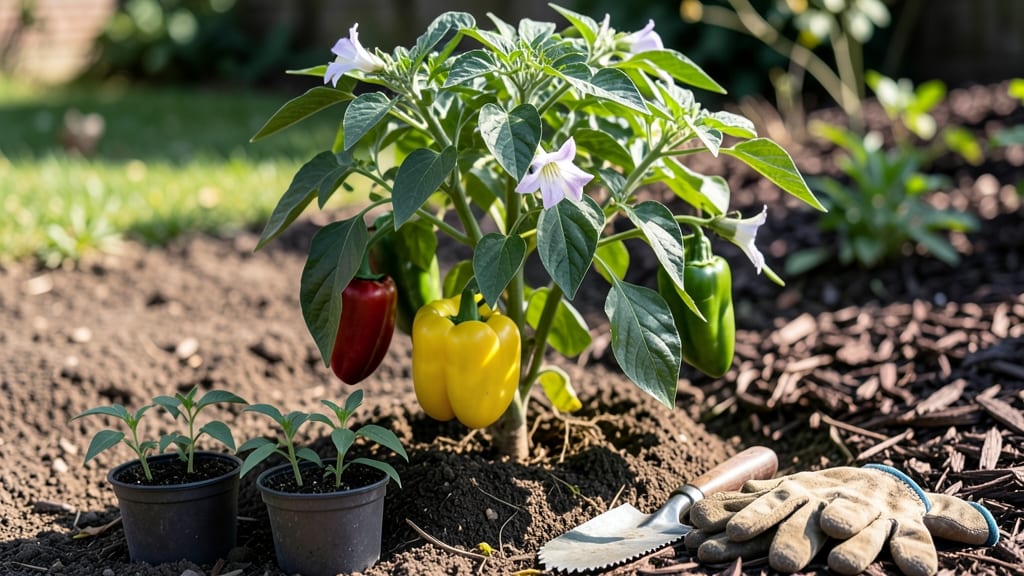
Planting bell peppers in Kansas isn’t just about grabbing seeds and sticking them in the dirt—it’s about timing them perfectly to avoid those cruel late frosts that can turn your hard work into sad, wilted plants.
The window between April 15 and May 15 is your golden opportunity, but even then, soil temperature and microclimates across the state can throw a wrench into the plan.
If you’ve ever wondered why your neighbor’s garden thrives while yours struggles, the answer likely lies in soil warmth and frost-free dates.
Bell peppers (🌶️) need soil that’s at least 60°F to sprout, and Kansas’ 6a zone means you’ve got to play it smart—especially in wetter eastern regions where cold lingers longer than in the drier west.
I’ve spent years testing the best ways to get a head start, from transplanting sturdy starter plants to using row covers for a longer harvest.
Whether you’re a city gardener with containers or a rural farmer with acres, the right approach means juicy peppers from July straight through to October.
Let’s break down exactly when to plant, how to adjust for your corner of Kansas, and the simple tricks that’ll turn your garden into a pepper powerhouse—no guesswork required.
Kansas frost-free dates & ideal bell pepper planting windows by region
Kansas spans USDA Zones 5-7, meaning frost dates vary dramatically from east to west. In Zone 5 (northeast), the last spring frost typically hits around April 20-25, while Zone 7 (southwest) sees frost-free conditions by March 20-25.
Bell peppers need soil temperatures above 60°F and consistent warmth—planting too early risks frost damage, while waiting too late cuts harvest time.
For direct-sown seeds, aim for April 15-May 15 in most of Kansas, but adjust based on your microclimate. Transplants (purchased or homegrown) can go in 2-3 weeks after your last frost date—typically mid-April to early May.
Urban gardeners in Wichita or Kansas City often plant 1-2 weeks later than rural areas due to urban heat islands.
Pro Tip: Use a soil thermometer to confirm 60°F+ soil temps before planting. If soil is cooler, wait or use black plastic mulch to warm it faster. Kansas’ dry western regions (e.g., Garden City) may need extra irrigation during pepper season.
| Kansas Region | USDA Zone | Last Frost Date | Ideal Planting Window | Notes |
|---|---|---|---|---|
| Northeast (e.g., Topeka, Kansas City) | Zone 5 | April 20-25 | May 1-15 | Wait for soil >60°F; use row covers if late frost risk. |
| Central (e.g., Salina, Manhattan) | Zone 6 | April 10-15 | April 25-May 10 | Start transplants indoors by March 15 for early harvests. |
| Southwest (e.g., Wichita, Garden City) | Zone 7 | March 20-25 | April 1-May 1 | Drier climate; mulch heavily to retain moisture. |
| Urban Areas (e.g., Overland Park) | Zone 6-7 | April 15-20 | May 1-10 | Container gardens need daily watering; use heat-tolerant varieties. |
Bell peppers thrive with 75-90 days of warmth, so late-May plantings may only yield small harvests before fall.
For extended seasons, try succession planting: sow half your seeds in early May and the rest in late June for a fall crop. Row covers can push harvests 2-3 weeks later in cooler regions.
Kansas’ first fall frost usually arrives October 15-30, giving peppers 165-180 frost-free days. Heat-loving varieties like 'Jupiter' or 'Carolina Wonder' perform best in this climate, while cooler-tolerant types like 'Aristotle' can handle brief dips below 50°F.
Monitor your local Kansas State University Extension office for hyper-local frost alerts.
In 2022, a late April frost in Sedgwick County (Wichita) delayed plantings by 3 weeks, so flexibility is key. Urban gardeners should also watch for heat waves—bell peppers bolted (flowered prematurely) if stressed by 90°F+ temps.
For container gardening, start seeds 6-8 weeks before your last frost (by February 15) and move pots outside after May 1.
Containers dry out faster, so water daily and use self-watering pots in Zone 7 heat. Dwarf varieties like 'Pico de Gallo' work best in 5-gallon pots.
Remember: Soil prep matters. Amend beds with compost and a balanced fertilizer (10-10-10) before planting. Test your soil pH—bell peppers prefer 6.0-6.8. If your soil is too alkaline (common in Kansas), add sulfur or peat moss.
🌱
Best bell pepper varieties for Kansas & their unique planting timelines
Kansas' variable climate means not all bell pepper varieties thrive equally. Heat-tolerant types like 'Jupiter' or 'Carolina Wonder' handle western Kansas' dry heat, while cooler-loving 'Aristotle' performs better in eastern regions. Choosing the right variety ensures a longer harvest window and better yields.
For spring planting, start seeds indoors by March 1st and transplant after May 15th when soil hits 60°F+. Fall varieties like 'King of the North' can handle cooler temps and extend harvests into October. Succession planting every 2-3 weeks keeps peppers maturing all season.
🌶️ Bell Pepper Variety Comparison for Kansas
| Variety | Heat Tolerance | Planting Window | Harvest Time | Best For |
|---|---|---|---|---|
| Jupiter | High | April 20-May 10 | July-October | Western KS |
| Aristotle | Medium | April 15-May 5 | June-September | Eastern KS |
| Carolina Wonder | High | May 1-June 1 | August-November | Extended season |
| King of the North | Low | April 1-May 15 | June-October | Cooler regions |
If you're in urban Kansas City or Topeka, container gardening works well. Use 5-gallon pots and plant Jupiter or Carolina Wonder varieties. For rural areas, direct sowing after May 15th gives stronger plants. Always use black plastic mulch to warm soil faster.
For fall harvests, plant King of the North by June 15th. This variety handles 50°F nights and produces peppers until first frost. Pair it with row covers for extra protection in USDA Zone 5 areas like Hays or Salina.
Pro tip: Keep a planting journal to track which varieties perform best in your microclimate. Note soil temps, rainfall, and harvest dates. This helps refine your planting schedule each year for consistent success.
Remember, succession planting every 2-3 weeks ensures a continuous pepper supply. Start with 4-6 plants for a family of four, and expand based on your harvest success.