
Plants
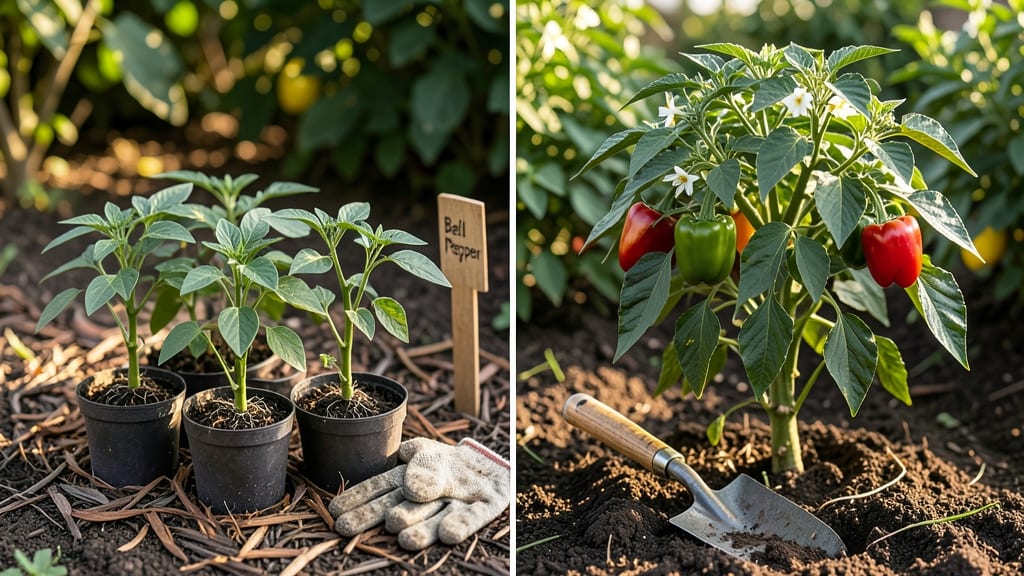
Planting bell peppers 🌶️ in North Carolina at the wrong time can mean the difference between a bountiful harvest and wasted effort. The key to success lies in understanding your region’s frost dates and soil temperatures—because waiting too long risks missing the growing season entirely.
Most NC gardeners know bell peppers thrive in warm weather, but the exact timing varies from the coast to the mountains. Whether you’re starting seeds indoors or transplanting seedlings, getting it right ensures your plants mature before the first frost hits in November.
In this guide, I’ll break down the perfect planting windows for your area, from early spring to late summer succession plantings. You’ll learn how to check soil warmth, avoid common mistakes, and even stretch your harvest into fall.
Ready to grow more peppers than ever? Let’s dive into the frost-free timeline and soil temp secrets that NC gardeners swear by.
Optimal planting dates for bell peppers in NC by region
North Carolina’s diverse climate means your bell pepper planting dates depend heavily on your region—whether you’re in the Coastal Plain, Piedmont, or Mountains. Each area has unique last frost dates and soil warming patterns that dictate when to plant for maximum success.
Let’s break down the ideal windows by zone to help you avoid frost damage and align with your local growing season.
For Coastal NC (USDA zones 8a-8b), like the Outer Banks or Wilmington, you’ll have the longest growing season. Here, you can start planting bell pepper seedlings as early as mid-April, once nighttime temperatures consistently stay above 50°F.
Inland areas like Raleigh or Fayetteville (Piedmont, zones 7b-8a) should wait until late April to early May, while the Mountains (Asheville, zones 7a-7b) typically plant between May 1-15 to avoid late frosts.
To find your exact frost-free date, check the NC State Climate Office or use the Almanac’s Frost Calculator. These tools account for microclimates—like urban heat islands or sheltered valleys—that can shift your planting window by 1-2 weeks.
For example, a garden tucked against a south-facing wall might be 2 weeks earlier than the official date.
Here’s a quick reference for direct sowing vs. transplanting across NC regions. Most gardeners opt for transplants (purchased or homegrown) because bell peppers are slow to germinate in cool soil and need 60-70 days to mature.
Start seeds indoors 8-10 weeks before your last frost date if you’re growing from seed.
The fall planting window is equally critical for a second harvest. Aim to plant bell pepper seedlings between July 15 and August 15 in Coastal NC, shifting to August 1-15 in the Piedmont and August 15-September 1 in the Mountains.
This timing ensures peppers mature before the first frost, typically mid-November in most areas.
Pro tip: Use row covers or black plastic mulch to warm soil faster in spring, or floating row covers to protect fall plantings from early chills. These tricks can extend your planting window by 2-3 weeks in both directions.
🌱
| Region | USDA Zone | Spring Planting Window | Fall Planting Window | Last Frost Date | First Frost Date |
|---|---|---|---|---|---|
| Coastal NC (Wilmington, Outer Banks) | 8a-8b | Mid-April to May 15 | July 15 - August 15 | Late March | Mid-November |
| Piedmont (Raleigh, Greensboro) | 7b-8a | Late April to May 10 | July 30 - August 10 | Early April | Early November |
| Mountains (Asheville, Boone) | 7a-7b | May 1 - May 15 | August 15 - September 1 | Mid-April | Late October |
🌶️ Adjust dates 1-2 weeks earlier for sheltered microclimates or with row covers.
If you’re unsure about your local frost dates, err on the side of caution. Bell peppers are tender annuals that won’t survive temperatures below 32°F, even briefly. A late frost can stunt growth or kill seedlings outright.
To play it safe, use frost cloth or a mini greenhouse for the first 2-3 weeks after transplanting, especially in the Mountains where frosts linger longer.
For succession planting, make a second round of transplants every 2-3 weeks after your initial planting date. This staggered approach ensures a continuous harvest from summer through early fall.
Just be mindful of day length: bell peppers bolt (flower prematurely) when days get too short, so avoid planting too late in summer.
🌿
Remember, soil temperature matters just as much as air temperature. Bell peppers need soil that’s at least 60°F for germination and 70°F+ for robust growth. Use a soil thermometer to check—if it’s cooler than 60°F, wait or use black plastic mulch to warm it up faster.
In cooler zones like the Mountains, consider starting seeds indoors in early April for transplants by early May.
Soil temperature and seedling hardiness: what NC gardeners must know
Bell peppers are warm-weather crops that won’t tolerate cold soil or air temperatures below 50°F. In North Carolina, this means waiting until the soil temperature consistently stays above 70°F before planting. Cold soil slows germination and stunts seedling growth, making them vulnerable to disease.
Use a soil thermometer to check temperatures at a depth of 2-3 inches. Morning is the best time to test, as soil cools overnight. If your thermometer reads below 65°F, delay planting or use protective measures like row covers to shield young plants from chilly nights.
For transplants, harden them off gradually by exposing them to outdoor conditions for 7-10 days before the final planting date. Start with 2-3 hours of sunlight per day and increase by 1 hour daily. This process helps seedlings adapt to NC’s fluctuating spring temperatures and reduces transplant shock.
Late Frost Warning
North Carolina’s last frost dates vary by region—Coastal areas average March 15, while Mountain regions can see frost as late as April 15. If frost is forecasted after planting, cover seedlings with frost cloth or row covers to protect them. Remove covers during the day to allow sunlight.
If you’re direct sowing seeds, wait until the soil is at least 70°F and the air temperature stays above 60°F at night. Seeds planted in cooler soil may take 2-3 weeks longer to germinate or fail entirely.
For faster results, start seeds indoors 8-10 weeks before your region’s last frost date and transplant them once the soil warms.
Amend your soil with compost or aged manure to improve warmth retention and drainage. Bell peppers thrive in well-draining, slightly acidic soil (pH 6.0-6.8). Test your soil’s pH before planting and adjust with lime (to raise pH) or sulfur (to lower pH) if needed.
Healthy soil helps seedlings establish roots quickly and withstand minor temperature fluctuations.
Once planted, mulch around the base of your bell peppers with straw or shredded leaves to regulate soil temperature. Mulch keeps the soil warmer during the day and cooler at night, creating a stable environment for root growth.
Avoid organic mulches that may compact or retain too much moisture, as soggy soil can lead to root rot.