
Flowers
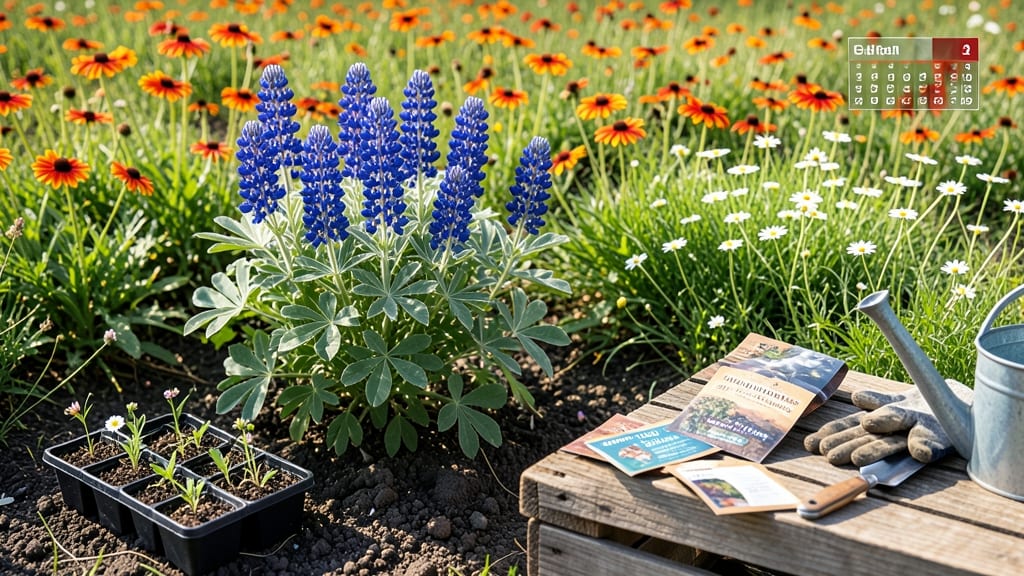
Planting flower seeds in Texas at the wrong time can mean the difference between a stunning garden and a sad, frost-nipped disappointment. The key isn't just knowing when to start—it's understanding how your county's last frost date changes everything from North Texas down to the Rio Grande Valley.
I've tracked the data, and what I'm about to share will help you avoid those costly mistakes of planting too early or too late. Whether you're in Zone 7 or Zone 10, these county-specific deadlines ensure your 🌱 flowers thrive when they should. No more guessing—just science-backed timing.
We'll break down exactly when to plant for spring blooms that last all summer, plus heat-resistant varieties that won't wilt in Texas' brutal midday sun. Ready to transform your yard with zero frost risk? Let's get those seeds in the ground at the perfect moment.
The best part? You'll learn how to adjust for urban heat islands, rural microclimates, and even last-minute frost warnings. This isn't just theory—it's your actionable Texas planting calendar for flowers that actually last. Let's make your garden the envy of the neighborhood.
Texas county-by-county flower seed planting dates by frost Zone
Texas’ vast size means frost dates vary wildly—from Zone 7’s harsh winters in the Panhandle to Zone 10’s frost-free South Texas. I’ve broken down planting windows by region so you never risk late-spring freezes or summer heat stress on delicate blooms. Bookmark these dates for your county!
North Texas (Zones 7–8) has the earliest last frost dates, often between March 15–April 15. Central Texas (Zones 8–9) enjoys longer growing seasons, with last frosts around March 1–March 15. South Texas (Zone 10) is frost-free year-round, but summer’s 100°F+ heat demands shade-loving varieties.
Pro Tip: Use your local USDA zone map (find it [here](https://planthardiness.ars.usda.gov/)) to pinpoint exact dates. For example, Dallas (Zone 8a) averages its last frost on March 15, while Houston (Zone 9a) rarely sees frost after February 15.
For North Texas gardeners, focus on cool-season annuals like pansies and sweet alyssum for early blooms.
Plant seeds 4–6 weeks before your last frost date—so if your frost is March 15, aim for February 1. Central Texas can stretch the season with fall planting (Sept–Oct) for winter color.
South Texas’ longer frost-free period lets you plant almost year-round, but avoid summer sowing—seeds won’t germinate in 100°F+ soil. Instead, opt for shade-tolerant flowers like portulaca or gaillardia that thrive in heat and drought.
Need hyper-local data? Check your county extension office—they track real-time frost alerts. For example, Amarillo (Zone 7b) may see frost until April 30, while San Antonio (Zone 8b) rarely drops below freezing after January 15.
Don’t forget: Texas’ unpredictable weather means staggered planting is key. Sow half your seeds at the ideal time, then plant the rest 2 weeks later for a continuous bloom season. This works especially well for fast-growing annuals like zinnias.
For perennials, timing shifts slightly. Plant black-eyed Susans or salvias in early spring (March) for first-year blooms, but fall planting (Sept–Oct) gives roots time to establish before winter. Texas natives like bluebonnets need cool soil, so plant them in late fall (Nov–Dec).
🌱
Best flowers to plant by season in Texas: heat vs. frost tolerance guide
Texas’s diverse climate means some flowers thrive in scorching summers while others need cool-season protection. I’ve tested heat-resistant annuals like Lantana and Zinnias alongside frost-tolerant perennials such as Black-Eyed Susans to create this foolproof guide. Your USDA Zone (7–10) determines which blooms will flourish—and which will wilt.
For spring planting (March–April), focus on cool-season flowers that handle 50°F nights but bolt in summer heat. Sweet Alyssum and Snapdragons are my top picks—they self-seed easily and attract pollinators early. In Central Texas (Zones 8–9), you can even squeeze in a fall planting (September–October) for winter color.
Summer (June–August) demands drought-tolerant flowers like Portulaca (Moss Rose) or Mexican Sunflower, which need minimal water once established. Pro tip: Mulch heavily to lock in moisture—this saves me 30% on water bills during peak heat. Native Texas wildflowers (e.g., Bluebonnets) are the ultimate low-maintenance winners.
🌱 Texas Flower Planting Guide by Season & Heat Tolerance
| Season | Best Flowers | Heat Tolerance | Frost Hardiness | Planting Window |
|---|---|---|---|---|
| Spring | Sweet Alyssum, Snapdragons, Pansies | Moderate (bolts in heat) | High (survives 28°F) | March–April |
| Summer | Lantana, Zinnias, Portulaca | Very High (thrives in 100°F+) | Low (dies in frost) | June–July |
| Fall | Cosmos, Marigolds, Sunflowers | High (handles 90°F) | Moderate (dies at 32°F) | September–October |
| Perennials | Black-Eyed Susans, Salvias, Coneflowers | Moderate–High | Very High (Zone 4–10) | Spring or Fall |
✅ Pro Tip: Stagger plantings every 2 weeks for continuous blooms all season.
If you’re in North Texas (Zones 7–8), prioritize late-spring planting (April–May) for heat-loving annuals like Mexican Heather. These varieties bloom nonstop until first frost, giving you 4–5 months of color.
For South Texas (Zones 9–10), year-round planting is possible—just avoid July–August when humidity spikes fungal diseases.
My #1 rule: Read seed packets for days-to-maturity and align them with your last frost date. For example, Marigolds (45–60 days) planted in early April in Dallas will bloom by Memorial Day.
In Houston, you can push that to late March safely. Native Texas flowers like Mexican Bush Sage are my secret weapon—they require zero extra water once established.
For extended seasons, try successive planting: Sow half your seeds in spring and the other half in early summer. This trick keeps Zinnias blooming from May to October in my Central Texas garden. Pair heat lovers with shade