
Plants
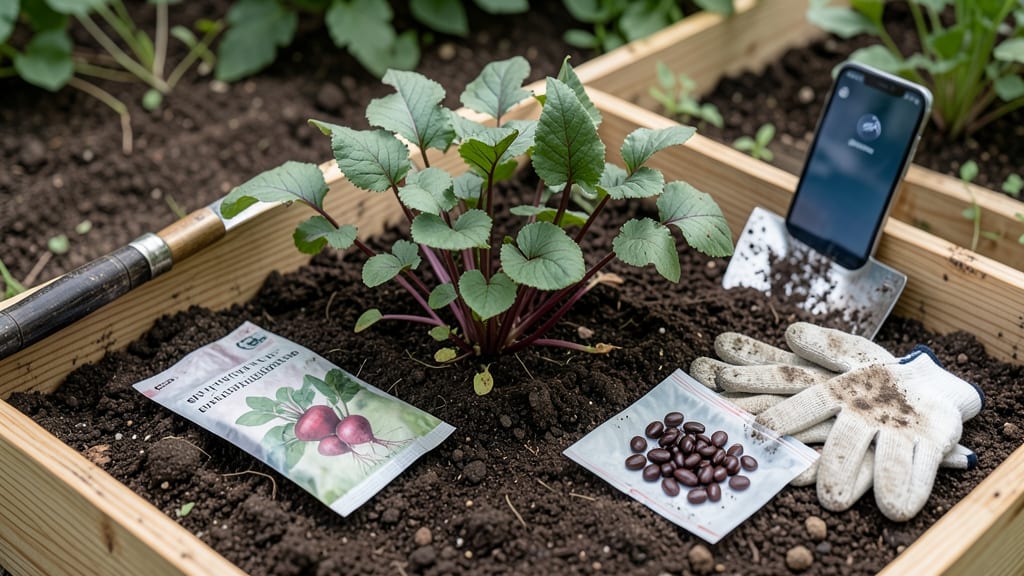
Timing your 🍠 beet planting in Utah wrong can mean the difference between sweet, tender roots and tough, woody messes—especially when frost sneaks in earlier than expected. If you’ve ever watched seeds sit stubbornly in cold soil or struggled with uneven germination, you know how frustrating it can be.
The key to success lies in understanding Utah’s unique climate zones, where soil temperatures can swing wildly between 5b-7b zones. Planting too early risks frost damage, while waiting too long might leave you scrambling for a fall harvest.
I’ll show you exactly when to sow seeds for fast germination—both in spring and late summer—so you can enjoy fresh beets from June through November.
Most gardeners in Utah focus on March-April planting, but there’s a second window in August-September that works surprisingly well if you time it right. We’ll break down soil temperature tricks, frost protection methods, and even which beet varieties grow fastest in your microclimate—because not all 🍠 beets are created equal.
Ready to stop guessing and start growing? Let’s dive into the perfect planting schedule that beats Utah’s unpredictable weather and gives you a steady harvest all season long.
Utah’s ideal beet planting windows by microclimate (soil temp guide)
Utah’s diverse microclimates—from the high desert of Salt Lake Valley to the cooler Wasatch Front and arid Southern Utah—create wildly different planting windows for beets. While most gardeners aim for March-April and August-September, your exact timing depends on soil temperatures and last frost dates.
Beets germinate best when soil reaches 40-70°F, but Utah’s alkaline soils often need extra attention to hit that sweet spot.
In USDA Zones 5b-7b, beets can tolerate light frosts, but prolonged cold snaps (28°F or below) will kill seedlings. My trick? Use a soil thermometer to confirm readiness—wait until morning soil temps hit 50°F for spring plantings.
For fall, aim to sow 8-10 weeks before first frost (typically mid-October in most areas).
Here’s how Utah’s three key regions differ in their ideal planting windows:
| Region | Spring Window | Soil Temp Threshold | Fall Window | Key Risk |
|---|---|---|---|---|
| Salt Lake Valley | Mid-March to early April | 50-60°F (use row covers if <50°F) | Late July to mid-August | Late spring frosts |
| Wasatch Front | Late March to early May | 45-55°F (cooler nights delay germination) | Early August to early September | Mountain cold snaps |
| Southern Utah (St. George) | February to early March | 60-70°F (hotter desert soil) | September to early October | Heat stress in summer |
For early spring plantings, I recommend starting seeds indoors 4-6 weeks before last frost (around February 15 for most Utah zones). Harden off seedlings for 7-10 days before transplanting to avoid shock.
In Southern Utah, where soil warms faster, you can even try January plantings under row covers for a head start.
Fall plantings are trickier—aim to harvest before first frost, which can arrive as early as October 15 in higher elevations. Use fast-maturing varieties (like ‘Detroit Dark Red’) to ensure a harvest before winter sets in. In St. George, extend your window with shade cloth during scorching afternoons.
Pro tip: Succession plant every 2 weeks in spring and fall to keep a steady supply. This works especially well in Utah’s short growing season, where you might only get 120-180 frost-free days depending on elevation.
Even in the best conditions, beets take 50-70 days to mature—don’t wait until May to plant!
If you’re in a high-altitude area (like Park City), consider cold frames to push your spring window back by 2-3 weeks. These create a microclimate that warms soil faster, giving you an edge over unpredictable frost dates.
Just monitor soil temps closely—beets won’t germinate well if soil stays below 40°F for too long.
Finally, don’t forget that beet greens are edible too! If your roots get woody or you’re dealing with bolting (common in hot Utah summers), harvest the greens instead. They’re packed with nutrients and add a nutty flavor to salads.
How to beat Utah’s alkaline soil and frost risks for faster beet growth
Utah’s alkaline soil and sudden frost risks can turn your beet seeds into a gamble—but smart soil prep and frost protection turn those challenges into opportunities.
I’ve learned that amending soil with compost and gypsum (to lower pH) and using row covers or cold frames can extend your planting window by 3-4 weeks. The key is starting seeds indoors or hardening off seedlings before transplanting them into warmed soil.
First, test your soil’s pH—Utah’s naturally alkaline conditions (pH 7.5-8.5) slow beet germination. Aim for a 6.0-7.0 pH by mixing in 2-3 inches of compost and a handful of gypsum per square foot.
Work these amendments into the top 6-8 inches of soil at least 2 weeks before planting to let them integrate. This small step can boost germination rates from 50% to 90%.
Avoid planting beets in cold, wet soil—temperatures below 40°F cause seeds to rot. Wait until soil reaches 45°F (use a soil thermometer) before sowing. If frost threatens after planting, cover seeds with straw mulch (3-4 inches thick) to insulate them.
For frost protection, I swear by floating row covers (like Reemay fabric) to shield young seedlings. These lightweight covers let sunlight and water through while trapping 5-8°F of heat. Install them at dusk and remove by 10 AM to prevent overheating.
In high-elevation areas (7,000+ ft), like Park City, use cold frames or low tunnels to create a microclimate that’s 10-15°F warmer than the surrounding air.
Hardening off seedlings is another game-changer. Start 1 week before transplanting by placing seedlings outdoors in partial shade for 2-3 hours daily, gradually increasing exposure. This toughens them up for Utah’s temperature swings—like 90°F days followed by 40°F nights.
For extra resilience, water seedlings with seaweed extract (1 tsp/gallon) 3 days before transplanting—it boosts their stress tolerance.
If you’re planting in late summer for a fall harvest, focus on succession planting every 2 weeks until mid-September. This ensures a steady supply of beets before the first frost.
For example, sow a batch on August 1st, another on August 15th, and a final one on September 1st. Use black plastic mulch to warm the soil faster and preserve moisture during Utah’s dry spells.
Finally, monitor your beets for bolting (premature flowering) caused by heat stress or drought30% shade cloth and water deeply twice weekly. Bolted beets still produce edible greens, but the roots become woody and bitter. With these tricks, you’ll turn Utah’s tough conditions into your beets’ superpowers!