
Plants
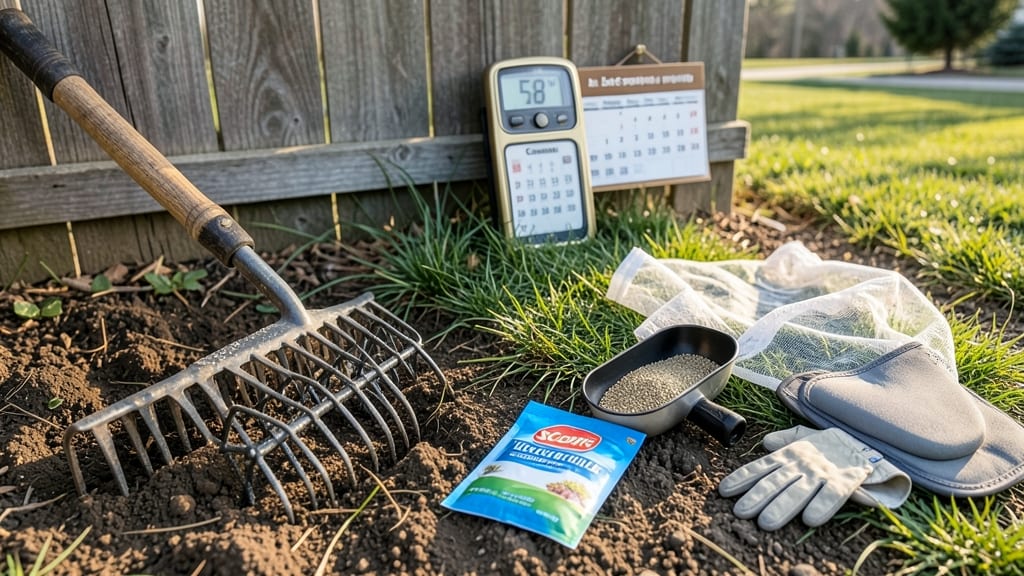
Planting your Wisconsin lawn at the wrong time can mean weeks of waiting for grass to take hold—or worse, watching it wither before summer even arrives.
The best time to plant grass in Wisconsin isn’t just about checking the calendar; it’s about reading your soil’s temperature cues to give those tiny seeds the fast start they need.
With Wisconsin’s 4a-6b climate zones, you’ve got two prime windows: early spring (April) or early fall (September). But here’s the catch—cool-season grasses like Kentucky bluegrass and tall fescue (the workhorses of WI lawns) need soil that’s warmed to 50-60°F to root deeply before summer’s heat and drought kick in.
Get this right, and you’ll skip the patchy, slow-growing frustration.
I’ve seen firsthand how a few degrees too cold or too warm can turn a best planting day into a gamble.
That’s why I’ll walk you through how to test your soil, pick the right grass type for your corner of the state, and even salvage a lawn project if Wisconsin’s famously fickle spring throws you a curveball.
Whether you’re seeding a new yard or repairing bare spots, timing is everything. Let’s dive into the science—and the shortcuts—that’ll get your 🌱 lawn thriving before you know it.
Wisconsin grass planting timeline: soil temperature rules for success
Timing your grass planting in Wisconsin isn’t just about avoiding frost—it’s about giving seeds the perfect soil temperature (50–60°F) for strong root establishment. Cool-season grasses like Kentucky bluegrass and tall fescue thrive when planted in early spring or early fall, but Wisconsin’s variable climate demands precision.
Spring planting should happen 4–6 weeks before your last frost date (typically mid-April in southern WI, early May in the north). This window ensures seeds germinate before summer heat stresses young roots. Fall planting, however, offers a second chance—aim for September when soil temps drop back to ideal levels.
Here’s the key: Soil temperature matters more than air temperature. Use a soil thermometer ($10 at garden centers) to check depths of 2–4 inches. If it’s below 50°F, wait—cold soil slows germination and invites disease.
Pro tip: Morning soil temps are 2–5°F cooler than afternoon readings, so test in the AM for accuracy.
Wisconsin’s USDA zones 4a–6b create microclimates where planting windows shift by weeks. For example, Milwaukee’s last frost is April 15, while Minneapolis’s can linger until May 1. Use the National Weather Service’s frost maps to pinpoint your local window, then back up 4–6 weeks.
Don’t overlook fall planting’s advantages: Cooler temps reduce weed competition, and established roots handle winter better. However, plant by October 15 in southern WI or September 20 in the north—seeds need 4–6 weeks to germinate before dormancy sets in.
🌱
If you miss the ideal window, don’t panic—late spring planting (May) can work, but it requires daily watering and shade cloth to protect seedlings from summer heat stress. For best results, prioritize soil prep (aeration, compost) and use a starter fertilizer with phosphorus to boost root growth.
Wisconsin’s northern counties (like Duluth) often face shorter growing seasons, so focus on fall planting there. In southern WI, where summers are hotter, spring planting gives grass a head start before drought conditions arrive by July.
Pro move: Mark your calendar for April 15 (southern WI) or May 1 (northern WI) as your primary planting deadline. Use a garden journal to track soil temps and germination dates—this data will help you refine timing for future lawns.
🌡️
Best grass seed varieties for Wisconsin’s climate and planting schedule
Wisconsin’s cool-season climate means most lawns thrive with cool-season grasses that handle winter dormancy and spring revival. The best varieties for your lawn depend on whether you’re in northern WI (USDA Zone 4a-5a) or southern WI (Zone 5b-6b), as well as your lawn’s sun exposure and foot traffic demands.
For northern Wisconsin, prioritize hardy cool-season grasses like tall fescue and perennial ryegrass, which tolerate colder winters and shorter growing seasons. Southern Wisconsin gardeners can opt for Kentucky bluegrass or fine fescue blends for a softer, more drought-resistant lawn.
Warm-season grasses like Bermuda grass or Zoysia are rare in Wisconsin but can work in sheltered microclimates like south-facing yards. These need warmer soil temps (70°F+) and struggle in northern WI winters, making them a high-risk choice unless you’re in Zone 6b.
For shady lawns (less than 4 hours of sun), fine fescue blends are your best bet—they thrive where Kentucky bluegrass or tall fescue struggle. If your yard gets full sun, mix tall fescue (70%) with perennial ryegrass (30%) for a fast-growing, durable lawn.
Pro tip: Check the seed label for cool-season grass percentages. A blend with 50%+ tall fescue is ideal for northern WI, while Kentucky bluegrass-dominant mixes work better in southern WI’s warmer microclimates. Always test your soil pH (ideal: 6.0-7.0) before planting to avoid nutrient deficiencies.
If you’re overseeding an existing lawn, choose perennial ryegrass for quick germination—it’ll fill gaps in 2-3 weeks while your Kentucky bluegrass or tall fescue recovers from winter.
For new lawns, tall fescue is my top pick for Wisconsin’s unpredictable springs—it’s drought-tolerant once established and handles foot traffic better than bluegrass.