
Companion Plants
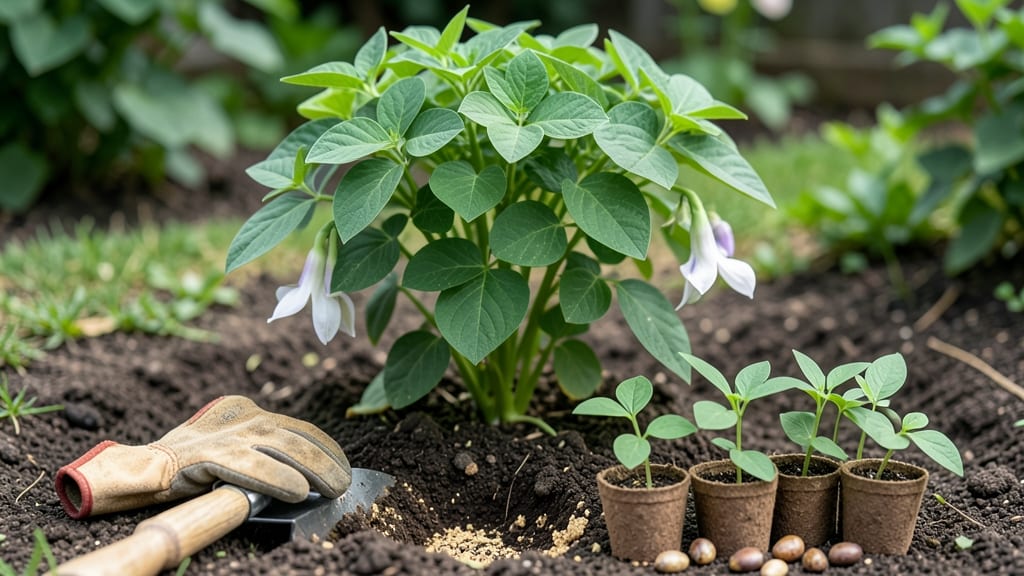
Planting beans in Pennsylvania at the wrong time can mean the difference between a thriving 🌱 harvest and wasted seeds—especially when soil temperatures are still too cool.
The key to fast germination and a bountiful crop lies in knowing exactly when to get those seeds in the ground, and it’s not just about avoiding frost.
Most gardeners in Pennsylvania’s 5a-7a zones wait until after the last frost date—typically around April 15—but that’s only half the battle. Beans need soil that’s warmed to at least 60°F to sprout reliably, and cooler spring days can delay germination for weeks.
If you plant too early, you’ll end up with slow starts and frustrated vines.
Here’s the game-changer: a simple trick to test soil temperature and a 3-step planting window that maximizes your harvest from July through September. Whether you’re growing bush beans or pole varieties, these insights will help you skip the guesswork and get a head start on your neighbors.
Let’s break down the exact timing, soil secrets, and regional adjustments that’ll ensure your beans pop up fast and keep producing all season—no more empty rows or last-minute regrets.
Best planting times for beans in Pennsylvania by region
Pennsylvania’s diverse climate—from the humid Southeast to the cooler Northwest—means your bean planting schedule should match your USDA zone and last frost date. Most gardeners aim for April 15 to June 1, but timing varies by region.
For example, Philadelphia (Zone 7a) can plant 2 weeks earlier than Erie (Zone 6a), where frosts linger longer.
Beans are warm-season crops that tolerate light frosts but struggle in cold soil. The key is waiting until the soil reaches 60°F—not just the air temperature.
In Pittsburgh (Zone 6b), this often means holding off until May 1, while Allentown (Zone 6a) may be ready by April 25.
Here’s how to align your planting with Pennsylvania’s three main regions:
| Region | USDA Zone | Last Frost Date | Optimal Planting Window | Soil Temp Goal |
|---|---|---|---|---|
| Southeast (e.g., Philadelphia) | 7a-7b | April 10-15 | April 20 - May 10 | 60°F+ |
| Central (e.g., Harrisburg) | 6b-7a | April 15-20 | May 1 - May 15 | 60°F+ |
| Northwest (e.g., Erie) | 5a-6a | May 1-5 | May 15 - June 1 | 65°F+ (warmer soil needed) |
For early varieties like Blue Lake Bush, plant 2 weeks before your region’s last frost. Late varieties (e.g., Kentucky Wonder) can go in until June 15—just be ready to harvest before first frost (typically October 15).
If you’re unsure about your last frost date, check the Penn State Extension or local cooperative weather station. These resources provide hyper-local data that’s far more accurate than generic zone maps.
Another trick? Plant bush beans (like Provider) first—they mature faster (50-55 days) and can handle slightly cooler soil than pole beans (which need 60°F+ and take 60-70 days). This staggered approach ensures a longer harvest window.
Don’t forget: Succession planting every 2 weeks after your first batch keeps your table stocked until September. Just adjust for heat tolerance—some varieties (like Black Valentine) handle 90°F+ better than others.
Finally, if you’re in Zone 5a (e.g., State College), consider row covers to plant 1-2 weeks earlier. They protect young seedlings from late frosts while letting soil warm faster.
Timing isn’t just about dates—it’s about soil warmth, variety choice, and local microclimates. Get these right, and you’ll avoid the heartbreak of failed germination or
Soil temperature secrets for faster bean germination
Beans are finicky about soil temperature—too cold, and they’ll sit in the dirt like stubborn sleepers. The sweet spot for germination is between 50°F and 90°F, but most varieties prefer 60°F–80°F for optimal speed.
If your soil is cooler than 50°F, seeds may rot instead of sprouting, wasting your time and effort.
Testing your soil’s warmth is easier than you think. A simple soil thermometer (just $10 at garden centers) gives you real-time data. Stick it 2 inches deep—that’s where your seeds will be—and check it in the morning.
If it’s below 60°F, your beans are in the danger zone. Waiting a few weeks for warmer soil can mean the difference between a thriving patch and a failed experiment.
If your soil is stubbornly cold, don’t despair. There are natural ways to warm it up without waiting for Mother Nature. Lay down black plastic mulch a week before planting—it absorbs sunlight and radiates heat into the soil.
Another trick? Plant near dark-colored rocks or bricks, which also soak up heat. Even a simple cloche or row cover can add a few critical degrees on chilly mornings.
Cold soil isn’t the only culprit—moisture matters too. Beans need consistent moisture to germinate, but soggy soil can drown seeds. Aim for 1 inch of water per week, delivered in the morning to let excess drain away.
If your soil feels like a sponge, mix in compost or sand to improve drainage before planting.
Once your soil hits that 60°F sweet spot, germination can happen in as little as 5–10 days. But if you’re still seeing no sprouts after 2 weeks, it’s time to troubleshoot.
Check for seed viability by soaking a few in water—if they sink, they’re good; if they float, they’re duds. Also, ensure seeds are planted 1–2 inches deep; deeper than that, and they may not have enough energy to break through.
Remember, patience is key—but so is preparation. By mastering soil temperature, you’ll turn your bean patch from a gamble into a guaranteed harvest. And when those first green shoots poke through the soil, you’ll know you’ve cracked the code. 🌱