
Plants
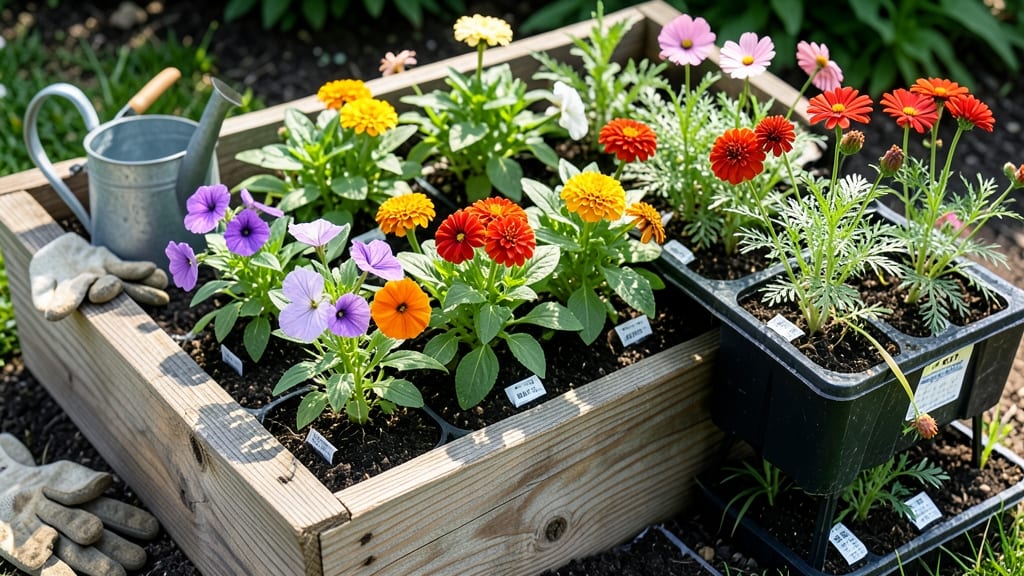
Timing your annuals planting in Connecticut can mean the difference between a vibrant summer garden and a frost-killed disappointment. With last spring frosts creeping from early May in coastal areas to mid-May inland, getting those seeds in the ground at the right moment is everything.
I’ve watched too many beautiful 🌱 annuals wilt because they were planted too early—only to learn the hard way that Connecticut’s microclimates demand precision. Whether you’re in the Hartford heat or the Litchfield Hills’ cooler air, knowing your exact frost-free window is the key to success.
In this guide, I’ll break down the perfect planting windows for your region, including soil temperature tricks and which annuals thrive in Connecticut’s short but sweet growing season. No more guessing—just lush blooms and bountiful harvests from June through October.
Ready to transform your garden? Let’s dive into the exact dates and techniques that’ll have your annuals flourishing all season long.
Connecticut planting zones & frost-free deadlines by region
Connecticut’s microclimates create dramatic differences in planting timelines—coastal areas like Groton can be weeks ahead of inland Litchfield County. Understanding your USDA zone (5b-6b) helps pinpoint the best frost-free window for annuals like marigolds or basil.
Below are the critical dates for Connecticut’s 5 key regions, based on 30-year averages.
Use these last frost dates as your guide for planting warm-season annuals after the soil warms to 50°F+. For cool-season crops like lettuce, start seeds 4-6 weeks before your last frost. Always verify with your local CT Agricultural Experiment Station for real-time updates.
🌱
| Region | USDA Zone | Avg. Last Spring Frost | Avg. First Fall Frost | Frost-Free Window | Best Planting Time |
|---|---|---|---|---|---|
| Coastal (Groton, New London) | 6a | April 20 - May 5 | October 15 - 25 | 170-180 days | May 10 - June 1 |
| Hartford Area (Middletown, Farmington) | 6b | May 1 - 15 | October 5 - 15 | 150-160 days | May 15 - May 30 |
| Western Hills (Torrington, Danbury) | 5b-6a | May 10 - 25 | September 25 - October 10 | 140-150 days | May 25 - June 10 |
| Litchfield County (Torrington, Washington) | 5b | May 15 - 30 | September 20 - October 5 | 130-140 days | June 1 - June 15 |
| Eastern CT (Willimantic, Norwich) | 6a | April 25 - May 10 | October 10 - 20 | 160-170 days | May 1 - May 15 |
Notice how coastal Connecticut enjoys a 2-3 week advantage over inland areas? This is why petunias or geraniums thrive earlier in New Haven than in Torrington. For vegetables like tomatoes, wait until soil temperatures hit 60°F+—even if frost risk drops.
Pro tip: Use row covers to push your spring planting window back by 2-3 weeks in colder zones. I’ve successfully planted basil in early May in Hartford using a lightweight cover, extending my harvest by 4 weeks.
For fall planting, aim to sow cool-season annuals like pansies or kale 6-8 weeks before your first frost. In Litchfield County, that means starting seeds by August 15 for a September-October display.
🌿
Always cross-check these dates with local weather forecasts. A late frost in May can wipe out tender seedlings, while an early September frost might cut your marigold season short. Keep a garden journal to track your region’s actual frost dates—they often differ from averages!
🌡️
Best annual flowers & vegetables to plant in each CT microclimate
Connecticut’s microclimates create perfect conditions for different annual flowers and vegetables. Coastal areas stay milder, while inland zones like Litchfield County experience earlier frosts. Matching your plants to your region ensures vibrant blooms and bountiful harvests all season.
For coastal CT (e.g., New Haven, Stamford), opt for heat-loving annuals like sunflowers and basil. These thrive in the extended frost-free window (May 15–October 15). Inland areas (e.g., Hartford, western hills) should prioritize cold-hardy varieties like snapdragons and lettuce to beat spring frosts.
Marigolds, Petunias, Zinnias, Basil, Okra
Plant May 15–June 1 for summer-long color and harvests.
Snapdragons, Pansies, Kale, Lettuce, Peas
Start April 15–May 1 with cold frames for early blooms.
Cosmos, Nasturtiums, Spinach, Radishes, Cilantro
Wait until May 10–June 1 to avoid late frosts.
Sweet Alyssum, Calendula, Swiss Chard, Bush Beans
Plant May 20–June 10 after soil warms to 55°F.
For continuous blooms, use succession planting. Sow fast-growing annuals like radishes or bush beans every 2 weeks from June to August. This keeps your garden productive until the first fall frost (late September to early October).
Don’t overlook fall plantings! Cool-season annuals like pansies and kale thrive in Connecticut’s mild autumns. Plant them August 1–September 15 for vibrant winter color. Just cover with row fabric if early frosts threaten.
Pro tip: Check the USDA Plant Hardiness Zone Map for your exact location. Even a 1-zone difference can shift your planting window by 2–3 weeks. Use the CT Agricultural Experiment Station’s frost alerts to fine-tune timing.
Experiment with unusual annuals like cleome or love-in-a-mist for texture contrast. These thrive in CT’s humid summers and add height to borders. Just ensure they get 6+ hours of sun to prevent leggy growth.