
Trees
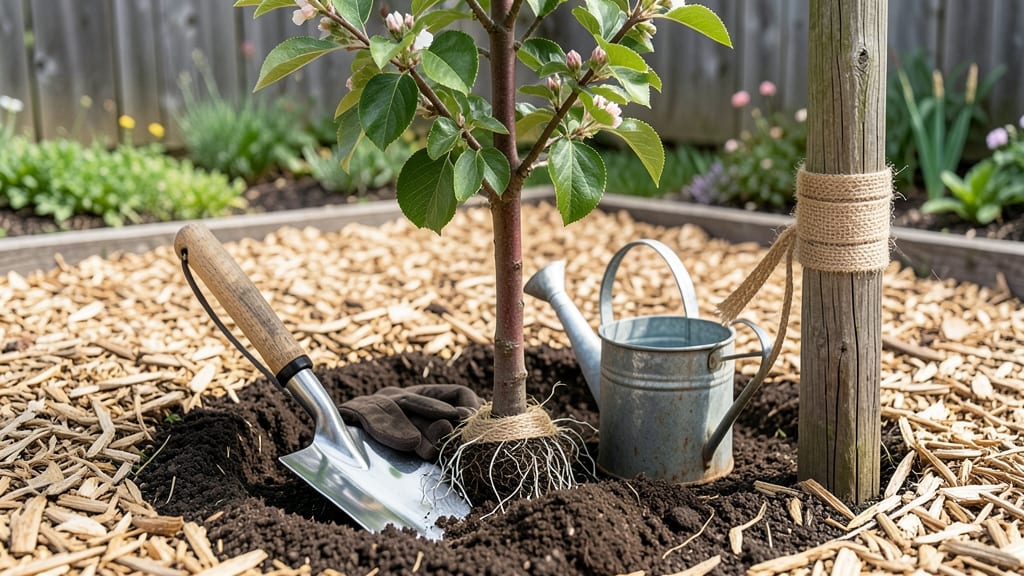
Timing your 🍎 Apple Tree planting in South Carolina isn’t just about the calendar—it’s about matching your variety to the state’s chill hours and frost-free deadlines. Plant too early, and your tree might struggle with winter cold; too late, and it won’t establish roots before summer heat hits.
The perfect window depends on whether you’re planting bare-root saplings or container-grown trees, and whether you’re in the Upstate’s cooler 7a zone or the warmer 8b coast.
Most gardeners in South Carolina swear by late winter to early spring (February–April) as the safest bet, but fall planting (October–November) works too—if you pick the right variety. For example, ‘Akane’ apples thrive in SC’s shorter chill seasons, while ‘Honeycrisp’ needs more cold exposure.
I’ll break down the exact frost-free dates by region so you never miss the critical planting window again.
Why does this matter? Because a well-timed planting means stronger roots, better fruit production, and fewer headaches with pests or diseases.
Whether you’re a first-time grower or a seasoned orchard keeper, knowing when to plant your 🍎 Apple Tree in South Carolina could mean the difference between a thriving tree and a sad, stunted one. Let’s get into the details so you can plant with confidence.
In this guide, you’ll discover the best varieties for SC’s climate, how to prep your soil for maximum growth, and the post-planting care secrets that keep your tree healthy year-round. Plus, I’ll share the common mistakes that trip up even experienced gardeners—so you can avoid them from day one.
South Carolina apple tree planting deadlines by frost zone & chill hours
South Carolina’s USDA zones 7a–8b create a unique challenge for apple growers: mild winters mean chill-hour requirements become critical. Most commercial varieties need 300–900 chill hours—a range that narrows your options if you’re in the coastal Pee Dee region (fewer chill hours) versus the Upstate mountains (more chill hours).
Timing your planting window is equally vital. Bare-root trees thrive when planted in late winter or early spring (February–March), while container-grown trees offer flexibility until April or even fall (October–November). Miss these deadlines, and your tree may struggle to establish roots before summer heat or winter frosts.
Here’s the regional breakdown you need to avoid common pitfalls like late frosts or insufficient winter dormancy:
| Region | USDA Zone | Last Frost Date | Best Planting Window | Chill Hours Needed | Recommended Varieties |
|---|---|---|---|---|---|
| Upstate (Greenville, Spartanburg) | 7a–7b | Mid-March | February 15–March 31 | 600–900 hours | 'Honeycrisp,' 'Akane,' 'Fuji' |
| Midlands (Columbia, Rock Hill) | 7b–8a | Late February–Early March | March 1–April 15 | 400–600 hours | 'Gala,' 'Red Delicious,' 'Golden Delicious' |
| Pee Dee (Florence, Myrtle Beach) | 8a–8b | Early February | March 15–April 30 (or Oct–Nov) | 300–400 hours | 'Anna,' 'Dorsett Golden' |
Notice how the Upstate’s chill hours allow for higher-demand varieties like 'Honeycrisp,' while the coastal Pee Dee must stick to low-chill varieties like 'Anna.' Planting outside these windows risks poor root establishment or failed fruit set due to insufficient winter dormancy.
For bare-root trees, aim to plant within 2–4 weeks of dormancy (typically February–March). Container-grown trees, however, can handle fall planting (October–November) as long as the soil isn’t frozen. This flexibility is a game-changer for SC gardeners who prefer fall prep over spring rushes.
One critical rule: Never plant apple trees in summer or extreme heat (June–August). The stress of transplanting + high temps = root shock and stunted growth. Even container-grown trees need a cool-season break to recover.
Pro tip: Use mulch (3–4 inches) after planting to insulate roots and retain moisture. In SC’s humid climate, mulch also reduces fungal risks like apple scab—a common issue for poorly timed plantings.
If you’re in Zone 8b (coastal areas), consider dwarf varieties like 'Anna' or 'Dorsett Golden.' They thrive with fewer chill hours and produce fruit faster, making them ideal for small spaces or container growing.
Finally, soil temperature matters just as much as air temperature. Wait until the soil is at least 45°F (7°C) before planting—colder soil slows root growth. Use a soil thermometer to check, especially in Upstate microclimates where nighttime frosts linger.
🌱
South Carolina apple tree planting deadlines by frost zone & chill hours
South Carolina’s diverse climate—spanning USDA zones 7a to 8b—means planting apple trees at the wrong time can spell disaster. The Upstate (Greenville, Spartanburg) has colder winters with 500–900 chill hours, while the Coastal Pee Dee (Florence, Myrtle Beach) sees milder winters with just 300–500 chill hours.
Choosing the wrong variety or timing can leave your tree struggling to fruit—or worse, dying from late frosts.
For bare-root trees, the ideal window is late winter to early spring (February–April), right before buds swell.
This gives roots time to establish before summer heat arrives. Container-grown trees, however, can be planted year-round (except extreme heat or cold), offering more flexibility for gardeners in zone 8b areas like Charleston.
Here’s the critical rule: Plant 4–6 weeks before your average last frost date. In the Upstate, that’s mid-March, while Coastal SC can push planting to April. Fall planting (October–November) also works but requires extra mulch to insulate roots during winter.
| Region | USDA Zone | Chill Hours Needed | Last Frost Date | Best Planting Window |
|---|---|---|---|---|
| Upstate (Greenville, Spartanburg) | 7a–7b | 500–900 | Mid-March | February 15–March 31 |
| Midlands (Columbia, Rock Hill) | 7b–8a | 400–600 | Late March | March 1–April 15 |
| Coastal Pee Dee (Florence, Myrtle Beach) | 8a–8b | 300–500 | Early April | March 15–April 30 |
⚠️ Pro Tip: Use ‘Anna’ or ‘Ein Shemer’ for low-chill zones (300–400 hours).
Chill hours are non-negotiable. A ‘Honeycrisp’ (700+ hours) planted in zone 8b will fail to fruit because it won’t get enough winter cold. Instead, opt for ‘Akane’ (400–500 hours) or ‘Red Delicious’ (500–600 hours) for Coastal SC. Always check the variety’s chill-hour range before buying!
One more critical tip: Soil temperature matters. Roots won’t grow well in frozen or waterlogged soil. Wait until the ground warms to 50°F (10°C)—use a soil thermometer if unsure. In the Upstate, this is usually by mid-February, while Coastal areas may wait until March.
Timing your planting right ensures your apple tree thrives in South Carolina’s humid summers and mild winters. Miss the window, and you risk stunted growth, poor fruit set, or even tree death.
Now that you know the deadlines, let’s dive into the best varieties for your zone and how to plant them for maximum success! 🌱