
Flowers
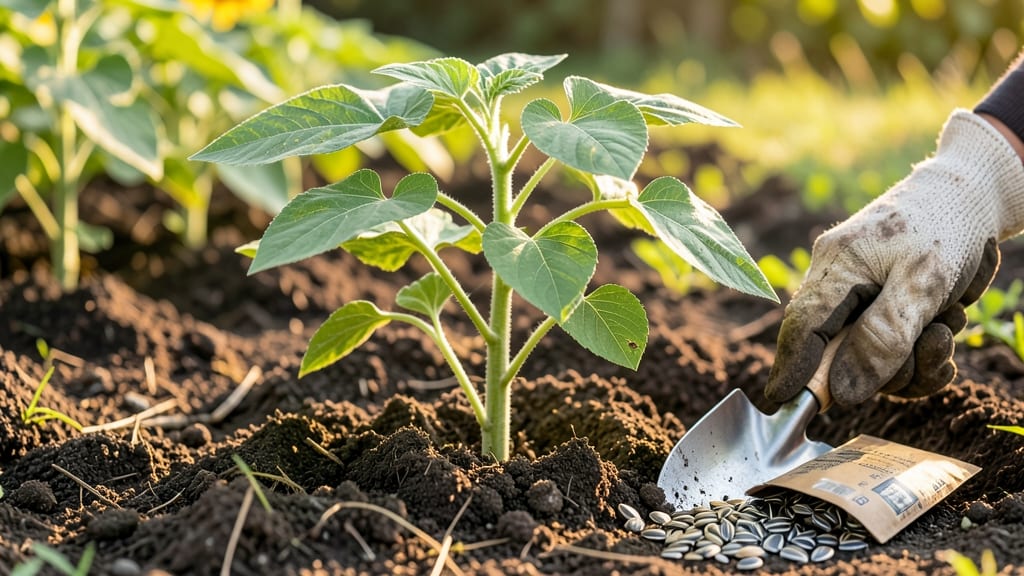
Planting sunflowers in Florida at the wrong time means watching them bolt in the heat or struggle through weak growth—neither of which ends with those towering 🌻 blooms you’re dreaming of.
The key lies in Florida’s unique frost-free windows and heat zones, where February through April and August through October create the perfect balance for sunflowers to thrive without wilting or freezing.
If you’ve ever planted sunflowers here and ended up with scraggly stems or flowers that faded too fast, you’re not alone.
Florida’s climate is tricky—too early, and you risk a late frost (yes, even in Zone 8a); too late, and the summer heat sends them into a frantic growth spurt that cuts their lifespan short. The solution? Timing your seeds with the soil temperature and your local microclimate.
I’ll walk you through the exact planting windows for North, Central, and South Florida, plus how to pick the right sunflower varieties for your heat zone.
Whether you’re growing them for cut flowers, seeds, or greens, these tips will help you avoid common mistakes and maximize your harvest—because nothing beats the joy of watching a sunflower reach its full potential under Florida’s endless sky.
Ready to turn your garden into a sunflower haven? Let’s dive into the best months to plant, how to prep your soil, and which varieties hold up best in the heat—so you can enjoy those golden blooms from May to November without the guesswork.
Florida’s best planting windows for sunflowers by heat Zone
Florida’s diverse climate—spanning USDA Zones 8a to 11—means sunflowers can thrive year-round, but timing matters. In North Florida (Zones 8a-9a), frost risks linger until late January, while South Florida (Zones 10a-11) enjoys frost-free growing seasons.
The key is planting when soil temperatures hit 55°F+ and avoiding extreme summer heat, which stresses young seedlings.
For spring planting, aim for February to April in most regions. This aligns with rising temperatures and longer daylight hours, giving sunflowers 60-90 days to mature before summer’s peak heat.
In South Florida (Zones 10a-11), you can even start as early as January for early blooms, but monitor for unexpected cold snaps.
Fall is your second chance—plant August to October for autumn harvests. This timing avoids the brutal summer heat while still providing enough daylight for robust growth. In North Florida, late August plantings may need shade cloth to protect seedlings from sudden heatwaves.
Pro Tip: Use Florida’s frost-free days as a guide. Most areas have 300+ frost-free days, but Zone 8a (e.g., Jacksonville) can see rare frosts until January 15. Wait until after this date to plant in these regions.
| Florida Region | USDA Zone | Best Planting Window | Key Consideration | Variety Tip |
|---|---|---|---|---|
| North Florida (e.g., Jacksonville, Gainesville) | 8a-9a | February–April (spring) or August–early October (fall) | Wait until after last frost (Jan 15) and use shade cloth in late summer | 'Teddy Bear' (dwarf, heat-tolerant) |
| Central Florida (e.g., Orlando, Tampa) | 9b-10a | January–April or August–October | Soil warms quickly; plant early for spring blooms | 'Mammoth' (tall, needs staking) |
| South Florida (e.g., Miami, Fort Lauderdale) | 10b-11 | Year-round, but February–April and August–October ideal | Watch for hurricane season (June–Nov); use windbreaks | 'Autumn Beauty' (color-changing, drought-resistant) |
| Panhandle (e.g., Pensacola, Tallahassee) | 8a-9a | March–April or September | Sandy soil; amend with compost for better moisture retention | 'ProCut' (commercial, fast-growing) |
If you’re growing sunflowers for seeds, prioritize spring plantings in North/Central Florida to avoid summer bolting (premature flowering). For cut flowers or greens, fall plantings in South Florida yield the best results, as cooler temps slow bolting and extend harvest windows.
For succession planting, sow new seeds every 2-3 weeks during your region’s ideal window. This ensures a continuous supply of blooms or seeds. For example, in Orlando (Zone 9b), stagger plantings from February to April for a summer-long harvest.
Always check your local frost dates using the Florida Climate Center or Old Farmer’s Almanac. Microclimates—like urban heat islands or coastal areas—can shift optimal planting times by 2-4 weeks. For instance, Miami’s frost-free season starts 3 months earlier than Gainesville’s.
Remember: Sunflowers are heat-tolerant but not heat-loving. Plant too late in summer, and seedlings may struggle in 90°F+ temps. Aim for 70-80°F soil temps at planting for best germination rates.
🌻
How to avoid common sunflower planting mistakes in Florida’s climate
Florida’s warm climate makes sunflowers seem like a no-brainer, but timing and soil prep can make or break your harvest. One common mistake is planting too early in spring—even in Zone 10 or 11, a late-winter cold snap (like the 2021 freeze) can stun young seedlings.
In North Florida (Zones 8a-9a), wait until mid-March to avoid frost damage.
Another pitfall? Ignoring soil temperature. Sunflowers need soil at 55°F or warmer to germinate. In South Florida, this means you can plant as early as February, but in Central Florida, hold off until late March.
Use a soil thermometer to check—if it’s cooler, wait a week or two.
Here’s the biggest mistake I see: planting sunflowers in late summer for a fall harvest. While possible, the intense heat in August-September can cause bolting (premature flowering) or stunted growth.
If you must plant late, choose heat-tolerant varieties like ‘Autumn Beauty’ and provide afternoon shade with a lightweight shade cloth.
For succession planting, space out seeds every 2-3 weeks in spring and every 3 weeks in fall. This ensures a continuous bloom and prevents overcrowding, which leads to pale, weak stems.
In South Florida, you can even squeeze in a winter crop (November-December) if you use row covers for light frost protection.
Finally, don’t skip soil amendments. Florida’s sandy or sandy-loam soil lacks organic matter. Mix in 2-3 inches of compost or well-rotted manure before planting. For container growing, use a lightweight potting mix with perlite to improve drainage—sunflowers hate waterlogged roots more than anything else.
By avoiding these 5 common mistakes, your sunflowers will bolt on schedule, reach their full height, and produce abundant seeds—even in Florida’s humid, unpredictable climate. 🌻