
Planting
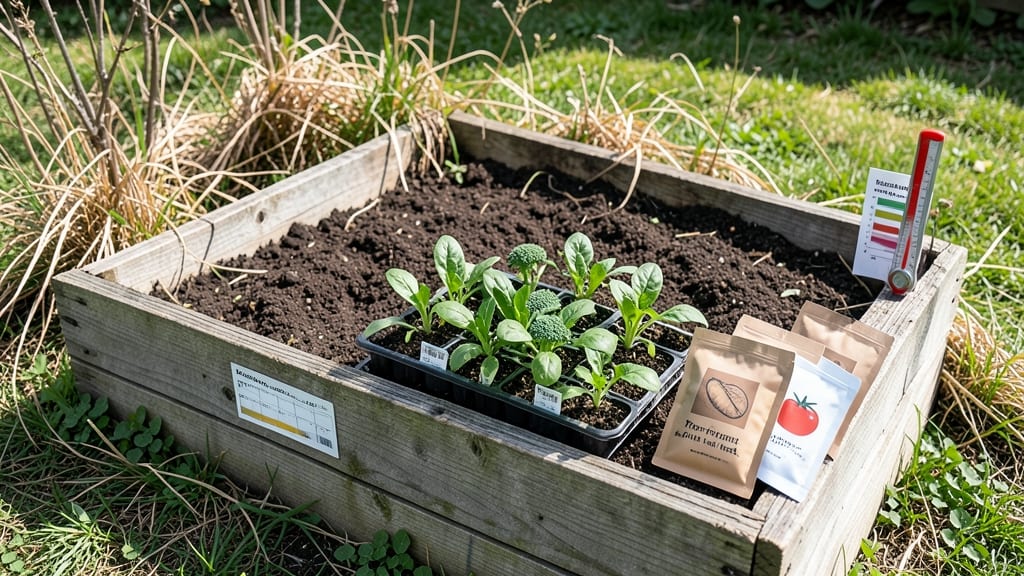
Planting your 🥕 vegetable garden in Ontario at the wrong time can mean the difference between a bountiful harvest and wasted effort. The last frost date isn’t just a number—it’s the secret to unlocking your garden’s full potential, especially in zones 5a-6b where temperatures swing wildly.
I’ve learned the hard way that rushing to plant warm-season crops like tomatoes too early can leave them wilted by frost, while waiting too long might cut your harvest short.
The key is knowing exactly when to start seeds indoors, prep your soil, and transplant outdoors based on your specific region.
In this guide, I’ll break down Ontario’s planting windows by month, from cool-season greens in early spring to late-summer crops that thrive before the first frost. You’ll discover how to stretch your growing season with simple tools and avoid common mistakes that even experienced gardeners make.
Ready to turn your garden into a productive powerhouse? Let’s dive into the frost-date secrets that will help you plant with confidence—no more guesswork, just maximum yield from your Ontario garden.
Ontario’s planting zones & last frost dates by region
Ontario’s diverse climate means last frost dates can vary by over 3 weeks between southern and northern regions. Knowing your planting zone (1-7) and local frost timelines is critical to avoid frost damage or missed harvests.
For example, Toronto’s last frost typically arrives by May 15, while Sault Ste. Marie may wait until June 10.
Use the Ontario Ministry of Agriculture’s interactive map to pinpoint your exact zone—most urban areas fall into Zone 5b-6a, while rural northern regions drop to Zone 3-4.
This tool also provides historical frost data for your specific neighborhood, accounting for microclimates like urban heat islands or lake-effect cooling near the Great Lakes.
Here’s how to use this data: Cold-hardy crops like peas and spinach can go in 2-4 weeks before your last frost date, while warm-season plants (tomatoes, peppers) need soil temps above 10°C (50°F)—usually 2 weeks after frost has passed.
My Zone 5b garden in Ottawa starts hardy greens in early April but waits until late May for tomatoes.
🌱
| Zone | Last Frost Date | First Frost Date | Key Crops for Early Planting | Zone Examples |
|---|---|---|---|---|
| Zone 1-2 | June 1-15 | September 15-October 1 | Peas, spinach, kale | Sault Ste. Marie, Timmins |
| Zone 3 | May 20-June 5 | September 10-September 30 | Radishes, lettuce, cabbage | North Bay, Sudbury |
| Zone 4 | May 10-20 | September 5-October 5 | Broccoli, carrots, peas | Barrie, Peterborough |
| Zone 5a | May 1-10 | September 20-October 10 | Potatoes, beets, onions | Ottawa, Kingston |
| Zone 5b | April 25-May 15 | September 25-October 15 | Tomatoes, peppers, cucumbers | Toronto, London, Hamilton |
| Zone 6a | April 15-25 | October 1-10 | Sweet corn, beans, melons | Niagara, Windsor |
🌡️ Pro Tip: Add 1-2 weeks to frost dates if your garden sits in a low-lying area or near water.
If you’re unsure about your exact zone, check the Canada Agriculture and Food Museum’s frost calendar or use the Old Farmer’s Almanac for 30-year averages.
I cross-reference these with my local weather station data to adjust planting dates—last year, my Zone 5b garden saw a late frost on May 22, delaying tomato planting by a week.
For northern Ontario gardeners (Zones 1-3), focus on short-season varieties like ‘Early Wonder’ peas or ‘Quickfire’ spinach, which mature in 45-50 days. Southern gardeners (Zones 5b-6a) can experiment with longer-season crops like ‘Brandywine’ tomatoes (85 days) by using row covers for early protection.
Remember: Soil temperature matters more than air temperature. Use a soil thermometer to confirm 10°C (50°F) for warm-season crops—cold soil slows germination. My Zone 5b soil often hits this mark by May 10, even if nighttime air temps dip below freezing.
🌿
Microclimates
Best planting calendar for Ontario vegetables: cool-season vs. warm-season crops
Ontario’s short but intense growing season demands precision—planting cool-season crops too late or warm-season crops too early can mean lost harvests. My month-by-month schedule aligns with Ontario’s last frost dates (typically mid-May) and first frost (mid-October), so you can maximize yields without guesswork.
For cool-season vegetables like spinach, peas, and kale, start seeds indoors in March or sow directly in early April—they thrive in 50-60°F soil and can handle light frosts.
Warm-season stars like tomatoes and peppers need soil temps above 60°F, so wait until after May 15 in most zones, or use row covers to jumpstart growth.
🌱
Pro tip: Use succession planting to stagger crops like lettuce or radishes every 2 weeks—this ensures a continuous harvest instead of one-time bounty. For example, sow bush beans every 3 weeks from late May to July to enjoy fresh pods all summer.
Avoid the rookie mistake of planting warm-season crops like cucumbers or squash before soil warms to 60°F. Test soil with a thermometer—if it’s cooler, opt for container gardening near your patio or use black plastic mulch to speed up warming.
For fall crops, start spinach and kale in early August to harvest before frost. Use row covers to extend harvests by 2-3 weeks in zones 5-6, protecting tender greens from early chills.
🌿