
Plants
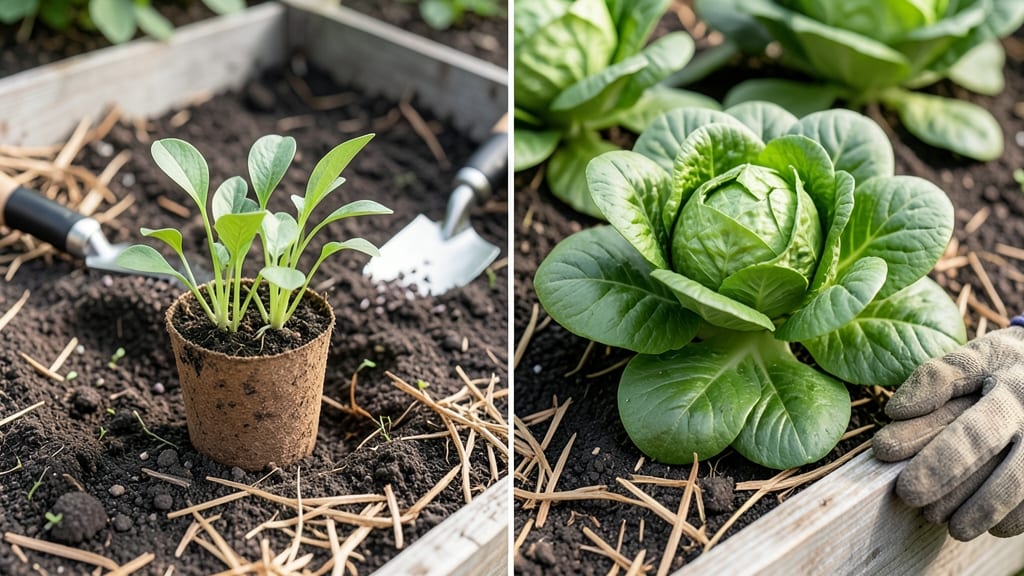
Planting lettuce in Texas might seem tricky with the brutal summer heat, but timing is everything to grow crisp, flavorful 🥬 all year. The key isn't just avoiding the hottest months—it's knowing exactly when to start seeds or transplants for fall and spring harvests that beat the heat.
Fall planting is your best bet, with September to October offering cooler temperatures and longer daylight. But don't stop there—spring planting in February to March can also yield success if you choose heat-tolerant varieties and provide shade.
The difference between a thriving garden and bolted greens often comes down to these precise windows.
Texas's diverse zones (8a-10b) mean your neighbors might have different success stories, but the principles stay the same: soil prep, shade solutions, and consistent watering. I'll walk you through the exact steps to extend your harvest season, even in the Lone Star State's challenging climate.
Ready to enjoy homegrown salads year-round? Let's dive into the heat-resistant varieties, soil tricks, and watering schedules that make Texas lettuce gardening not just possible, but rewarding.
Best planting times for lettuce in Texas by region (fall vs spring strategies)
Texas’s diverse climate means planting lettuce isn’t one-size-fits-all. In North Texas (USDA Zones 7b-8a), where winters can dip below freezing, your best window is September through October for fall harvests. Meanwhile, Central Texas (Zones 8a-8b) and South Texas (Zones 9a-10b) can extend planting into November due to milder winters.
Spring planting is a game-changer for Texas gardeners. While many avoid spring lettuce, February and March offer cooler temperatures perfect for heat-sensitive varieties. Urban gardeners in cities like Dallas or Houston may need to adjust by 1-2 weeks later due to heat islands, while rural areas can plant slightly earlier.
Timing isn’t just about months—it’s about soil temperature. Lettuce thrives when soil stays between 40°F and 75°F. In Texas, this often means planting when daytime highs hover around 80°F or cooler. Use a soil thermometer to check before sowing seeds.
For fall planting, aim to sow seeds 6-8 weeks before your area’s first frost. In North Texas, this typically means late August to early September, while South Texas can stretch it to October.
Spring plantings should go in 4-6 weeks before last frost, usually late January to early February.
Here’s where Texas’s regions diverge sharply. North Texas gardeners should prioritize September–October plantings, while South Texas can experiment with November–January sowings. Central Texas falls in between, with September and February–March as sweet spots.
| Region | Ideal Planting Window | Soil Temp Threshold | Microclimate Tip |
|---|---|---|---|
| North Texas (Zones 7b-8a) | September–October (fall) / February (spring) | 45°F–65°F | Use row covers for early spring |
| Central Texas (Zones 8a-8b) | August–October (fall) / February–March (spring) | 50°F–70°F | Shade cloth for summer sowings |
| South Texas (Zones 9a-10b) | September–November (fall) / January–February (spring) | 55°F–75°F | Extend season with drip irrigation |
| Urban Areas (e.g., Austin, Dallas) | Adjust by +1 week (heat islands) | Monitor soil temps closely | Prioritize shade and mulch |
Texas’s spring planting often gets overlooked, but it’s your secret weapon for avoiding summer bolting. Start seeds indoors in January and transplant outdoors in February for a head start. This method lets you harvest before temperatures climb past 85°F, which triggers bolting in most varieties.
For urban gardeners, container growing extends options. Use 5-gallon pots with shade cloth to plant lettuce in April or September, avoiding peak heat. Just ensure pots have drainage holes and use moisture-retentive potting mix to combat Texas’s drying winds.
Pro tip: Succession planting every 2 weeks in fall or spring keeps your harvest continuous. In Texas’s short growing windows, this means sowing new seeds while harvesting outer leaves from earlier plantings. It’s how I’ve enjoyed homegrown lettuce from November to March in my North Texas garden.
Remember, Texas’s first frost dates vary wildly. North Texas averages December 15, while South Texas rarely sees frost. Use local Cooperative Extension Service frost maps to fine-tune your schedule. With the right timing, you can turn Texas’s heat into a lettuce-growing advantage by focusing on cooler seasons.
Soil preparation & shade solutions to protect lettuce from Texas heat
Texas’s alkaline soil and intense heat can sabotage your lettuce before it even sprouts. To give your plants a fighting chance, start by testing your soil’s pH—aim for 6.0–7.0.
If your soil is too alkaline (common in Texas), amend it with compost or peat moss to create a more neutral environment for your lettuce roots.
Next, focus on heat retention and moisture conservation. Mix in 2–3 inches of organic mulch, like straw or shredded leaves, to keep soil temperatures stable and reduce evaporation. This simple step can mean the difference between a thriving garden and a wilted mess.
🌱
⚠️ Texas-Specific Warning: Alkaline Soil & Heat Stress
Texas soil is often highly alkaline (pH 7.5+), which locks out essential nutrients like iron and manganese—critical for lettuce growth. Without correction, your plants will yellow between veins (a classic deficiency sign) and struggle to thrive. Additionally, midday heat (above 85°F) triggers bolting (flowering) in most varieties, ruining your harvest.
🌡️ Solution: Test soil pH before planting. If above 7.0, add sulfur or compost to lower it. Pair with shade cloth (30–50%) during peak afternoon heat to delay bolting.
For extra protection, use shade solutions like row covers or lightweight fabric to block the harshest sunlight. I’ve had great success with floating row covers during September–March, which filter out up to 50% of sunlight while still allowing rain and air to reach the plants.
This keeps lettuce cool and crisp, even in North Texas’s unpredictable winters.
Watering is another critical factor. Lettuce needs consistent moisture, but overwatering in Texas’s heat can lead to fungal issues. Water deeply in the morning (before 10 AM) to give roots time to absorb moisture before the sun peaks.
Aim for 1–1.5 inches per week, adjusting for rain. A drip irrigation system is ideal—it delivers water directly to the roots without wetting the leaves, reducing disease risk.
Finally, consider succession planting in fall and spring to extend your harvest. Start with heat-tolerant varieties in early September, then follow up with cooler-season types as temperatures drop. This way, you’ll always have fresh lettuce, even when Texas’s weather feels like a rollercoaster.
With the right soil prep and shade strategies, your lettuce will stay crisp, flavorful, and bolting-free—no matter how hot it gets. 🌿